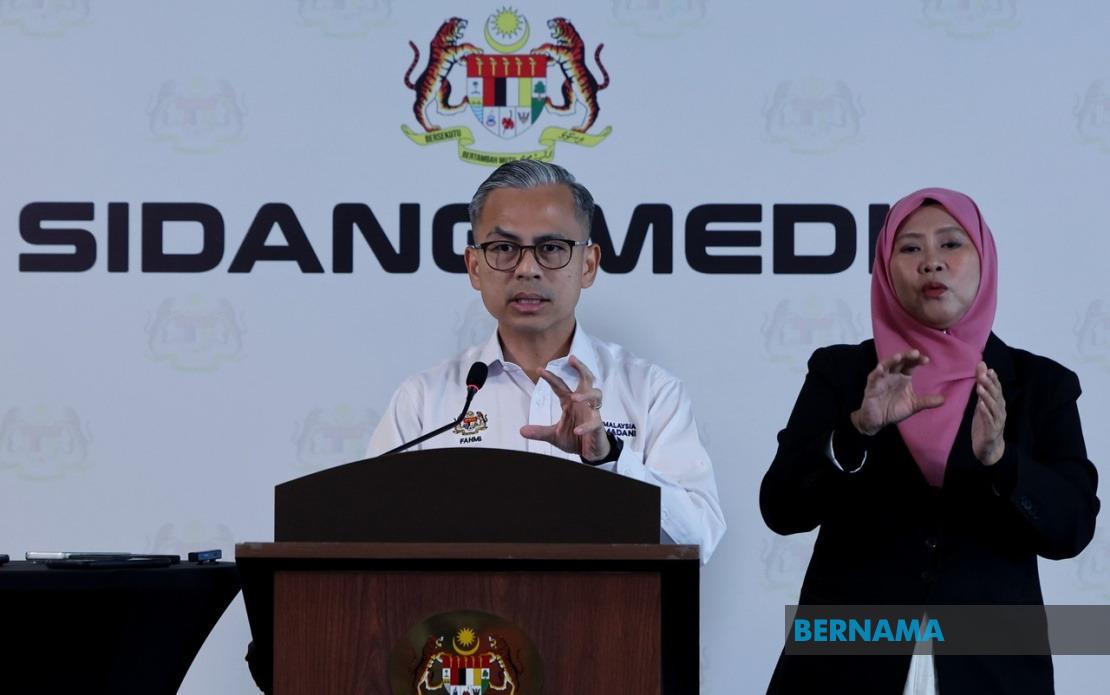
A significant contingent of Malaysian lawmakers is preparing to scrutinise the findings of a lengthy investigation into Tabung Haji's operations, with Communications Minister Datuk Seri Fahmi Fadzil confirming that between 35 and 40 Members of Parliament have expressed their eagerness to contribute to debate during a specially convened parliamentary sitting. The session, scheduled to commence on August 11, represents a rare opportunity for detailed legislative examination of a report that has raised troubling questions about governance and financial stewardship at the Islamic pilgrimage fund.
The Dewan Rakyat speaker Tan Sri Johari Abdul has consented to an extended sitting format that will proceed without scheduled breaks, permitting thorough discussion of the commission's conclusions. Prime Minister Datuk Seri Anwar Ibrahim previously outlined that proceedings would begin at 10 am and continue into the afternoon, underscoring the administration's commitment to allocating sufficient parliamentary time for comprehensive examination of the inquiry's outcome. Fahmi's disclosure at a weekly press briefing indicates growing parliamentary interest in holding institutions accountable for administrative lapses and investment decisions that have substantially eroded the fund's asset base.
The Royal Commission of Inquiry conducted a sweeping investigation into Tabung Haji's management spanning the 2014 to 2020 period, culminating in findings uploaded to the Department of Islamic Development Malaysia's official portal on July 29. The inquiry uncovered evidence suggesting systematic problems within the institution's investment decision-making framework, identifying transactions that merited closer forensic examination and documenting instances where information appeared to have been deliberately concealed from stakeholders and regulatory authorities. These discoveries have galvanised parliamentary concern and public interest in understanding how mismanagement occurred within an institution entrusted with managing savings belonging to millions of Malaysian Muslims.
Among the commission's most significant recommendations is a call for comprehensive forensic auditing of historical investment decisions that precipitated Tabung Haji's financial deterioration. This proposal acknowledges that ordinary accountability mechanisms may prove insufficient for unravelling the full extent of institutional failures and identifying individuals or groups responsible for problematic choices. The scope of the recommended forensic examination suggests the inquiry team harboured serious suspicions about the nature and motivation behind certain transactions, implying possibilities ranging from gross negligence to potentially criminal conduct warranting deeper investigation by law enforcement agencies.
The substantial number of lawmakers indicating their desire to participate in debate reflects broader public concern about governance standards in government-linked institutions. Tabung Haji occupies a particularly sensitive position within Malaysia's institutional landscape, serving as custodian of religious savings for a religiously significant purpose. When such institutions experience material deterioration in value, the implications extend beyond mere financial loss to encompass questions about national integrity, Muslim community trust in government stewardship, and the adequacy of oversight mechanisms for major institutions. The parliamentary debate will likely encompass demands for accountability, examination of regulatory failures, and discussion of preventative measures to ensure similar situations do not recur.
Public access to the debate assumes particular importance given the widespread interest in how Tabung Haji's difficulties emerged and whether those responsible face appropriate consequences. The government's decision to broadcast proceedings live through official media channels covering Dewan Rakyat activities reflects recognition that transparency serves both public interest and institutional legitimacy. Malaysian citizens who entrusted the fund with their savings deserve visibility into how their representatives address findings of institutional failure, enabling them to assess whether parliamentary scrutiny proves sufficiently rigorous and whether recommendations translate into meaningful reform.
The August 11 session will test parliamentary capacity to conduct detailed, probing examination of complex institutional failures. The participation of 35 to 40 MPs suggests a diverse cross-section of lawmakers from multiple political constituencies views the matter as warranting serious engagement. However, the quality of debate will ultimately depend upon whether contributions demonstrate substantive familiarity with the commission's detailed findings or devolve into partisan positioning. Observers will scrutinise whether parliamentary questioning adequately explores the commission's evidence regarding suspicious transactions and information concealment, or whether institutional dynamics constrain the depth of accountability discourse.
The RCI report's focus on the 2014 to 2020 period carries contemporary significance for evaluating institutional governance across Malaysia's broader public sector apparatus. If mechanisms permitting such deterioration operated within a major government-linked institution during this timeframe without triggering decisive intervention, questions naturally arise regarding oversight adequacy elsewhere. The parliamentary debate thus extends beyond Tabung Haji specifically to encompass systemic questions about institutional monitoring, internal governance structures, and the responsiveness of regulatory authorities to warning signals. Lawmakers may utilise the occasion to examine whether systemic vulnerabilities identified at Tabung Haji characterise other significant institutions requiring institutional strengthening.
Moving forward, the august sitting outcome will likely influence subsequent policy discussions regarding institutional reform within Tabung Haji itself and potentially inform broader governance enhancement initiatives across government-linked entities. The commission's recommendation for forensic auditing necessarily raises questions about resource allocation, investigative expertise, and whether existing law enforcement institutions possess capacity to conduct sufficiently sophisticated investigation of complex financial transactions. Parliamentary recommendations emerging from the debate could shape government response to accountability demands and determine whether reform initiatives prove cosmetic or fundamentally address institutional vulnerabilities that the commission's investigation revealed.

