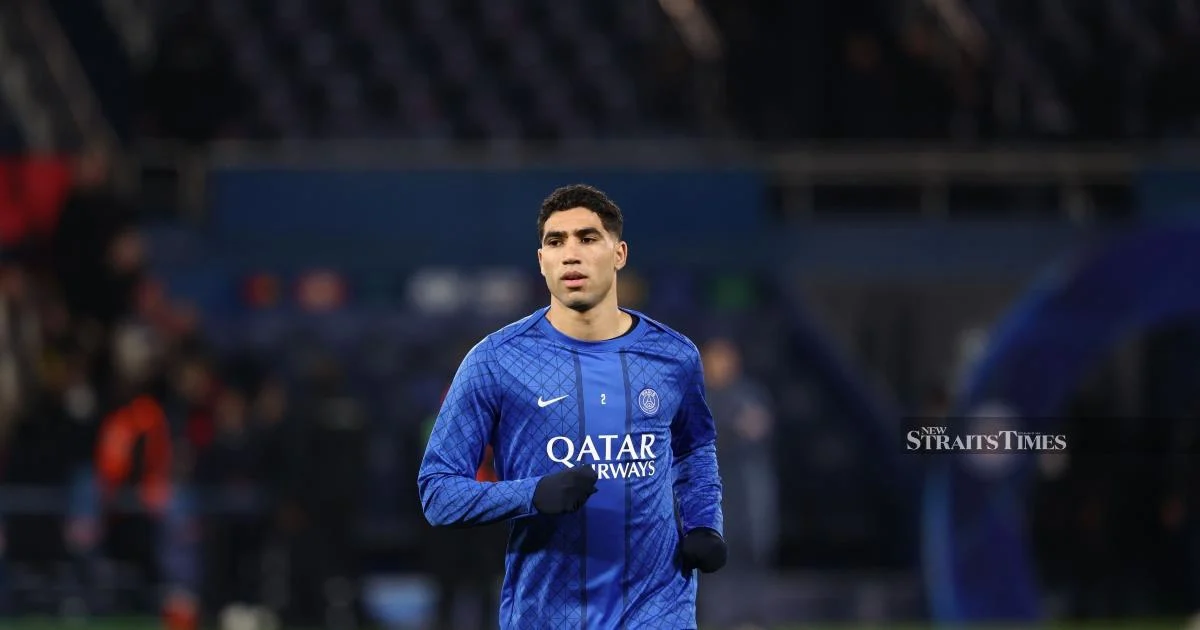
A French appeals court in Versailles has ruled that PSG defender Achraf Hakimi must face trial on rape charges, marking a pivotal moment in a case that has drawn international attention to questions of athlete accountability and the judicial process. The court's confirmation on Friday eliminates a potential path to dismissal and sets the stage for full proceedings against the Moroccan international.
Hakimi, who has represented Morocco at international level and is currently contracted to Paris Saint-Germain, has maintained his innocence throughout the investigation. The charges stem from allegations made by a woman, and the decision to proceed to trial indicates that French judicial authorities have determined sufficient evidence exists to warrant full court proceedings. The ruling does not establish guilt but rather confirms that the case meets legal thresholds for prosecution.
The French legal system's approach to this matter carries implications for how sports institutions and governing bodies address allegations against high-profile athletes. Hakimi's status as a prominent footballer competing at the highest levels of European football means the case extends beyond individual accountability to broader questions about governance and responsibility within professional sport. PSG has not made substantial public comment on the matter, though the club faces potential reputational and operational considerations as the process unfolds.
For Southeast Asian football communities, the case underscores an emerging global conversation about due process and athlete conduct. While Morocco and France remain geographically distant, professional football's interconnected nature means developments affecting elite players resonate across regions. Malaysian readers following the sport will recognize that scrutiny of footballer behaviour and the judicial systems that address allegations represents an evolving aspect of modern sport, one that reflects broader societal expectations of accountability.
The appeals court's confirmation suggests that investigating magistrates established sufficient grounds to pursue prosecution rather than issue a dismissal. In the French system, this represents a deliberate judicial step rather than a final determination of facts. The distinction between court confirmation that a case should proceed and actual guilt or innocence remains crucial to understanding the current stage of proceedings.
Hakimi's career trajectory adds another dimension to the unfolding situation. The defender has established himself as a significant player in European football, representing one of Africa's most competitive national teams and playing for one of world football's most prominent clubs. His professional standing and international profile ensure widespread media coverage and public interest in judicial proceedings that might otherwise remain confined to specialist legal reporting.
The decision comes as professional football continues navigating complex questions about player conduct, institutional responsibility, and the relationship between sporting bodies and national legal systems. Major clubs and football organizations face ongoing pressure to demonstrate commitment to safeguarding policies and ethical standards. Cases involving prominent athletes inevitably influence broader discussions about how sport addresses allegations and whether existing mechanisms adequately protect both complainants and the accused.
Morocco's football community and the wider North African sporting landscape will likely follow the proceedings closely. The country has produced numerous elite footballers now competing across Europe's top leagues, making judicial outcomes affecting Moroccan nationals matters of national sporting interest. How the case concludes may influence discussions within Moroccan football about player responsibilities and institutional obligations.
Looking forward, the trial will involve examining evidence, hearing testimony, and allowing Hakimi's legal team to mount a full defence. The confirmation of trial represents one procedural step among several that typically characterize French criminal proceedings. The actual trial will involve comprehensive judicial examination of claims and evidence, a process that customarily extends over several months.
For PSG and professional football more broadly, the case highlights the substantial risks posed by allegations against high-profile players. Clubs invest heavily in player recruitment and development, with athlete misconduct creating complex institutional challenges. The situation illustrates how legal proceedings occurring in national courts can substantially impact professional sporting operations and organizational reputations.
Sports observers across the region will likely monitor how this case develops, particularly regarding the balance between protecting alleged victims, ensuring fair legal processes, and navigating professional football's international dimensions. The Versailles court's confirmation that Hakimi must stand trial marks not a conclusion but rather the beginning of substantive legal proceedings that will unfold over an extended timeframe, with implications extending across professional football's global landscape.

