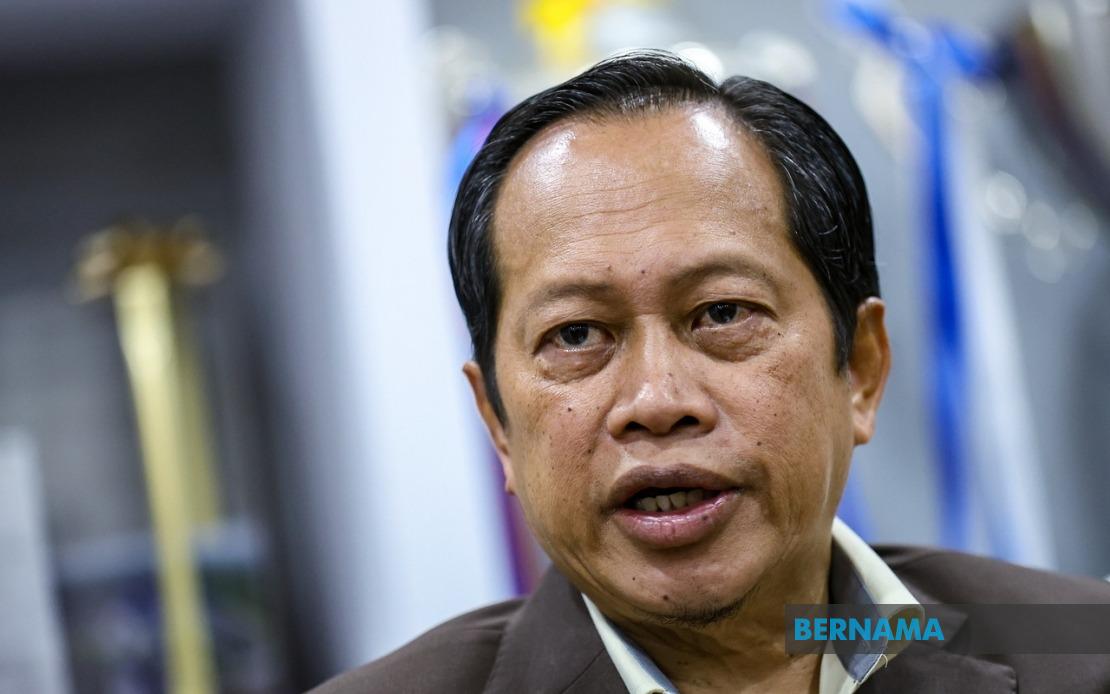
Datuk Seri Dr Ahmad Maslan has formally ended weeks of speculation about his political intentions by confirming he will not stand as a candidate in the upcoming Johor state election. The Johor Barisan Nasional deputy chairman made the announcement following a working visit to the state Public Works Department headquarters in Iskandar Puteri, clarifying that he has ruled out pursuing either the Benut or Pulai Sebatang state assembly seats, both located within his Pontian parliamentary constituency.
The decision represents a strategic shift for the senior politician, who doubles as Deputy Works Minister in the federal government. By stepping back from contesting at the state level, Ahmad Maslan appears to be prioritising his parliamentary responsibilities whilst maintaining his prominence within Johor's political landscape. His move carries particular significance given that state elections often absorb the energies of high-ranking figures, potentially affecting their federal duties.
Ahmad explained that he had already notified the party hierarchy of his intention to withdraw from the race, effectively removing himself from consideration months before the Election Commission set the official calendar. His statement reflects a deliberate choice rather than a reluctant withdrawal, positioning the decision as an opportunity for other party members to step forward. This approach demonstrates sensitivity to generational renewal within UMNO and BN structures, particularly important as the coalition seeks to revitalise its appeal ahead of critical electoral contests.
The timing of his withdrawal offers practical advantages for BN's campaign machinery in Johor. Rather than managing a high-profile candidacy that might divide attention or resources, party organisers can now focus on developing alternative candidates for Benut and Pulai Sebatang seats. Both constituencies fall under the Pontian parliamentary division, where Ahmad's influence remains substantial. His decision potentially prevents the kind of internal party jostling that sometimes complicates seat allocation exercises.
Ahmad's continued commitment to supporting BN's broader campaign objectives underscores the distinction between electoral contest and party unity. Despite not running himself, he intends to remain actively engaged in mobilising support for Barisan Nasional and UMNO across Johor during the campaign period. This backstage role often proves decisive in state elections, where senior figures can leverage networks, resources, and credibility to strengthen candidates' positions without directly competing.
The Johor state election framework, now formally set by the Election Commission, spans several weeks beginning with the nomination period on June 27. Voters will cast their ballots on July 11, with early voting scheduled for July 7. This timeline gives all parties approximately two weeks from the announcement of candidates to conduct their campaigns—a compressed schedule that emphasises the importance of strong party machinery and pre-existing ground organisations.
Ahmad Maslan's Pontian parliamentary seat remains secure under separate electoral arrangements. His constituency will not participate in the state election cycle, allowing him to concentrate on federal parliamentary duties and state-level party coordination simultaneously. This distinction between state and federal elections in Malaysia's federal system means that his parliamentary position provides a continuing platform for political influence independent of state assembly representation.
The broader implications for Johor BN warrant examination. The coalition faces mounting pressure to recover ground lost during recent electoral cycles, making seat allocation decisions critical. By voluntarily stepping aside, Ahmad Maslan removes potential complications from BN's candidate selection process and demonstrates commitment to party needs over personal advancement. Such gestures carry weight within traditional party hierarchies, particularly in UMNO's culture.
For UMNO specifically, Ahmad's decision reflects calculations about resource allocation and succession planning. Concentrating his efforts on parliamentary and ministerial roles positions him as a stabilising figure within federal politics whilst allowing state-level candidates to build independent profiles. This separation of spheres increasingly characterises Malaysian politics as parties attempt to manage multiple electoral levels simultaneously.
The regional context also shapes these electoral dynamics. Johor's political significance extends beyond its own 56 state assembly seats; the state frequently signals broader trends affecting national politics. A strong BN performance in Johor would strengthen Prime Minister's position ahead of eventual national elections, whilst conversely, a disappointing showing could embolden opposition coalitions and complicate federal coalition management.
Ahmad Maslan's announcement effectively concludes one dimension of Johor's pre-election phase, allowing campaigning to proceed with confirmed candidates and settled party arrangements. His willingness to prioritise party strategy over personal candidacy demonstrates the kind of internal discipline that BN requires if it intends to reverse recent electoral setbacks. How effectively the coalition deploys its senior figures' support for new candidates will substantially influence the June 27-July 11 campaign period.