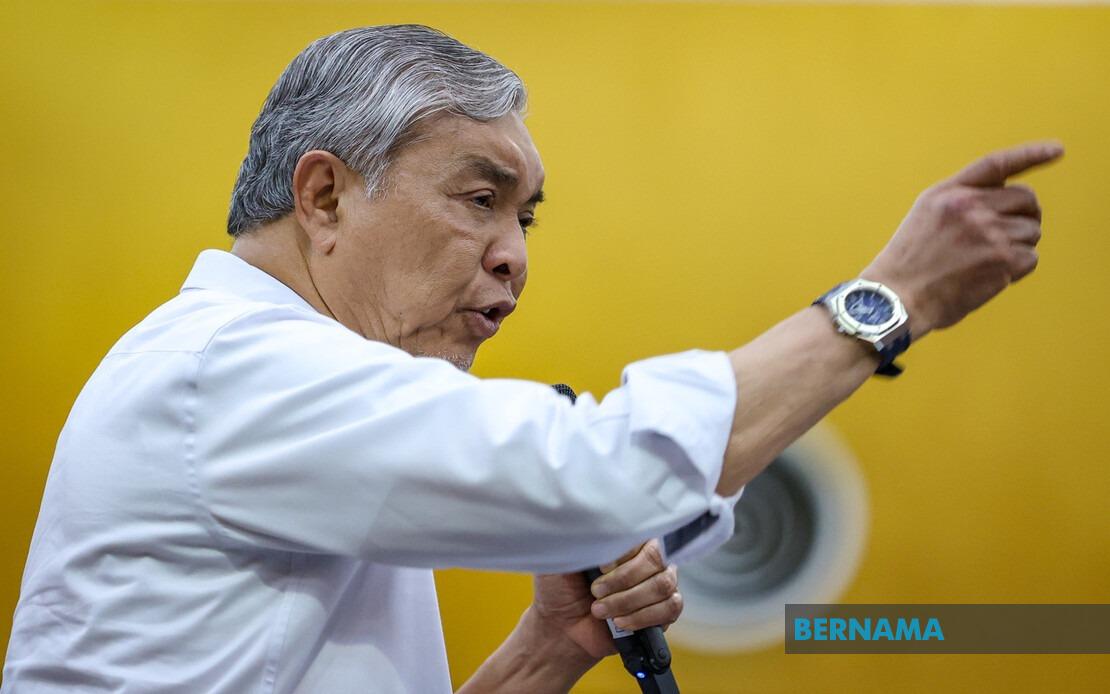
Deputy Prime Minister Datuk Seri Dr Ahmad Zahid Hamidi has put forward a proposal to strengthen the political literacy of Malaysia's emerging student leaders through structured educational programmes. Speaking in Johor Bahru on July 9, Ahmad Zahid, who also chairs Barisan Nasional, suggested that Student Representative Councils (MPP) at higher education institutions should participate in dedicated leadership and political courses designed to deepen their comprehension of democratic processes and the nation's evolving political environment. The initiative reflects growing concern among senior government figures about ensuring that the next generation of influential young Malaysians possess nuanced understanding of political affairs.
The rationale behind Ahmad Zahid's proposal centres on nurturing a more sophisticated cohort of youth leaders equipped to navigate contemporary national challenges. By exposing student council members to comprehensive political education, the government aims to foster critical thinking about governance, institutional frameworks, and policy-making processes. This approach acknowledges that student leaders occupy a unique position within universities—they serve as intermediaries between institutional management and the broader student body, making their political maturity particularly consequential for campus discourse and youth engagement with national affairs. Ahmad Zahid emphasised that such training would equip these young leaders with knowledge essential for contributing meaningfully to the nation's future political direction.
Crucially, Ahmad Zahid indicated that the government stands ready to finance these educational programmes should student councils across the country express interest in participating. However, he clarified that any such funding would require clearance from Higher Education Minister Datuk Seri Dr Zambry Abd Kadir, ensuring that the initiative aligns with broader higher education policy frameworks. This condition underscores the structured nature of the proposal and the coordination required between different government portfolios. The funding commitment signals official recognition that political education—particularly for leaders-in-training—constitutes a legitimate investment in national development and democratic governance.
Ahmad Zahid's framing of the proposal reveals a nuanced understanding of youth political engagement. He stressed that young Malaysians need not pursue active political involvement to derive value from political education. Rather, he contended, the critical imperative is that they remain informed about political developments and possess sufficient understanding to make deliberate choices when voting. Drawing on his own trajectory, Ahmad Zahid recounted how he became politically active during his student years at Universiti Malaya, illustrating how campus-based leadership experience can serve as a springboard for longer political careers. Yet he acknowledged that not every student leader will follow such a path, and this need not diminish the value of deepening their political awareness.
The timing of Ahmad Zahid's announcement carries particular significance given that Johor was preparing for state elections scheduled for Saturday, with 56 state seats contested. While the proposal itself applies nationally and focuses on longer-term youth development, the context of imminent polling underscores government interest in youth engagement more broadly. State elections provide a tangible testing ground for voter behaviour, including among first-time voters and younger constituents who represent a growing proportion of the electorate. The Deputy Prime Minister's remarks about ensuring young voters make informed electoral choices acquire heightened relevance during such periods of active democratic participation.
Ahmad Zahid placed particular emphasis on the importance of casting votes deliberately rather than squandering electoral opportunity. He argued that each ballot carries consequential weight in determining both political party leadership and broader policy direction. This messaging targets a specific concern among Malaysian political observers: that youth voter turnout and engagement remain inconsistent, with some younger Malaysians approaching electoral participation with insufficient seriousness. By advocating for political education, Ahmad Zahid attempts to address this through knowledge-building rather than exhortation alone, suggesting that informed understanding naturally leads to more responsible voting behaviour.
The proposal also reflects broader regional trends in Southeast Asia regarding youth political development. Several countries within the region have implemented similar initiatives recognising that demographic shifts toward younger electorates require corresponding efforts to ensure democratic participation remains robust and informed. Malaysia's own youth population is substantial, and their collective electoral impact continues to grow. Political education programmes targeted at student leaders represent a strategic approach to shaping youth attitudes toward democratic participation across a wider network than direct voter education alone could achieve.
Implementing such a programme would require careful curriculum design and delivery mechanisms. Courses would need to balance instruction in political theory, institutional structures, and democratic principles with practical examination of Malaysian political contexts and contemporary challenges. Content developers would need to ensure that material remains non-partisan despite government sponsorship, maintaining the educational objective distinct from partisan political recruitment. The involvement of multiple institutions and potentially external educational expertise could help ensure credibility and pedagogical quality.
For student councils specifically, participation in such programmes could enhance their legitimacy and effectiveness. Leaders with deeper understanding of political processes and governance frameworks would be better positioned to advocate effectively for student interests, navigate institutional bureaucracies, and model informed civic engagement for their peers. This could create positive feedback loops within universities, where student leadership becomes increasingly sophisticated and influential in shaping campus culture around democratic participation and political awareness.
The proposal also implicitly addresses concerns about political polarisation among youth. Rather than assuming young Malaysians will naturally develop balanced political perspectives, structured educational exposure provides systematic opportunity to encounter diverse viewpoints, historical context, and analytical frameworks. When delivered through university-level instruction, such programmes can leverage institutional credibility and faculty expertise to foster critical engagement rather than ideological entrenchment. For a country navigating contemporary political divisions, this preventative approach to youth political education represents a valuable investment in long-term democratic health.
Looking forward, the success of Ahmad Zahid's proposal will depend on how extensively student councils engage with the initiative and how effectively implementing institutions design and execute the programmes. Coordination across Higher Education Ministry, MPP representatives, and potential external partners will prove essential. Additionally, gathering feedback from participating student leaders about programme impact would help refine approaches and identify elements that most effectively achieve the objective of building more politically literate youth leadership. As Malaysia's electorate continues to include larger proportions of younger voters, such investments in political education among influential student leaders may yield returns well beyond the immediate campus environment.

