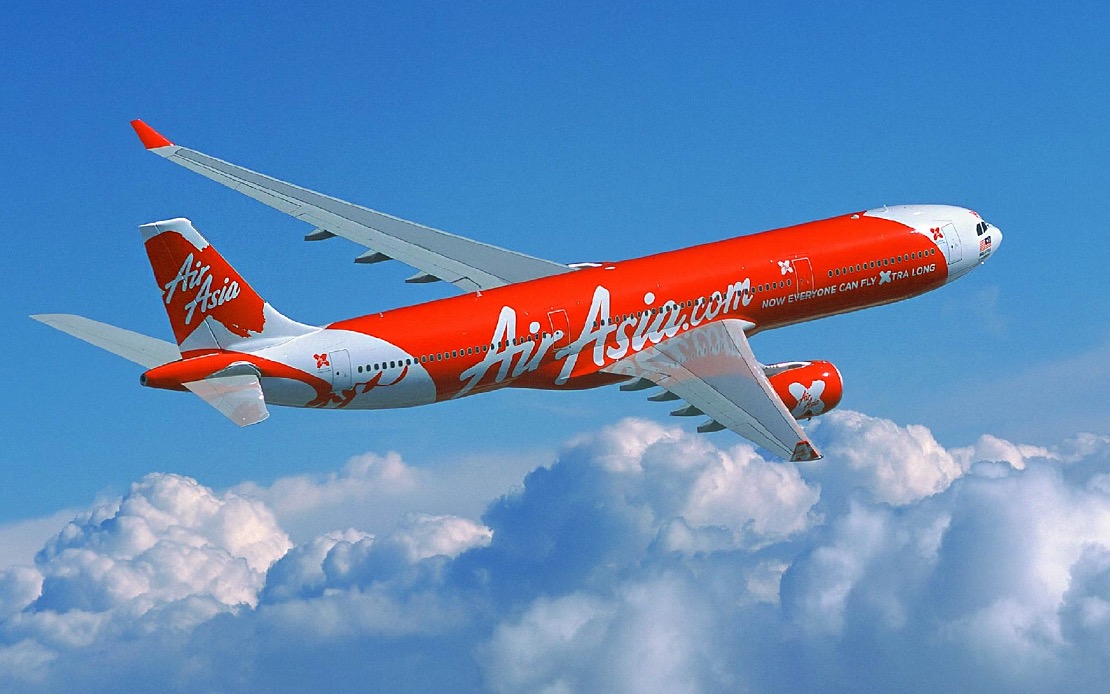
AirAsia has successfully inaugurated a direct flight service connecting Jakarta with Kota Bharu, marking a strategic expansion of regional air connectivity aimed at reinvigorating Kelantan's tourism sector ahead of the Visit Malaysia 2026 campaign. The inaugural flight, designated AK2354 and operated by a 180-seat Airbus A320 aircraft, touched down at Sultan Ismail Petra Airport on Tuesday afternoon carrying 117 passengers, predominantly from Indonesia, Thailand, the Philippines, and several other regional markets alongside Malaysian citizens.
The new route represents a calculated move to unlock untapped demand between two significant regional population centres. With a load factor of approximately 63 per cent on the maiden flight, the service demonstrates reasonable market appetite despite the typical softness of inaugural operations. This capacity utilisation suggests sufficient underlying demand to sustain regular operations, particularly as awareness of the route spreads among potential passengers in both markets who previously faced inconvenient connections or lengthy surface journeys.
Kelantan's strategic importance as a tourism destination centres on its distinct cultural and heritage offerings, which have long attracted visitors seeking authentic Southeast Asian experiences. Iconic attractions including Pasar Siti Khadijah, the historic Kampung Laut Mosque, Kampung Kraftangan's traditional craft village, and the newly developed Stong Geopark provide visitors with diverse experiences spanning traditional commerce, religious heritage, and natural wonders. The direct Jakarta connection dramatically simplifies access to these destinations for Indonesian travellers, eliminating the need for arduous overland routes or expensive connecting flights through Kuala Lumpur.
Beyond leisure tourism, stakeholders emphasise the route's potential to catalyse health tourism growth, a sector where Malaysia has cultivated significant competitive advantages. Indonesia's large, affluent middle class seeking specialised medical treatments, cosmetic procedures, and wellness services now possesses convenient access to Kelantan-based healthcare facilities and the wider East Coast medical ecosystem. This positioning of the East Coast as a medical tourism destination represents a promising revenue stream that complements traditional cultural attractions.
The service also functions as a critical transit hub for travellers exploring wider Southeast Asian itineraries. Passengers arriving from Jakarta can conveniently access southern Thailand's beaches, islands, and cultural sites, whilst also exploring the East Coast's resort islands and underdeveloped tourism potential. This hub functionality multiplies the route's value by generating secondary travel and accommodation demand across a broader geographic region rather than concentrating benefits solely within Kota Bharu itself.
Official tourism authorities emphasise that Indonesia constitutes a foundational source market for Malaysian tourism, representing both established visitation patterns and significant expansion potential. The direct service reduces friction in the travel process, addressing a persistent gap in Malaysia's regional connectivity. As of April 2026, Malaysia maintains 634 weekly flights to Indonesia with weekly capacity exceeding 114,800 seats, yet concentrated routing through Kuala Lumpur has historically constrained direct access to secondary Malaysian destinations including Kelantan.
AirAsia's expansion reflects the airline's strategic positioning as a connectivity facilitator for underserved destinations, enabling smaller regional hubs to access major metropolitan centres previously reachable only through larger gateway airports. This business model aligns with broader Southeast Asian economic trends favoring decentralisation and regional development beyond capital city-centric tourism. By connecting medium-sized cities directly, carriers can stimulate competitive dynamics that benefit consumers whilst distributing tourism revenues across wider geographic areas.
The Visit Malaysia 2026 campaign provides essential context for this route launch, representing a coordinated national effort to reverse post-pandemic tourism declines and establish Malaysia as a premier Southeast Asian destination. Regional connectivity initiatives like the Jakarta-Kota Bharu service constitute integral components of this broader strategy, demonstrating commitment to facilitating visitor access across Malaysia's diverse geography rather than concentrating arrivals in established corridors. The campaign's success hinges partly on such direct connections enabling visitors to explore destinations beyond standard itineraries.
Local economic implications extend substantially beyond aviation revenues alone. Increased visitor arrivals generate demand for accommodation, food services, handicrafts, guided tours, and transportation within Kelantan, distributing tourism benefits throughout local communities and small enterprises. This dispersal effect proves particularly valuable in regions where tourism infrastructure remains developing, as new visitor demand stimulates entrepreneurship and employment across service sectors.
Demographic trends in Indonesia favour expanding regional travel, with rising disposable incomes, increasing middle-class populations, and growing preferences for short-haul leisure travel within Southeast Asia. Direct flights significantly enhance market accessibility by reducing total travel time and associated costs, potentially converting price-sensitive segments into viable customer bases. The 63 per cent load factor on day one likely understates the route's sustainable potential as market awareness develops.
Cultural exchange dimensions extend beyond economic metrics, fostering people-to-people connections that strengthen bilateral relationships and regional stability. Indonesian visitors experiencing Kelantan's distinctive cultural landscape develop deeper appreciation for Malaysian diversity, whilst Malaysian hosts gain exposure to Indonesian perspectives, creating mutual understanding foundations that transcend commercial transactions.
However, sustaining the route's viability requires continuous attention to demand stimulation, marketing effectiveness, and service reliability. AirAsia's experience operating numerous regional routes demonstrates understanding of these requirements, though competitive pressures and seasonal demand fluctuations necessitate adaptive capacity management. The airline's commitment to connecting underserved destinations suggests confidence in long-term viability, indicating management's assessment that sufficient latent demand exists to support regular operations.
The Jakarta-Kota Bharu service exemplifies how targeted air route expansion complements national tourism strategies whilst addressing regional connectivity gaps. Its success could catalyse additional direct service launches connecting Indonesia and other Southeast Asian markets with Malaysian secondary cities, progressively integrating Kelantan and the East Coast into regional aviation networks and tourism circuits.

