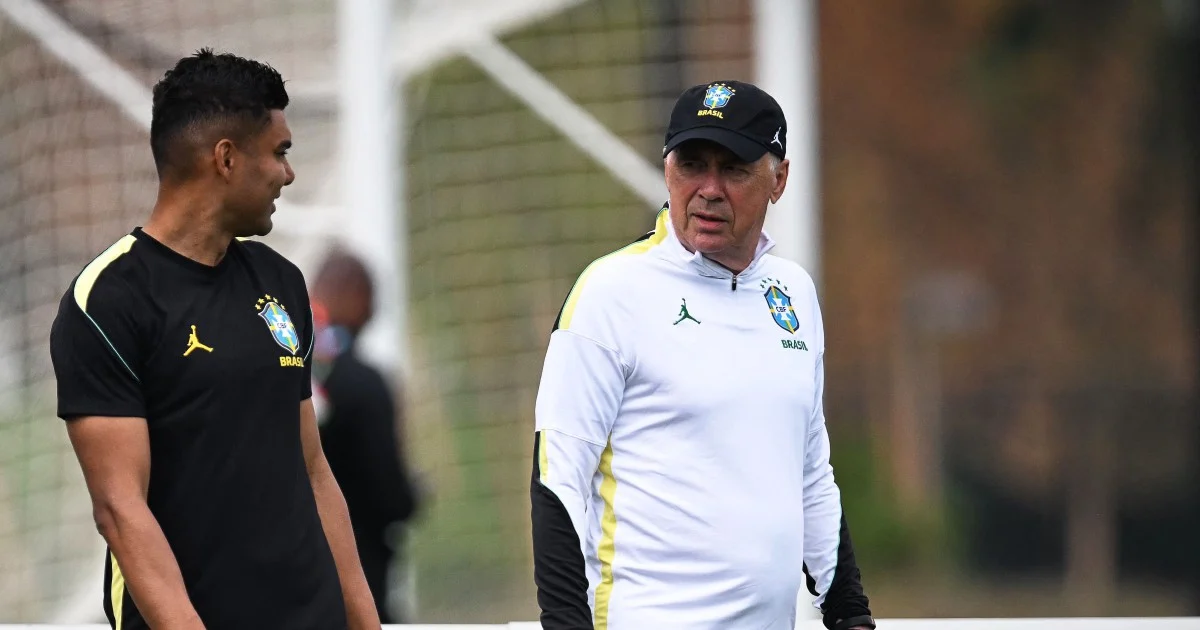
Brazil's World Cup campaign began with an unexpectedly shaky performance that left observers questioning whether the South American powerhouse could deliver the attacking flair expected of them. Carlo Ancelotti, however, has resisted succumbing to the post-match hysteria that typically grips football commentators after an underwhelming opening result. Speaking ahead of Friday's Group C encounter with Haiti in Philadelphia, the Italian manager struck a tone of measured composure rather than alarm, framing the immediate challenge as an ideal opportunity to address the tactical vulnerabilities that became apparent during the 1-1 stalemate with Morocco.
Ancelotti's calm demeanour reflects both his vast experience navigating tournament football and a pragmatic understanding of modern international competition. The draw against Morocco, while falling short of the emphatic statement Brazil hoped to make, provided crucial diagnostic information about his squad's current strengths and deficiencies. Rather than viewing the result as catastrophic, Ancelotti appeared intent on treating it as valuable feedback that could inform tactical adjustments and personnel decisions in the days ahead. This philosophy stands in contrast to the reactionary hand-wringing that sometimes afflicts even traditionally dominant football nations after opening stumbles.
The Brazil versus Haiti fixture presents a markedly different proposition from the technical and defensive rigour that Morocco demonstrated. Haiti, competing at their second World Cup appearance, would be expected to offer less resistance in possession-based scenarios, potentially allowing Brazil greater scope to impose their preferred tempo and attacking patterns. For Ancelotti, this represents an ideal laboratory in which to experiment with solutions to the problems that surfaced against the North Africans, whether those relate to creative transition play, defensive set-piece vulnerability, or the coordination between midfield and attacking units.
Ancelotti's reputation as one of football's most cerebral tactical minds carries particular weight in this context. His previous successes at elite European clubs have been predicated largely on the ability to extract maximum value from talent during high-pressure tournaments where margins for error are minimal. The Brazil position, despite the absence of Neymar due to injury, still presents a squad of considerable technical depth—though clearly one that requires proper orchestration to function optimally. The coach's refusal to panic suggests confidence in his capacity to unlock this potential, even if the opening match suggested there remains work to do.
For Malaysian and Southeast Asian observers, Brazil's trajectory in this tournament carries relevance beyond mere sporting interest. As a traditional football powerhouse undergoing a transitional period, Brazil's success or failure in calibrating their squad for modern international football offers lessons for regional teams aspiring toward competitive advancement. The approach Ancelotti exemplifies—methodical analysis rather than panic-driven overhauls—represents a model of sophisticated football management that transcends geographical boundaries.
The broader Group C context adds strategic dimensionality to Friday's encounter. While Haiti must be considered significant underdogs in any World Cup fixture, the group also contains Morocco, who have demonstrated their capacity to frustrate even talented opposition. A large victory against Haiti would substantially improve Brazil's goal difference and provide psychological momentum heading into the remaining group stages. For Ancelotti, the challenge lies in achieving such emphatic victory while simultaneously conducting the tactical refinements necessary to compete more effectively against teams capable of sustained defensive organization.
International football at World Cup level has evolved considerably in recent years, with defensive sophistication and compact tactical shapes increasingly neutralizing the attacking dominance that once defined elite football nations. Brazil, despite possessing gifted individuals capable of moments of technical brilliance, must learn to break down organized defences through systematic buildup play and positional intelligence rather than relying solely on individual flair. The Haiti match offers an opportunity to develop such patterns against opponents unlikely to maintain the same disciplined shape as Morocco.
Ancelotti's managerial background includes extensive exposure to European football's most demanding environments, where tactical nuance and systematic organization typically outweigh raw talent in determining tournament outcomes. This experience likely informs his measured response to an opening setback that, while disappointing, hardly constitutes a terminal blow to Brazil's campaign. Professional football management at this level demands the ability to separate transient performance fluctuations from genuine structural problems—a distinction Ancelotti appears equipped to make.
The questions that will determine Brazil's success—whether they can sustain attacking pressure while maintaining defensive organization, whether they can create clear opportunities against disciplined defensive blocks, whether creative midfielders can find consistent service to advanced attacking players—remain to be definitively answered. Friday's Group C meeting with Haiti in Philadelphia will provide more evidence, though it is unlikely to offer conclusive answers given the fundamental competitive imbalance between the two sides. Ancelotti's calm demeanour suggests he recognizes the longer narrative arc that international tournaments represent, where opening matches, regardless of their outcome, rarely predetermine final destiny.

