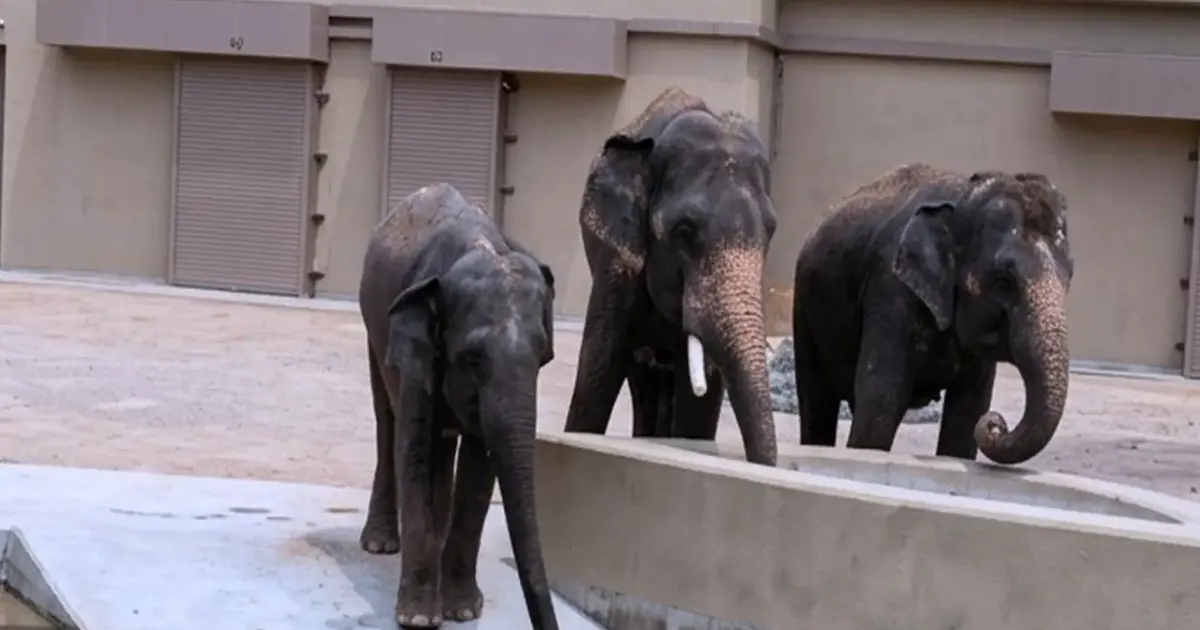
An animal welfare advocacy group has escalated concerns over the recent transfer of elephants from Malaysia to Japan by formally requesting the Royal Malaysia Police to launch a dedicated investigation through its Bukit Aman headquarters. Peka, a prominent Malaysian NGO focused on animal protection, has alleged that documentation irregularities surround the shipment and raised fundamental questions about whether the entire transaction satisfied Malaysian legal requirements and international treaty obligations binding the country.
The organisation's call for a formal police task force represents a significant step in scrutinising cross-border animal transfers, an area where transparency and regulatory oversight have historically been inconsistent. By escalating the matter to federal police authorities rather than relying on existing departmental reviews, Peka appears to be signalling that the complexity and potential seriousness of the issues warrant dedicated investigative resources and powers. Such moves reflect growing international attention to how countries manage wildlife exports, particularly when large, intelligent animals with significant welfare needs are involved.
At the heart of Peka's concerns lies a series of alleged discrepancies within the shipping documentation accompanying the elephants. While the organisation has not publicly detailed every specific irregularity, such concerns typically relate to inconsistencies between official export permits, veterinary health certificates, transport manifests, and receiving documentation. Documentation mismatches can indicate inadequate oversight at departure, potential falsification of records, or failure to follow proper regulatory channels—all of which carry legal consequences and animal welfare implications. The alleged gaps suggest that documents may not accurately reflect the animals' conditions, origins, or intended use.
Beyond procedural documentation issues, Peka's inquiry also extends to substantive legal compliance questions. Malaysia operates under a patchwork of wildlife protection legislation, primarily the Wildlife Protection Ordinance in Sabah and Sarawak and the Wildlife Protection Act 2010 at federal level. These statutes establish conditions for wildlife capture, holding, and export, typically requiring government permits demonstrating that such transfers serve legitimate scientific, conservation, or breeding purposes and do not harm wild populations. Peka's implicit suggestion is that the elephant transfer may have proceeded without satisfying these foundational legal prerequisites.
International treaty obligations add another layer to the investigation's potential scope. Malaysia is a signatory to the Convention on International Trade in Endangered Species of Wild Fauna and Flora (CITES), which regulates cross-border movement of protected wildlife. Asian elephants, classified under CITES Appendix I, are among the world's most restricted species for international commerce. Any legitimate transfer requires CITES permits from both exporting and importing countries, issued only after confirmation that the shipment will not detrimentally affect wild populations and meets strict animal welfare standards. Whether the Japan transfer obtained proper CITES authorisation remains a question Peka evidently believes warrants formal investigation.
The Malaysia-Japan elephant transfer also intersects with broader Southeast Asian concerns about wildlife trafficking and resource governance. The region has become a focal point for illegal and quasi-legal wildlife movements, with organised networks exploiting regulatory gaps and documentation vulnerabilities to shift protected animals across borders. While this particular case appears to involve official channels rather than clandestine smuggling, the alleged discrepancies Peka highlights suggest that regulatory controls may have been insufficient. A police investigation could establish whether systemic weaknesses existed or whether this represented an isolated instance of procedural failure.
For Malaysia specifically, the matter carries reputational implications within international conservation circles. The country positions itself as an environmental steward and participates actively in global wildlife protection discussions. Credible allegations of inadequately supervised animal transfers undermine that standing and invite foreign scrutiny of other Malaysian wildlife management decisions. Japan, as a developed nation with stringent import regulations, would presumably have conducted its own due diligence before accepting the elephants, yet the apparent documentary issues suggest that verification may have been incomplete on one or both sides.
The role of Bukit Aman in any investigation is notable. As the federal police headquarters, Bukit Aman coordinates major investigations involving potential federal crimes or complex cases requiring resources beyond state police capacity. That Peka specifically requested involvement at this level suggests the organisation views the matter as potentially involving criminal conduct—such as falsification of documents or unauthorised wildlife trafficking—rather than merely administrative oversights. Police investigation would grant access to full records, witness interviews, and forensic document analysis that departmental reviews might not undertake.
Elemental to understanding Peka's initiative is the precedent it may establish for animal welfare oversight in Malaysia. If the NGO successfully prompts official investigation into this single transfer, it may embolden further scrutiny of other wildlife movements and encourage authorities to take documentary irregularities and treaty compliance more seriously. Conversely, if the investigation concludes with minimal findings, it could signal that the regulatory bar remains relatively low for wildlife exporters operating through official channels.
The investigation's eventual scope will likely determine both immediate and longer-term consequences. A narrow inquiry focused solely on documentation would be relatively quick and limited in implications. A broader investigation examining the elephants' welfare during transport, the legitimacy of their capture in Malaysia, the appropriateness of their destination use in Japan, and systemic regulatory failures would have far more substantial ramifications for Malaysian wildlife policy and institutional practices. Peka's call for task force involvement suggests the organisation hopes for the latter approach, reflecting confidence that detailed scrutiny will vindicate its concerns about the transfer's legality and ethical standing.

