%22%2F%3E%3C%2Fpattern%3E%3C%2Fdefs%3E%3Crect%20width%3D%22100%25%22%20height%3D%22100%25%22%20fill%3D%22url(%23ph2us73g)%22%2F%3E%3Crect%20width%3D%22100%25%22%20height%3D%22100%25%22%20fill%3D%22url(%23ph2us73p)%22%2F%3E%3Ctext%20x%3D%2250%25%22%20y%3D%2250%25%22%20text-anchor%3D%22middle%22%20dominant-baseline%3D%22central%22%20fill%3D%22rgba(255%2C255%2C255%2C0.95)%22%20font-family%3D%22Georgia%2C%20'Times%20New%20Roman'%2C%20serif%22%20font-weight%3D%22700%22%20font-size%3D%22272%22%20letter-spacing%3D%22-0.02em%22%3EAnwar%3C%2Ftext%3E%3C%2Fsvg%3E)
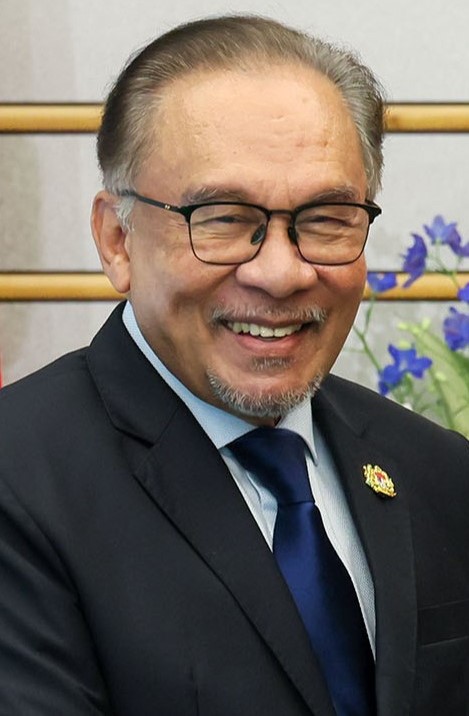
Prime Minister Datuk Seri Anwar Ibrahim has called on ASEAN and Russia to forge a more robust strategic partnership spanning multiple critical sectors, underlining that sustained diplomatic engagement must remain central to resolving conflicts and navigating an increasingly fractious global landscape. Speaking during the plenary session of the ASEAN-Russia Commemorative Summit in Kazan, Anwar positioned the gathering as a vital forum for advancing mutual interests during a period marked by profound international uncertainty and competing geopolitical interests.
The Malaysian premier articulated a vision for expanded cooperation that extends well beyond traditional economic channels. He identified trade and investment frameworks, digital infrastructure development, scientific collaboration, artificial intelligence advancement, energy security, food supply chain resilience, halal industry development, and expanded people-to-people engagement as priority areas where both regions could generate substantial mutual benefit. This comprehensive approach reflects Malaysia's view that ASEAN-Russia relations must evolve to address the multifaceted challenges confronting both regions in the 21st century.
Central to Anwar's message was an unwavering commitment to the principle that durable peace emerges exclusively through sustained dialogue, genuine mutual understanding, and strict adherence to the international legal framework. This statement carried particular significance given current geopolitical tensions and the temptation some powers face to resort to military solutions. By positioning Malaysia firmly within the dialogue camp, Anwar signalled ASEAN's preference for negotiated settlements over confrontational approaches, a stance that distinguishes the bloc from more hawkish international actors.
The summit itself carries symbolic weight as it commemorates 35 years of ASEAN-Russia relations, a partnership that formally commenced in 1991 in Kuala Lumpur. This three-decade engagement has evolved from its Cold War-era origins into a more multifaceted relationship encompassing economic, security, and cultural dimensions. The timing of this commemorative summit underscores both organizations' commitment to deepening ties despite global polarization and competing international alignments.
Addressing the volatile West Asian situation, Anwar reiterated Malaysia's long-standing position demanding an immediate termination of violence in Gaza, unrestricted humanitarian aid delivery to affected civilian populations, and respect for Palestinian self-determination rights. Beyond this, he explicitly condemned the Israeli military expansion into Lebanese territory and protested any attacks against the United Nations Interim Force in Lebanon, demonstrating Malaysia's consistent advocacy for regional stability and adherence to international humanitarian principles in the Middle East conflict.
These statements on Palestine and Lebanon reflect broader Southeast Asian concerns about international law and proportionality in military operations. Many ASEAN member states, with Malaysia prominent among them, have historically championed multilateral solutions and international legal mechanisms as counterweights to unilateral military action. By voicing these positions at a major international summit, Anwar ensured that ASEAN's humanitarian and legal concerns regarding West Asian conflicts received prominence among global leaders.
Philippines President Ferdinand Marcos Jr, serving as this year's ASEAN Chair, joined Anwar alongside other ASEAN leaders and Russian officials at the two-day gathering. This high-level participation underscores the significance both regional and international actors attach to ASEAN-Russia dialogue during a period when many countries are reassessing partnership priorities and strategic alignments. The physical convening of these leaders in Kazan itself carries diplomatic value in reinforcing channels of communication despite broader global divisions.
The summit's agenda focused on taking comprehensive stock of achievements across the 35-year partnership while charting a strategic course for the coming years. Outcomes included the adoption of multiple framework documents designed to operationalize cooperation and provide institutional guidance. The Kazan Declaration commemorating the 35-year milestone, joint statements specifically addressing energy and cultural cooperation, and a comprehensive implementation plan for the 2026-2030 ASEAN-Russia Strategic Partnership collectively establish the operational architecture for deepened engagement.
The energy cooperation framework carries particular relevance for Malaysia and other Southeast Asian economies navigating complex energy transitions. Russia's substantial hydrocarbon resources and expertise in energy infrastructure complement ASEAN's growing renewable energy ambitions and investment capital. Similarly, collaborative arrangements in food security address a vulnerability that has become increasingly acute across the region given supply chain disruptions and climate-related agricultural pressures.
The AI and digital technology cooperation components reflect recognition that technological capability increasingly determines economic competitiveness and national security. By establishing structured dialogue on these frontier technologies, both ASEAN and Russia seek to develop shared standards, facilitate knowledge transfer, and explore applications benefiting their respective economies. This represents a pragmatic acknowledgment that unilateral technological development carries inherent limitations compared to collaborative innovation frameworks.
For Malaysia specifically, the summit outcomes offer opportunities across multiple policy domains. The nation's positioning as a halal industry leader could benefit from Russian market engagement and cooperation frameworks. Malaysian expertise in financial technology, trade facilitation, and digital governance could find application in strengthening ASEAN-Russia commercial ties. Conversely, Russian capabilities in energy production, aerospace engineering, and natural resource management present investment and partnership possibilities for Malaysian companies seeking diversified international exposure.
The diplomatic emphasis on dialogue and international law also resonates with Malaysia's foreign policy traditions. By anchoring the ASEAN-Russia relationship in principles of mutual respect and legal obligation, Malaysia helps establish frameworks that protect smaller nations' interests within great power competition. This approach differs markedly from zero-sum strategic competition frameworks, instead proposing that enlightened interdependence serves all parties better than confrontational rivalry.
Looking forward, the ASEAN-Russia partnership framework faces the dual challenge of maintaining relevance while navigating international polarization. The commitment to structured cooperation through 2030 provides stability, yet implementation will require sustained political will from both sides. For Malaysia and ASEAN, successful partnership execution could demonstrate that regional organizations can maintain productive relations with multiple global powers while avoiding forced alignment with any single bloc—a critical objective for Southeast Asian strategic autonomy in an increasingly contested geopolitical environment.