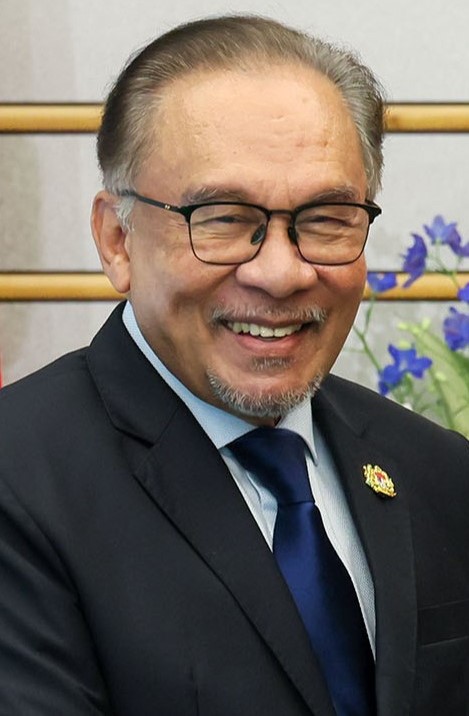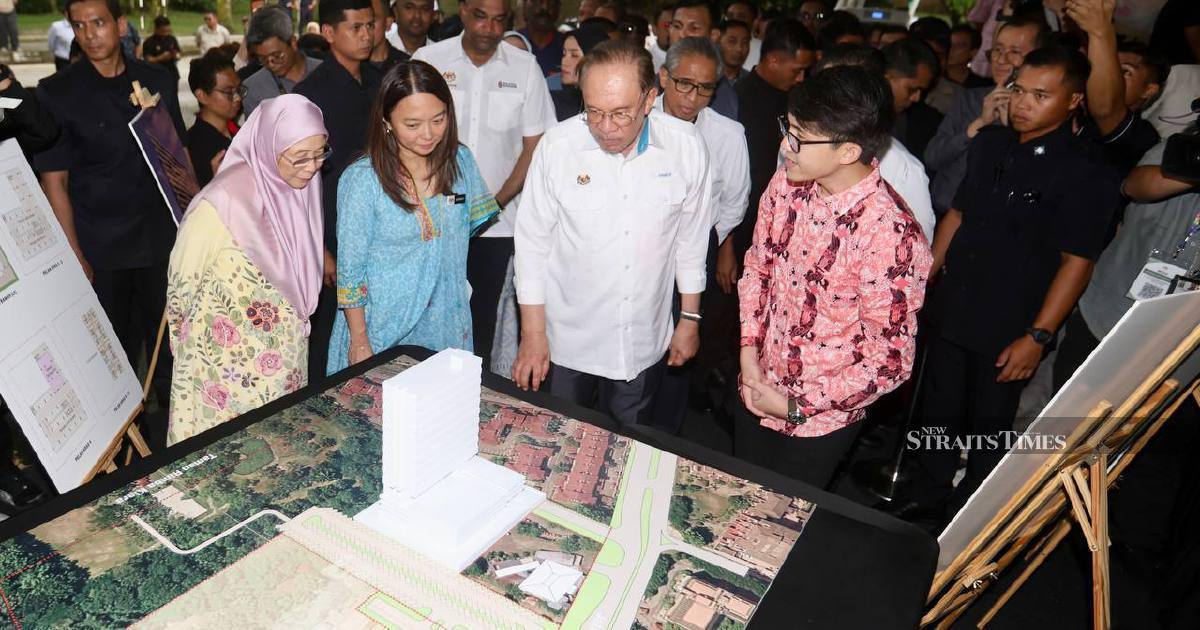
Prime Minister Datuk Seri Anwar Ibrahim has pushed back against suggestions that the government is neglecting the urban poor, asserting that his administration has consistently prioritized the welfare and rights of vulnerable city dwellers seeking economic advancement. Speaking on the matter, the Premier sought to underscore that protecting disadvantaged populations forms a cornerstone of his government's policy direction, rejecting characterizations that development initiatives are pursued at the expense of those living in poverty.
The Bukit Kiara development project has emerged as a focal point in these discussions, with the government presenting it as emblematic of an approach that balances urban regeneration with the interests of economically disadvantaged residents. The project appears to serve as a concrete example through which officials are attempting to demonstrate that growth initiatives and social protection need not be mutually exclusive aims. By highlighting this particular undertaking, the Prime Minister's office is seeking to reshape perceptions about the administration's intentions toward lower-income populations in major urban centres.
Context surrounding urban poverty in Malaysia has become increasingly prominent in public discourse, particularly as rapid development and real estate speculation have altered the demographic and economic character of major cities. The urban poor in Malaysia face particular vulnerabilities related to housing security, access to services, and employment stability. As cities expand and property values shift, questions about displacement and whether development benefits reach those at the bottom of the income scale have intensified among civil society groups and community advocates.
The government's framing of the Bukit Kiara initiative reflects a broader effort to address criticisms that economic growth policies disproportionately benefit higher-income groups while marginalizing vulnerable communities. By explicitly linking development projects to protections for the urban poor, officials are attempting to construct a narrative wherein growth and social equity work in tandem rather than in opposition. This rhetorical positioning matters considerably for the government's legitimacy, particularly among constituencies that have experienced economic pressures in recent years.
Malaysian commentators and urban researchers have long grappled with questions about how development frameworks affect low-income city residents. The interplay between commercial redevelopment, affordable housing, community displacement, and economic opportunity remains contested terrain in urban policy. When government leaders invoke specific projects as evidence of their commitment to poor populations, they are typically responding to substantive concerns that have been raised by affected communities and advocacy organizations about the pace and nature of urban change.
The Prime Minister's statement represents an attempt to reassure stakeholders that his government takes seriously its obligations to those living on limited incomes in urban settings. Whether through housing programmes, employment initiatives, or development guidelines that protect existing communities, the government is signalling that economic advancement does not require sacrificing the interests of those already struggling financially. This messaging carries particular weight in an era of rising living costs and housing affordability crises affecting Malaysian cities.
The Bukit Kiara project itself warrants closer examination as a case study in how governments attempt to reconcile development ambitions with social considerations. The specifics of how the project affects existing residents, what protections are in place, and whether it genuinely delivers tangible benefits to lower-income populations will determine whether the government's claims gain credibility. Such projects become barometers of sincerity when officials make declarations about protecting vulnerable groups.
Beyond the immediate project, the Prime Minister's remarks signal the government's awareness that urban poverty and development-induced displacement represent legitimate concerns that cannot be dismissed. By engaging directly with this issue and providing concrete examples rather than abstract promises, the administration is attempting to demonstrate responsiveness to public sentiment. How voters and communities perceive these efforts will likely influence the government's political fortunes in urban constituencies, particularly in states where rapid change has created anxiety about economic security.
The Malaysian context also involves consideration of how development priorities align with the government's stated commitment to inclusivity and sustainable growth. Balancing the need for infrastructure improvements and economic dynamism with the imperative to protect those most vulnerable to displacement and economic disruption represents a central challenge for contemporary urban governance. The government's invocation of the Bukit Kiara project as evidence of its commitment suggests that officials believe they have at least begun addressing this balance, though detailed evidence supporting such claims remains crucial for substantiating these assertions.