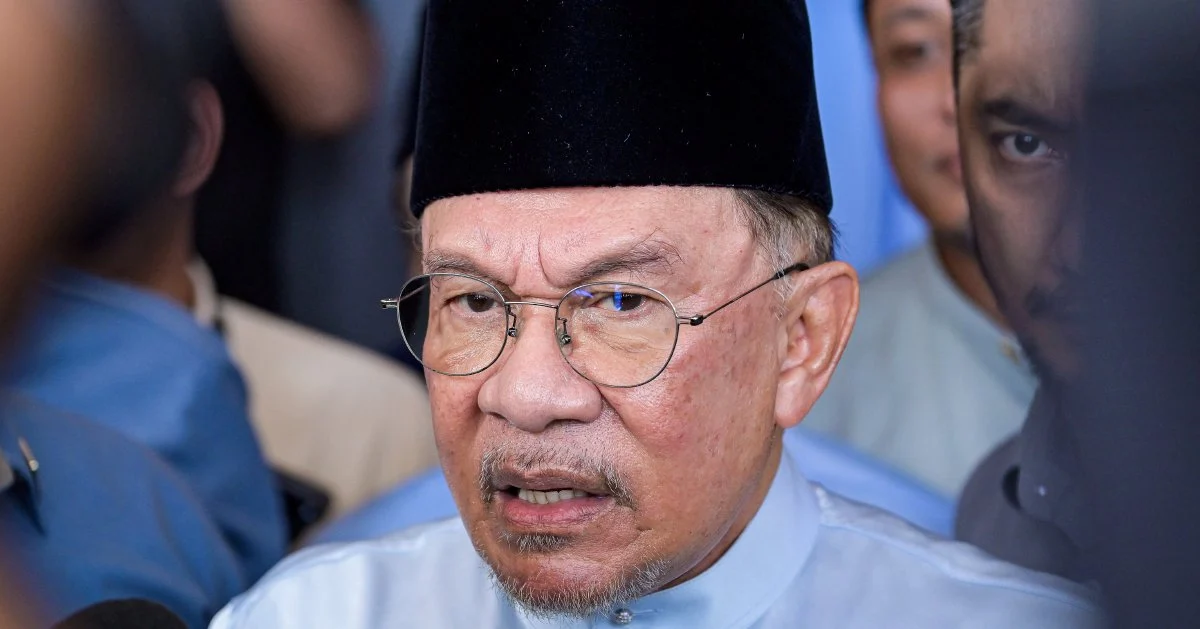
Prime Minister Datuk Seri Anwar Ibrahim has flatly rejected reports suggesting that caretaker Johor Menteri Besar Datuk Onn Hafiz Ghazi faced restrictions preventing him from participating in a Felda-related gathering. Speaking in Dengkil, the premier characterized the allegations as unfounded, signalling his dismissal of what appears to be politically charged speculation surrounding the incident.
The controversy emerged against the backdrop of Malaysia's complex political landscape, where tensions between federal and state leadership can occasionally manifest in public disputes over access to official events or government functions. Felda settlements, which represent one of the nation's most significant rural development initiatives, frequently serve as venues for political engagement and community dialogue. Such gatherings carry symbolic weight, making questions about participation particularly sensitive within the broader context of interstate relations and political protocol.
Onn Hafiz's position as caretaker Menteri Besar reflects the transitional political period following recent electoral cycles in Johor. The caretaker arrangement necessitates a careful balance between maintaining administrative continuity and acknowledging the electoral mandate that will ultimately determine the state's future leadership direction. Against this delicate backdrop, any suggestion of exclusion from government-sanctioned events carries implications for both institutional respect and political legitimacy.
Anwar's categorical denial suggests the federal government views the claims as mischievous in nature, potentially designed to inflame political tensions between Putrajaya and Johor. The Premier's willingness to address the matter publicly underscores the significance placed on clarifying federal-state relations, particularly given Johor's importance as Malaysia's second-largest state economically and politically. His statement serves as reassurance that standard protocols governing official participation remain intact.
Felda settlements represent a unique constituency within Malaysian governance. These agricultural communities, established through the Federal Land Development Authority's programmes, span across multiple states and serve populations particularly attuned to narratives surrounding government accessibility and political representation. Events staged in these settlements naturally attract scrutiny given their symbolic connection to rural development policy and the government's commitment to agricultural communities.
The timing of such allegations warrants consideration within Malaysia's political calendar and the various competitive dynamics at play across state and federal levels. While caretaker arrangements are standard constitutional practice in Malaysia, they can sometimes create awkward situations where questions arise regarding the appropriate scope of a transitional chief minister's engagement with federal initiatives and programmes. Clarifying these boundaries publicly helps prevent future misunderstandings that might arise from administrative ambiguity.
Anwar's intervention also reflects the federal administration's broader concern with maintaining harmonious working relationships across state governments, regardless of their political complexion. In Johor's case, managing this relationship carries particular weight given the state's economic significance, its large federal land development constituencies, and the state's historical importance within Malaysian governance. Strong federal-state coordination on matters affecting Felda communities directly impacts policy implementation and rural development outcomes across multiple constituencies.
The rejection of these claims carries implications for how federal leadership will navigate similar situations should they arise again. By publicly denying the allegations rather than leaving them unanswered, Anwar has established a clear position that such exclusions do not reflect government practice or policy. This approach serves to depoliticize what could otherwise become a recurring point of contention affecting institutional cooperation.
Politically, the episode illustrates the enduring sensitivity surrounding questions of access and inclusion in government activities, particularly when they touch upon relationships between federal and state administrations with different political compositions or transitional leadership arrangements. The swift and unambiguous nature of Anwar's response demonstrates the federal government's commitment to maintaining appropriate protocols regardless of partisan considerations. For Felda communities and other constituencies dependent on smooth coordination between federal and state authorities, such reassurance carries practical significance beyond the immediate political disagreement.
Moving forward, this incident underscores the importance of clear communication channels between federal ministries responsible for Felda affairs and state governments regarding event participation and administrative protocols. As Malaysia continues managing its complex federalism and the various political configurations that emerge across different states, establishing and maintaining transparent practices for government engagement becomes increasingly valuable for ensuring public confidence in institutional impartiality and administrative fairness.

