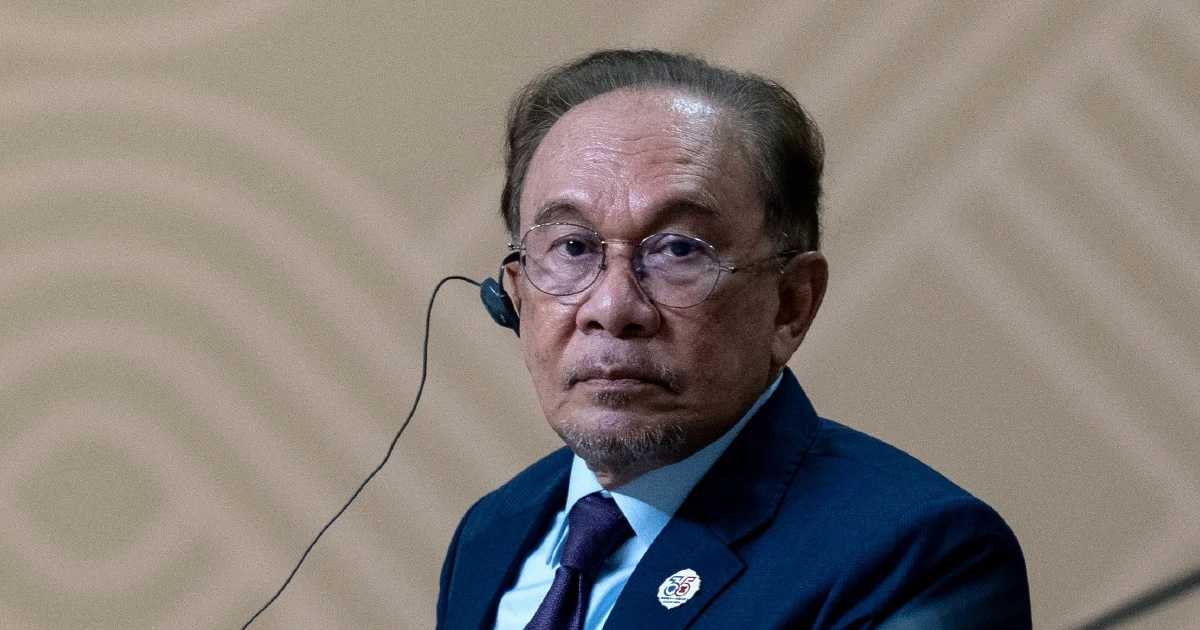
The High Court in Kuala Lumpur has granted Prime Minister Datuk Seri Anwar Ibrahim's application to withdraw from his requirement to serve as a witness in a RM30 million civil suit, marking a significant development in the legal proceedings that had initially sought his testimony.
The judicial decision to set aside the subpoena effectively removes one of the complications facing the case, which centres on Vinod Sekhar's involvement. The matter had attracted attention because of the Prime Minister's previously mandated participation, raising questions about the intersection of governmental duties and civil litigation obligations in Malaysia's legal system.
When courts issue subpoenas to prominent public figures, particularly those holding executive office, the question of whether their governmental responsibilities should take precedence becomes a central consideration. The High Court's ruling suggests that judicial reasoning centred on the impracticality or undue burden of requiring a serving Prime Minister to participate in protracted court testimony, given the demands of managing national affairs.
This type of relief from witness obligations is not uncommon in jurisdictions where senior government officials are involved in legal proceedings. Courts frequently balance the public interest in having access to important testimony against the practical realities of governance. A Prime Minister's time and attention are already allocated to state business, and extended court appearances could theoretically impede the functioning of executive authority.
The RM30 million figure attached to this case suggests substantial commercial interests are at stake. Civil disputes of this magnitude typically involve intricate factual disputes or contractual disagreements that require careful examination of evidence. The exact nature of the allegations or claims against Vinod Sekhar remains a matter for the parties to litigate through other available evidence and testimony from non-governmental witnesses.
For Malaysian observers of the legal system, this outcome illustrates how the judiciary navigates situations where personal liability may theoretically extend to government leaders. The decision respects both the principle that no one stands above the law and the practical necessity of ensuring that senior office-holders can discharge their constitutional responsibilities without constant interruption from unrelated civil matters.
Vinod Sekhar and the other parties to the dispute must now pursue their respective claims and defences through alternative avenues. This could include testimony from other witnesses with direct knowledge of the contested facts, documentary evidence, expert analysis, and arguments about contractual interpretation or commercial standards. The absence of the Prime Minister's testimony may require the parties to be more thorough in establishing their positions through other means.
The broader implications for Malaysia's legal framework are modest but worth noting. The ruling reinforces that while courts possess wide power to compel testimony, they also exercise discretion in recognising legitimate exemptions or modifications when doing so serves the interests of justice overall. This balanced approach prevents the legal system from becoming a tool that inadvertently undermines core governmental functions through excessive demands on key officials.
During an era when Malaysian jurisprudence increasingly emphasises rule of law and accountability, decisions like this one must also communicate that justice remains accessible even when some witnesses are unavailable. The court's confidence in the ability of parties to present their cases without the Prime Minister's participation suggests that the litigation can proceed fairly through conventional evidentiary methods.
For the Malaysian business community and those involved in commercial disputes, the ruling offers a practical reminder about the realistic scope of witness obligations. While subpoena power remains important, courts retain the authority to assess whether compliance is genuinely feasible or whether alternative approaches better serve justice. Parties pursuing civil claims in Malaysia should therefore prepare their cases with the understanding that some potential witnesses, particularly those in senior government positions, may ultimately be excused from court attendance.
The decision also occurs within Malaysia's broader context of managing relationships between executive authority and judicial oversight. As the nation continues to strengthen its democratic institutions and legal independence, rulings that respect both the separation of powers and the principle that the judiciary answers to no one demonstrate a maturing approach to governance and legal process.
Moving forward, the RM30 million lawsuit will proceed without Anwar Ibrahim's involvement as a witness, allowing both the Prime Minister and the court system to focus on their respective primary responsibilities. For those involved in the case against Vinod Sekhar, the path to resolution now depends on marshalling other evidence and witnesses to support their respective positions, testing those materials against the standards of civil proof required in Malaysian courts.

