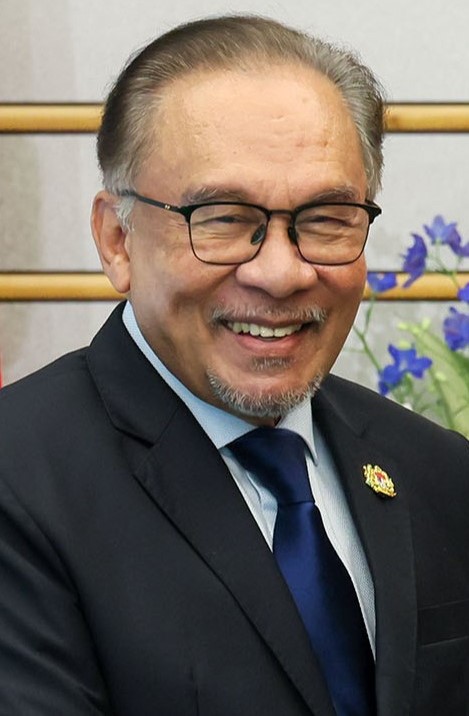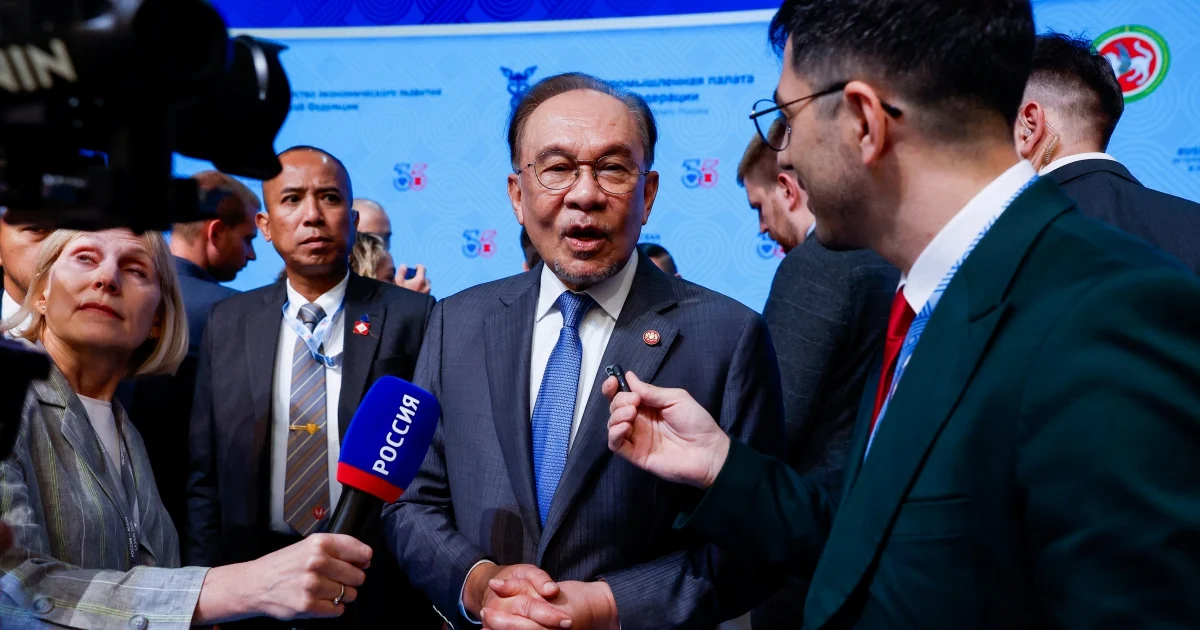
Prime Minister Datuk Seri Anwar Ibrahim has placed significant emphasis on the role of cultural exchange in international relations, revealing during a visit to Kazan that he maintains a personal appreciation for Russian musical traditions and literary works. Speaking on the broader context of Malaysia-Russia bilateral engagement, Anwar stressed that interactions extending beyond trade and investment represent a critical dimension of strengthening diplomatic bonds.
The remarks come as Malaysia seeks to deepen its relationship with the Russian Federation across multiple sectors. While economic cooperation—spanning energy, technology, and trade—typically dominates bilateral agendas, Anwar's comments underscore a deliberate strategic pivot toward acknowledging soft power and cultural initiatives as complementary pillars of national diplomacy. This approach aligns with global best practices where nations recognize that sustained relationships rest not solely on commercial interests but on mutual understanding and shared appreciation of each other's heritage.
Anwar's candour about his personal engagement with Russian culture carries particular significance in the Malaysian political context. As a leader known for intellectual pursuits and multilingual proficiency, his public recognition of Russian artistic contributions reflects a commitment to cosmopolitanism that extends beyond conventional diplomatic protocol. Literature and music serve as vessels through which ordinary citizens connect across borders, transcending language barriers and geopolitical considerations that might otherwise complicate relations between nations operating within different spheres of influence.
For Malaysia specifically, such cultural diplomacy carries strategic weight. As a Southeast Asian nation navigating complex great-power dynamics, Malaysia benefits from maintaining substantive relationships with major global powers including Russia. Cultural exchanges provide pathways for engagement that are less contentious than purely political negotiations, allowing both nations to demonstrate goodwill and establish rapport among broader populations. When political leaders visibly appreciate another culture, such endorsements filter through media channels and influence public perception, gradually cultivating more favourable dispositions toward foreign partnerships.
The significance of literature and music in diplomatic relations extends into practical domains affecting Malaysian interests. Educational exchanges featuring Russian classical texts and contemporary works can enrich Malaysian intellectual discourse. Similarly, musical collaborations and cultural festivals featuring Russian performers expose Malaysian audiences to alternative perspectives and artistic traditions. These interactions contribute to what international relations scholars term "soft power"—influence derived not from coercion but from attraction and the appeal of one's values and culture.
Anwar's comments also arrive amid broader regional recalibration. Southeast Asia has historically maintained careful balance between superpower relationships, and Malaysia's approach reflects this strategic tradition. By emphasizing cultural dimensions alongside economic cooperation, the Prime Minister signals that Malaysia seeks multifaceted engagement with Russia that respects mutual interests without subordinating either nation's sovereignty or values. This measured approach appeals to Malaysia's diverse population and aligns with the nation's principle of non-alignment in Cold War terms, which continues informing contemporary foreign policy thinking.
The visit to Kazan itself holds symbolic weight. As a major cultural and economic centre in the Volga region, Kazan represents Russia's cultural diversity and historical significance. By choosing this venue to emphasize cultural appreciation, Anwar's remarks gain added context—he speaks not merely about abstract cultural exchange but demonstrates engagement with Russia's specific regional contributions to global civilization. Kazan's status as a crossroads of European and Asian cultures further reinforces the relevance of his message for a Malaysian audience accustomed to bridging diverse civilizations.
From a Malaysian reader's perspective, understanding the Prime Minister's cultural inclinations provides insight into how leaders approach international relations beyond headlines and official communiqués. Anwar's appreciation for Russian literature and music suggests a leader who absorbs influences from multiple traditions, incorporating global perspectives into his worldview. This intellectual openness carries implications for how Malaysia might approach policy challenges requiring creative thinking and cross-cultural problem-solving.
Looking forward, Anwar's emphasis on cultural exchange may catalyze concrete initiatives. Malaysian cultural delegations might visit Russia, Russian artists could perform in Malaysian venues, and educational institutions might establish partnerships centred on comparative literature and arts. Universities in both nations could strengthen academic collaboration, with scholars exploring shared interests in philosophy, history, and creative expression. Such programs, initially modest in scope, gradually build constituencies of citizens in each nation invested in maintaining positive bilateral relations.
The broader implication for Southeast Asia involves legitimizing cultural diplomacy as a strategic tool. Regional nations watching Malaysia's approach may reassess their own cultural initiatives with major powers, recognizing that soft power investments yield returns comparable to traditional economic negotiations. As competition for influence intensifies globally, nations increasingly appreciate that sustainable relationships require engagement at cultural and intellectual levels alongside commerce and security considerations.
Anwar's reflections from Kazan demonstrate a sophisticated understanding of modern diplomacy. By articulating genuine appreciation for another nation's cultural contributions rather than offering perfunctory diplomatic pleasantries, he models an approach to international relations that respects human creativity and shared heritage. This positions Malaysia not merely as a transactional partner seeking economic gains but as a genuine participant in global intellectual and artistic discourse—a distinction that enhances the nation's diplomatic standing and appeal.