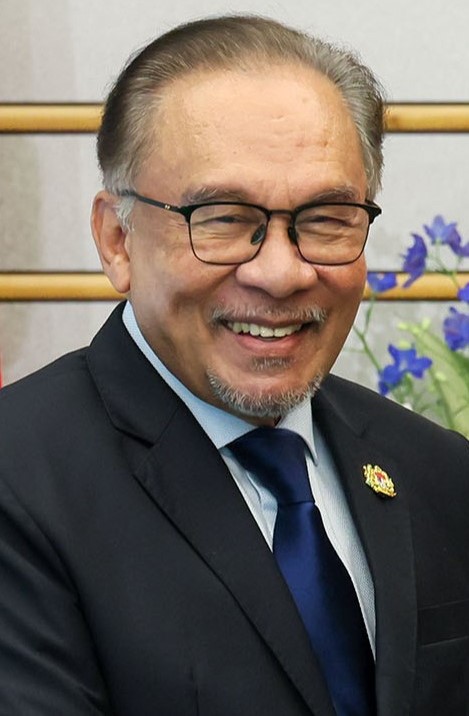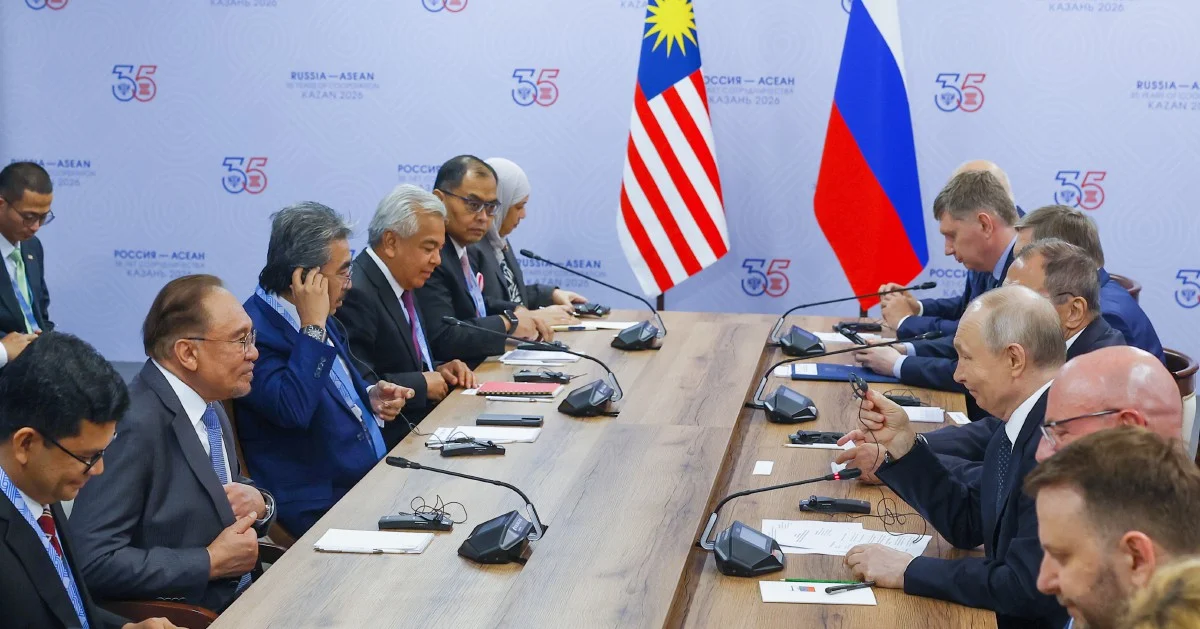
Prime Minister Datuk Seri Anwar Ibrahim has acknowledged Russian President Vladimir Putin's pivotal role in facilitating closer energy ties between Malaysia and Russia, with particular emphasis on strengthening collaboration through Petroliam Nasional Bhd (Petronas). The remarks, made during high-level diplomatic engagements, underscore Malaysia's strategic pivot towards expanding its energy partnerships beyond traditional Western markets and diversifying its resource security framework.
Malaysia's energy sector stands at a critical juncture as global markets grapple with volatile commodity pricing and geopolitical realignment. By securing Russian backing for energy cooperation, Anwar's government demonstrates a pragmatic approach to ensuring stable hydrocarbon supplies and long-term commercial arrangements that benefit national economic interests. Petronas, as the cornerstone of Malaysia's petroleum industry and a significant revenue generator for the federal government, plays an instrumental role in these high-stakes negotiations where political endorsement from Russia's leadership carries substantial weight.
The timing of these exchanges reflects Malaysia's broader diplomatic strategy of maintaining balanced relationships across major global powers whilst advancing specific sectoral interests. Rather than aligning exclusively with Western economic blocs, Kuala Lumpur has consistently pursued a non-aligned posture that permits engagement with multiple centres of influence. Putin's supportive stance towards Malaysian energy initiatives suggests recognition of shared interests in maintaining stable global energy markets and establishing alternative trading relationships that circumvent Western sanctions and restrictions.
Petronas operates across multiple international markets and has substantial interests in energy exploration, production, and trade. Strengthening governmental backing from Russia elevates the company's negotiating position in regional and global energy forums. Russian support could facilitate access to technical expertise, investment capital, and markets that might otherwise remain constrained by Western-led economic pressures. This becomes particularly relevant in Southeast Asia, where energy security directly impacts economic development and industrial competitiveness.
For Malaysia specifically, enhanced energy cooperation with Russia carries implications for domestic energy pricing, industrial competitiveness, and the revenue streams supporting public services. LNG exports and crude oil production remain vital sources of foreign exchange, and stable relationships with major energy markets ensure consistent demand and favourable pricing conditions. The acknowledgement from Putin suggests Russia views Malaysia not merely as a peripheral trading partner but as a strategic actor within the broader Asian energy landscape.
The diplomatic appreciation expressed by Anwar also reflects contemporary regional dynamics where Southeast Asian nations increasingly assert independent foreign policies despite pressure from competing global powers. Malaysia's willingness to engage openly with Russia, despite Western disapproval of Moscow's international conduct, demonstrates confidence in its ability to compartmentalise different policy domains. Energy cooperation agreements can proceed on technical and commercial grounds whilst maintaining separate positions on contentious geopolitical questions.
Petrolas' international operations span exploration and production assets across multiple countries, refining capacity, and downstream distribution networks. Russian cooperation could unlock new opportunities in Eastern markets, reduce dependence on Western technology and supply chains, and strengthen the company's resilience against external economic pressures. For a nation whose economic fortunes depend substantially on hydrocarbon revenues, such strategic partnerships represent essential investments in long-term stability.
The broader context reveals Malaysia navigating complex trade-offs between maintaining relationships with Western economies and developing partnerships with non-aligned or sanctions-affected nations. This approach mirrors broader trends across Southeast Asia, where countries resist binary alignment and instead pursue fluid, interest-based diplomacy. Energy sector cooperation exemplifies this pragmatism, as technical collaboration and commercial arrangements transcend ideological differences.
Regional implications extend beyond bilateral Malaysia-Russia relations. Other Southeast Asian energy-producing nations, including Indonesia and Vietnam, closely observe Malaysia's diplomatic manoeuvres and commercial arrangements. Successful energy cooperation frameworks established through Malaysian-Russian partnerships could serve as templates for broader regional engagement, potentially reshaping energy supply chains across Asia and reducing Western dominance in resource allocation decisions.
For Malaysian stakeholders across government, business, and civil society, the cultivation of Russian support for energy cooperation signals commitment to reducing vulnerabilities in critical infrastructure and resource supply. As global energy markets continue experiencing volatility driven by geopolitical tensions, climate transition pressures, and shifting demand patterns, diversifying partnership sources and securing governmental backing from multiple influential actors strengthens Malaysia's negotiating position and economic resilience.
The appreciation expressed towards Putin also carries symbolic weight, publicly acknowledging Russia as a legitimate and important partner in Malaysia's development strategy. This messaging counters narratives depicting Russia as diplomatically isolated and suggests Malaysia perceives enduring value in bilateral relations despite international controversies. For Petronas and Malaysian energy investors, such governmental endorsement provides essential political cover for commercial activities that might otherwise attract international scrutiny.
Moving forward, the substantive manifestation of this expressed cooperation will determine its genuine significance. Joint ventures, technology transfers, market access arrangements, and investment flows will indicate whether Putin's backing translates into concrete benefits for Malaysian energy interests. The success or failure of these initiatives will inform Malaysia's future diplomatic calculus regarding partnerships with other non-aligned or sanctions-affected nations.