%22%2F%3E%3C%2Fpattern%3E%3C%2Fdefs%3E%3Crect%20width%3D%22100%25%22%20height%3D%22100%25%22%20fill%3D%22url(%23ph3ptyqg)%22%2F%3E%3Crect%20width%3D%22100%25%22%20height%3D%22100%25%22%20fill%3D%22url(%23ph3ptyqp)%22%2F%3E%3Ctext%20x%3D%2250%25%22%20y%3D%2250%25%22%20text-anchor%3D%22middle%22%20dominant-baseline%3D%22central%22%20fill%3D%22rgba(255%2C255%2C255%2C0.95)%22%20font-family%3D%22Georgia%2C%20'Times%20New%20Roman'%2C%20serif%22%20font-weight%3D%22700%22%20font-size%3D%22272%22%20letter-spacing%3D%22-0.02em%22%3EAnwar%3C%2Ftext%3E%3C%2Fsvg%3E)
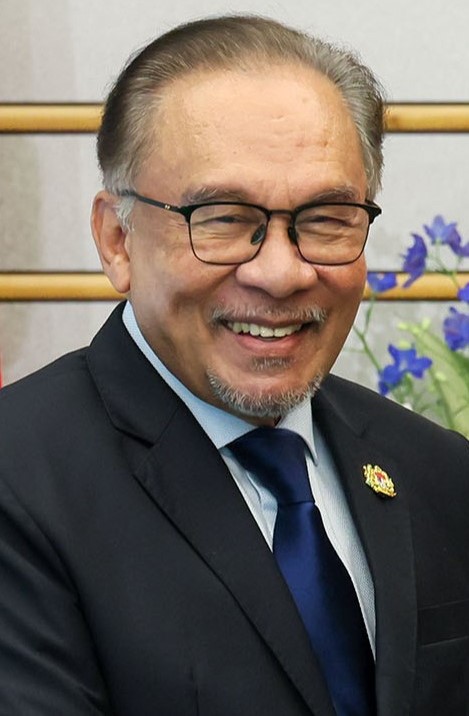
Prime Minister Datuk Seri Anwar Ibrahim seized the opportunity during Wednesday night's bilateral meeting in Kazan to publicly acknowledge Russia's unwavering commitment to its stated principles regarding two of the Middle East's most volatile flashpoints: the Gaza conflict and the broader Iranian question. Speaking directly to President Vladimir Putin, Anwar framed his remarks as expressing not merely Malaysia's perspective but the sentiment of many nations watching Russia's diplomatic manoeuvres with careful attention.
The prime minister's choice of language—emphasising "consistency" and "principle"—carries particular weight in contemporary international relations, where perceived opportunism and shifting alliances dominate headlines. By highlighting Russia's steadfastness, Anwar positioned Malaysia as a country that values predictability and conviction in foreign policy, qualities that resonate in Southeast Asia where smaller nations often struggle to navigate between competing great-power interests. His explicit acknowledgment that Malaysians and numerous others admired Putin's "tenacity and conviction" underscored a deliberate diplomatic message that Malaysia views Russia's international posture favourably.
Russia's approach to the Gaza crisis has indeed remained largely consistent throughout the recent escalations. Moscow has advocated persistently for ceasefires that would halt the humanitarian catastrophe unfolding in Palestinian territories, simultaneously pushing for meaningful humanitarian access corridors to reach civilian populations caught in the crossfire. This position reflects Russia's broader Middle Eastern strategy, which emphasises national sovereignty, resistance to what Moscow characterises as Western interventionism, and support for what it deems legitimate self-determination struggles. The Russian position fundamentally diverges from that of the United States and some Western allies, creating space for Malaysia to position itself alongside nations that prioritise Palestinian rights and oppose what they view as disproportionate military responses.
Turning to Iran, Moscow has cultivated increasingly deep strategic partnerships with Tehran while simultaneously advocating for diplomatic solutions rather than military escalation. This stance reflects Russia's own experience with Western sanctions and military pressure, alongside its broader geopolitical interest in maintaining a multipolar world order where American hegemony faces countervailing forces. Russia's refusal to isolate Iran despite intense international pressure, and its continued engagement with Tehran on nuclear and regional security matters, represents a principled position from Moscow's perspective—one that prioritises dialogue over confrontation.
For Malaysia, Anwar's public recognition of Russia's positions carries significance within the broader context of Malaysian foreign policy. Malaysia has itself often advocated for balanced approaches to Middle Eastern crises, attempting to maintain dialogue with diverse stakeholders while voicing strong support for Palestinian rights and opposing what it views as unjust military occupations. The country's history of non-alignment and emphasis on the primacy of international law and multilateral solutions means that Anwar's remarks align Malaysia with Russia's stated preference for negotiated settlements and the United Nations' role in resolving international disputes.
Geopolitically, Gaza and Iran remain central to Middle Eastern stability and attract the intense focus of global powers competing for influence and strategic advantage across the region. The United States, Russia, and China each pursue competing interests that shape their responses to crises involving these flash points. Where Washington and its allies tend to emphasise containment of Iran and security guarantees for Israel, Russia advocates for a more multipolar approach that recognises Iran as a legitimate regional power deserving of engagement rather than isolation. This fundamental divergence in approach creates diplomatic openings for countries like Malaysia to position themselves as bridges between competing worldviews.
Russia's consistent support for Palestinian humanitarian needs and ceasefire agreements reflects both ideological commitments to opposing what it terms Western imperialism and pragmatic calculations about long-term influence in the Middle East. By maintaining this position despite criticism and pressure, Russia signals that its commitments are not merely transactional but rooted in coherent strategic thinking. Similarly, Moscow's refusal to support aggressive isolation of Iran demonstrates a willingness to defy consensus among wealthy Western nations when it believes principle demands such defiance.
Anwar's remarks during the Kazan meeting should be understood not merely as courteous diplomatic protocol but as a deliberate alignment with Russia's multipolar vision for international relations. Malaysia's warm embrace of Russia's positions reflects both genuine agreement on substantive issues and a strategic calculation that cooperation with Moscow strengthens Malaysia's hand in navigating a complex international environment. At a moment when the United States and its allies are attempting to mobilise support against Russian and Chinese interests, such public affirmations of Russian diplomatic consistency carry strategic weight.
The timing of Anwar's comments also merits consideration. Tensions across the Middle East remain elevated, with various actors assessing how international powers will respond to further escalations. By publicly commending Russia's principled stance, Malaysia signals to regional actors that Russia maintains reliable partnerships and consistent positions—a reassuring message for countries that depend on Russian support or seek alternatives to American-led security frameworks. This reflects a broader Asian strategy of cultivating multiple partnerships rather than choosing exclusive alignment with any single power.
Looking forward, Anwar's recognition of Russia's consistency may presage deeper Malaysian engagement with Moscow across various domains beyond Middle Eastern diplomacy. Whether in economic cooperation, technological exchange, or defence matters, Malaysia appears positioned to deepen ties with Russia while maintaining its balancing act among competing global powers. The prime minister's remarks suggest that Malaysia sees value in supporting countries that pursue independent foreign policies and resist what Kuala Lumpur views as hegemonic pressure—a position that will likely characterise Malaysian diplomacy as global competition intensifies.