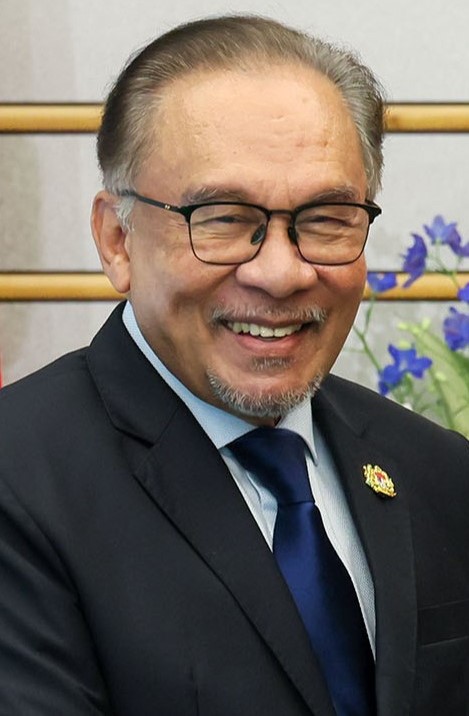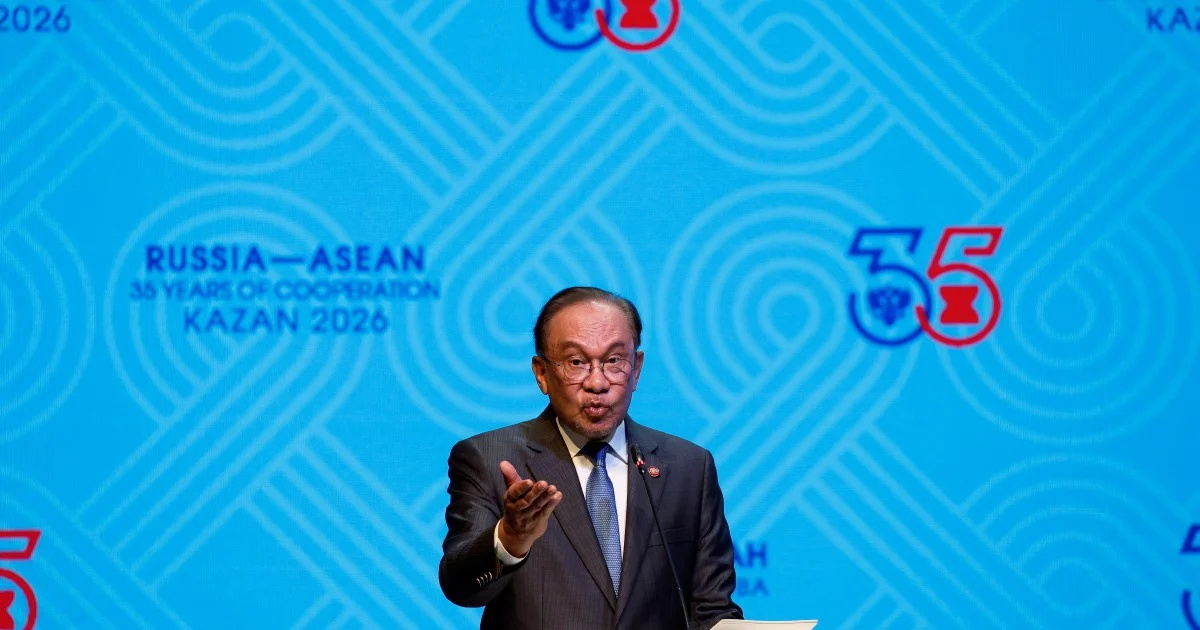
Prime Minister Datuk Seri Anwar Ibrahim has welcomed the finalisation of the Asean-Russia Strategic Programme on Trade and Investment Cooperation 2026-2035, characterising the completed framework as a meaningful starting point for deepening economic engagement between the 10-nation Southeast Asian bloc and Moscow. Speaking in Kazan, Malaysia's leader underscored that whilst the formalisation of the strategic roadmap represents a significant achievement, translating ambitious trade objectives into tangible commercial results will depend entirely upon establishing the proper conditions necessary for implementation across both regions.
The timing of this initiative carries particular relevance for Southeast Asian economies navigating an increasingly multipolar global trade environment. With ongoing geopolitical tensions affecting traditional trading patterns and supply chains, the region has sought to diversify partnerships beyond conventional Western markets. Russia, despite international sanctions and economic pressures, remains a substantial economy with significant natural resources, energy reserves, and manufacturing capabilities that complement Asean's own production strengths. The 2026-2035 framework provides a structured blueprint for identifying concrete areas of cooperation, from energy and raw materials to agricultural trade and technological collaboration.
Anwar's emphasis on the necessity of an enabling environment speaks to deeper structural challenges that often plague multilateral trade arrangements. Even well-intentioned agreements frequently falter when supporting mechanisms prove inadequate—whether regulatory harmonisation, infrastructure development, payment systems, or dispute resolution mechanisms. For Asean nations, many of which maintain varying levels of institutional capacity and logistical sophistication, establishing common standards and streamlined procedures will be essential. Similarly, Russian authorities must ensure that international sanctions compliance frameworks do not inadvertently obstruct legitimate commercial activity or create excessive uncertainty for prospective trading partners.
The relationship between Asean and Russia has historically been multidimensional, extending well beyond economics into defence, cultural, and diplomatic spheres. However, trade volumes between the bloc and Russia have traditionally remained modest compared to Asean's ties with China, the United States, Japan, or the European Union. This strategic programme represents an attempt to elevate bilateral economic cooperation from a peripheral to a more meaningful position within Asean's diversified partnership architecture. For Malaysian businesses particularly, expanded Russian engagement could open opportunities in sectors ranging from palm oil and petrochemicals to electrical and electronic products where domestic expertise is concentrated.
The framework's ten-year horizon reflects recognition that building comprehensive economic relationships requires sustained commitment and patience. Unlike short-term trade deals that address immediate commercial gaps, a decade-long strategic programme allows both sides to invest in foundational elements such as customs infrastructure, banking relationships, logistics networks, and personnel training. This extended timeframe also provides flexibility to adjust course as geopolitical circumstances evolve and new opportunities emerge. For Asean members, the programme offers a platform to collectively negotiate with Russia rather than pursuing purely bilateral arrangements, potentially strengthening the bloc's negotiating position.
Energy cooperation represents perhaps the most strategically significant dimension of potential Asean-Russia collaboration. Russia supplies substantial quantities of oil, natural gas, and coal to global markets, whilst several Asean nations—most notably Thailand, Vietnam, and Indonesia—have substantial energy consumption requirements. Establishing reliable, diversified sourcing arrangements reduces dependency on any single supplier and provides leverage in price negotiations. Malaysia, as an energy exporter itself with refining and petrochemical capabilities, could potentially position itself as a regional hub for processing and distributing Russian energy products throughout Southeast Asia.
Agricultural trade presents another area ripe for expansion. Russia requires significant imports of tropical products including rubber, palm oil, spices, and tropical fruits where Asean producers hold competitive advantages. Conversely, Russian agricultural exports—particularly grains, fertilisers, and certain specialty products—align with Asean's import needs. However, achieving meaningful growth in agricultural trade requires addressing non-tariff barriers, phytosanitary standards, and certification procedures that frequently complicate food trade between regions with different regulatory regimes.
Technological cooperation and manufacturing linkages offer additional avenues for collaboration. Russian expertise in aerospace, heavy engineering, and certain advanced manufacturing sectors could complement Asean's growing capabilities in semiconductors, electronics, and automotive production. Joint ventures and technology transfer arrangements could enhance productivity and competitiveness for firms across both regions, though such arrangements inevitably raise intellectual property and technology security considerations that both parties must navigate carefully.
For Malaysia specifically, enhanced Asean-Russia engagement aligns with Kuala Lumpur's broader strategic objective of maintaining balanced, multifaceted international relationships. As a regional economic hub with significant influence within Asean, Malaysia benefits from deepening intra-regional cooperation frameworks that strengthen the bloc's collective negotiating power with external partners. The successful implementation of the 2026-2035 programme could establish precedent for similar structured engagements with other non-traditional partners, further diversifying Asean's economic footprint.
However, realising the framework's potential faces formidable obstacles. International sanctions regimes, regulatory complexity, currency volatility, and logistical challenges inherent to connecting distant regions remain substantive barriers. The extent to which Asean members can coordinate policy approaches, streamline procedures, and commit resources to supporting programme objectives will largely determine whether the strategic roadmap translates into measurable commercial expansion or remains primarily aspirational.
The finalisation of the Asean-Russia Strategic Programme therefore marks a beginning rather than a conclusion. Anwar's measured optimism—celebrating the framework whilst cautioning that proper conditions remain essential—reflects realistic understanding that ambitious trade visions require meticulous execution. For Southeast Asian economies seeking to deepen engagement with Russia whilst navigating international constraints, success will demand sustained political will, institutional coordination, and pragmatic problem-solving across multiple governmental and commercial stakeholders over the coming decade.