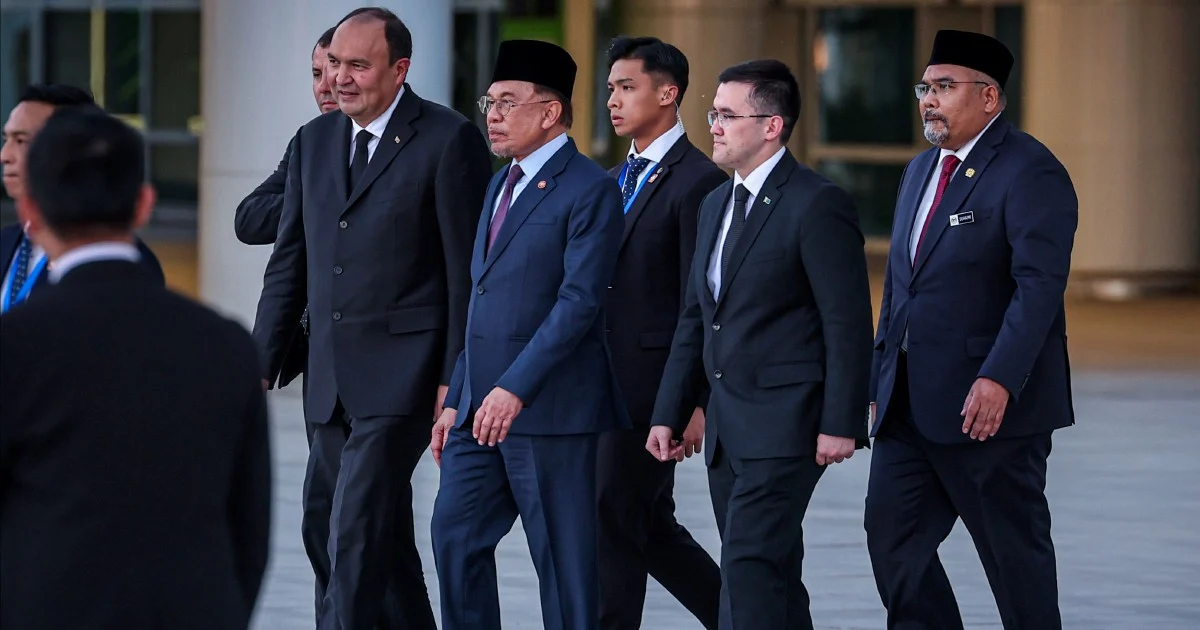
Prime Minister Datuk Seri Anwar Ibrahim is entering the final phase of his official state visit to Turkmenistan, with the second day scheduled to feature a comprehensive programme of top-tier diplomatic engagements designed to advance Malaysia's economic interests across Central Asia. The visit represents a significant diplomatic initiative to establish stronger institutional links with one of the region's energy-rich nations, located strategically along the eastern shores of the Caspian Sea.
Turkmenistan occupies a crucial geopolitical position in Central Asia, serving as a bridge between Asia's growing economies and Europe's markets. The nation's substantial natural gas reserves and its role as a transit corridor for international trade make it an increasingly important partner for Malaysian enterprises seeking to expand beyond traditional Asian markets. For Malaysia, engagement with Turkmenistan opens pathways to accessing the broader Central Asian economic bloc, which represents approximately 80 million consumers with rising purchasing power.
The timing of Anwar's visit carries particular significance for Malaysia's economic diversification strategy. As the Malaysian government continues pursuing new market opportunities to reduce over-reliance on traditional trading partners, Central Asia presents untapped potential. Turkmenistan's economy, buoyed by hydrocarbon revenues, has demonstrated resilience and offers concrete opportunities in sectors ranging from petrochemicals to infrastructure development, technology services, and food security initiatives.
The high-level meetings scheduled for the concluding day of Anwar's trip are anticipated to produce concrete outcomes. Discussions with Turkmenistan's leadership are expected to focus on establishing bilateral trade frameworks, identifying joint venture opportunities, and potentially facilitating Malaysian investment in Turkmenistan's development projects. Such arrangements could benefit Malaysian companies seeking regional expansion while simultaneously providing Turkmenistan with access to Southeast Asian expertise and capital.
Beyond immediate commercial considerations, the visit underscores Malaysia's broader strategic interest in cultivating relationships across diverse cultural and religious contexts. Turkmenistan, with its significant Muslim population and unique blend of Islamic and secular governance traditions, shares common ground with Malaysia on several developmental priorities. The diplomatic engagement reflects mutual recognition that cooperation in trade and investment can foster stability and prosperity across regions historically separated by geographic distance.
For Malaysian investors, Turkmenistan represents a gateway to Central Asian markets that remain relatively underdeveloped compared to East Asian counterparts. The country's infrastructure modernisation initiatives, coupled with its position along major transportation corridors connecting China to Europe and South Asia to the Middle East, create compelling opportunities for Malaysian companies in logistics, telecommunications, and value-added manufacturing sectors.
The visit also carries implications for Malaysia's positioning within broader multilateral frameworks. As Southeast Asia seeks to deepen engagement with Central Asia, bilateral visits such as this contribute to establishing the diplomatic infrastructure necessary for sustained cooperation. Malaysia's experience in regional trade integration and its established relationships across diverse markets position it to serve as an effective intermediary between Central Asian nations and ASEAN economies.
Turkmenistan's economic model, heavily dependent on natural resource revenues, suggests particular receptiveness to partnerships that can diversify income sources and develop non-extractive economic sectors. Malaysian companies, with demonstrated expertise in downstream petroleum processing, renewable energy development, and agricultural innovation, possess competitive advantages that align closely with Turkmenistan's developmental priorities. Such complementarities could form the foundation for enduring commercial relationships extending beyond the immediate diplomatic engagement.
The concluding day's engagement schedule reflects recognition that sustainable economic partnerships require sustained personal dialogue between senior leadership. Direct interaction between Anwar and Turkmenistan's President provides opportunity to address potential barriers to cooperation, establish frameworks for ongoing communication, and demonstrate political commitment to advancing bilateral relations at multiple institutional levels.
For Malaysian observers, the visit illustrates a deliberate strategy to expand diplomatic and economic reach beyond traditional geographic focuses. The Central Asian region, home to over 70 million people and possessing substantial energy, mineral, and agricultural resources, represents a frontier market offering long-term growth potential that complements Malaysia's existing regional commitments. Success in cultivating strong relations with Turkmenistan could catalyse broader Southeast Asian engagement across Central Asia.
The bilateral meetings scheduled during this visit are expected to address specific sectoral opportunities, from energy cooperation to infrastructure financing and technological partnerships. Establishing clear protocols and designated institutional channels for ongoing dialogue will likely constitute key components of outcomes, ensuring that diplomatic momentum translates into measurable commercial activities.
Turkmenistan's geographic position and resource wealth make it an increasingly attractive partner for diversified regional engagement. Malaysia's approach, combining diplomatic courtesy with clear commercial objectives, reflects contemporary understandings that sustainable international relationships must balance cultural respect with tangible mutual benefits. Through such initiatives, Malaysia reinforces its credentials as a trustworthy regional partner capable of building productive relationships across significant geographic and cultural distances.

