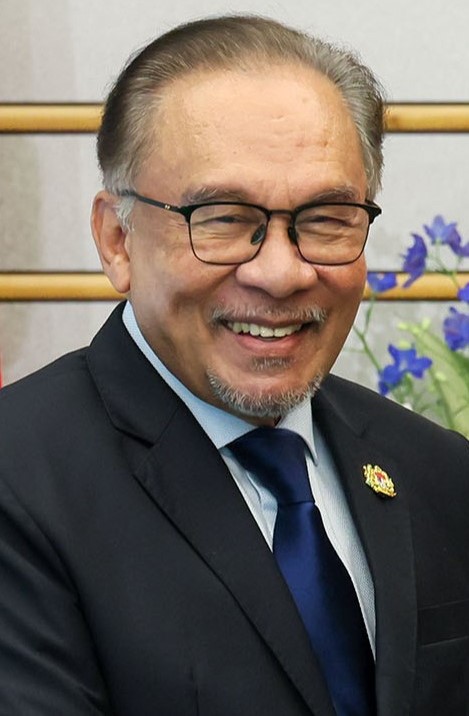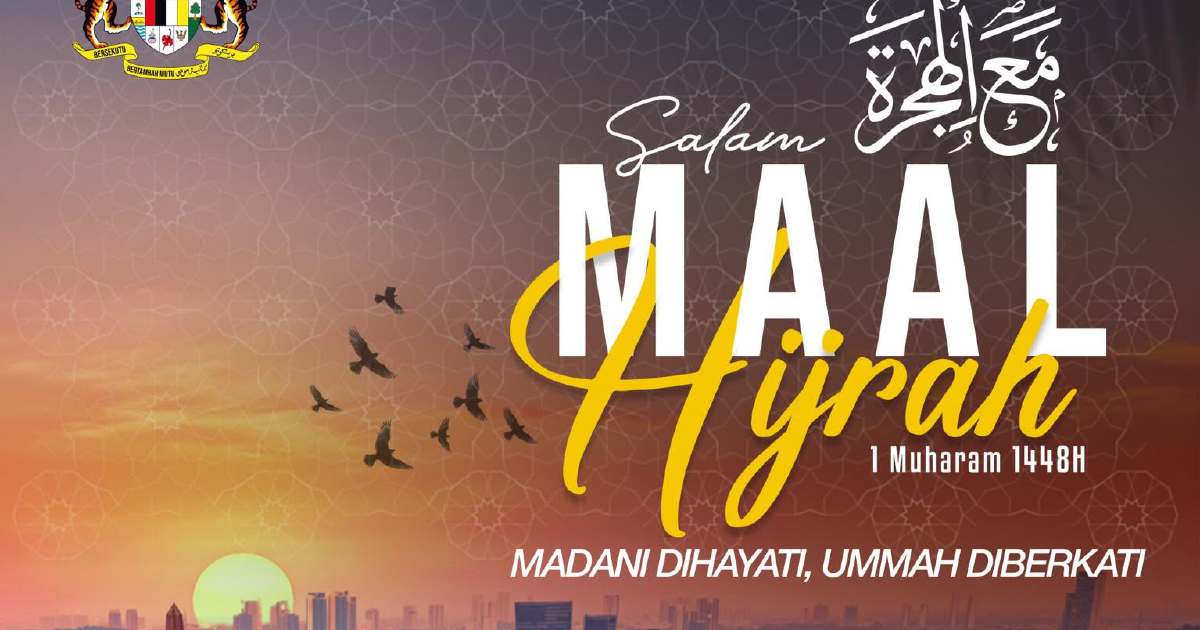
Prime Minister Datuk Seri Anwar Ibrahim has made a fresh appeal to Malaysians to adopt the principles underlying Hijrah—a concept rooted in the Islamic tradition of purposeful migration and transformation—as a framework for national progress and social cohesion. Speaking in Kuala Lumpur, the premier framed the Hijrah spirit not merely as a historical religious observance but as a living philosophy capable of guiding contemporary Malaysian society toward outcomes defined by truthfulness, economic advancement and protective security.
The invocation of Hijrah as a national rallying point carries particular weight in Malaysia's multiethnic and multifaith context. Where the term might carry primarily theological significance in other contexts, Anwar's framing suggests a universal humanistic dimension—one that emphasises shared values transcending religious boundaries. This interpretive approach aligns with the government's broader messaging around inclusivity and interfaith understanding, especially as Malaysia navigates questions about national identity and cohesion in an increasingly polarised regional landscape.
Truth, as Anwar positions it, represents the antidote to the misinformation and conspiracy narratives that have gained traction in Malaysian public discourse. The emphasis on verity in governance and public communication speaks to persistent concerns about institutional credibility, media manipulation, and the spread of falsehoods through digital platforms. By anchoring this virtue within a culturally resonant framework, the Prime Minister attempts to mobilise a moral consensus around transparency and accountability—principles that resonate across Malaysia's diverse constituencies while drawing upon shared historical and spiritual traditions.
The prosperity dimension of Anwar's appeal directly addresses the economic anxieties preoccupying ordinary Malaysians. With inflation pressuring household budgets, employment uncertainty affecting younger workers, and regional economic competition intensifying, the government faces mounting pressure to demonstrate concrete improvement in living standards. By linking Hijrah to prosperity, Anwar positions economic revitalisation not as a technocratic exercise but as a moral imperative rooted in values and tradition. This rhetorical move attempts to build consensus around difficult economic reforms that may require short-term sacrifice for longer-term gains.
Security, the third pillar of Anwar's trinity, encompasses both physical safety and societal stability. Malaysia has grappled with internal security challenges ranging from extremism to organised crime, while regional tensions—particularly in the South China Sea—create external pressures. The invocation of security within the Hijrah framework suggests a comprehensive vision of safeguarding not merely physical boundaries but also social cohesion and institutional integrity. This holistic understanding of security aligns with modern governance thinking that recognises threats spanning military, economic, and social domains.
The timing of this appeal warrants consideration. Malaysia's government continues managing internal coalition dynamics while addressing an increasingly assertive opposition. By articulating a vision rooted in shared cultural-spiritual values, Anwar seeks to position his administration as guardian of national interests and social harmony. The Hijrah concept, historically associated with purposeful transformation and leaving behind corrupting influences, carries implicit messaging about renewal and moving beyond past failures—a subtle but potent political reminder of the transition Malaysia has undergone since 2018.
However, the effectiveness of such appeals depends substantially on whether the government's policies and actions demonstrably reflect the virtues it espouses. Calls for truthfulness carry limited credibility without sustained institutional reform. Prosperity messaging rings hollow if unemployment persists and wage growth remains stagnant. Security frameworks prove inadequate if corruption continues eroding institutional capacity. Malaysian publics, increasingly media-literate and sceptical of purely rhetorical leadership, will evaluate these principles against tangible outcomes in their daily lives.
For Malaysia's significant non-Muslim populations, the reception of such messaging presents a nuanced calculus. Anwar's interpretive approach—emphasising universal human values within an Islamic conceptual framework—attempts to bridge potential divides. Yet the boundaries of inclusive interpretation remain contested terrain in Malaysian politics, where questions about religious symbolism in civic space periodically generate tension. The success of such messaging depends partly on how consistently the government operationalises these principles across all communities.
Regionally, Malaysia's embrace of the Hijrah spirit also carries implications for positioning within Southeast Asia. As the region navigates geopolitical repositioning and economic competition from larger powers, Malaysia's articulation of a value-driven national vision contributes to broader conversations about what Southeast Asian nations stand for. Anwar's emphasis on truth, prosperity and security resonates with similar aspirations articulated by other regional governments, even as specific implementations vary considerably.
The conceptual framework Anwar has articulated also invites comparison with other nation-building narratives deployed across Asia. Whether rooted in Confucian principles, Hindu-Buddhist traditions or Islamic values, most East and Southeast Asian governments have sought to anchor modern governance within culturally meaningful philosophical systems. This approach reflects recognition that purely instrumental or technocratic justifications for state authority lack the mobilising power of narratives connecting contemporary politics to deeper reservoirs of shared meaning and heritage.
Moving forward, the substantive challenge for Malaysia's government involves translating these rhetorical appeals into institutional reforms, policy implementations and measurable improvements in governance quality. The Hijrah spirit, as articulated by Anwar, demands not merely intellectual assent but demonstrated commitment through action. Whether his administration can deliver on this ambitious framing will significantly shape Malaysia's trajectory toward the prosperity, truth and security his vision promises.