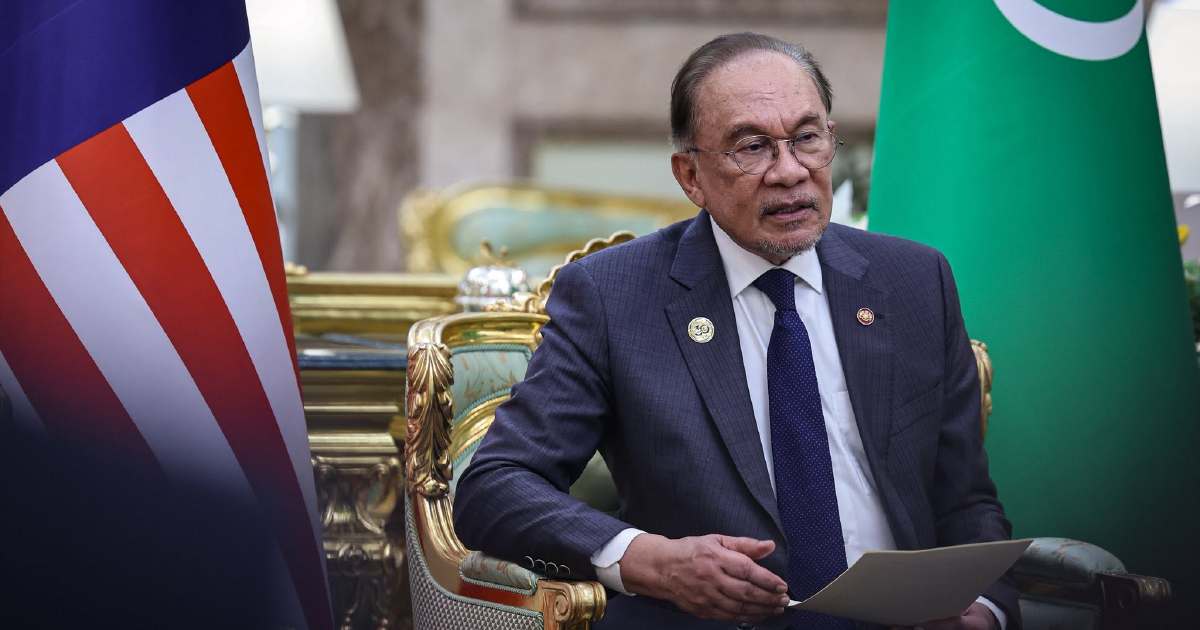
Prime Minister Anwar Ibrahim has expressed strong support for a significant accord reached by Petronas to develop gas resources in Turkmenistan, marking another milestone in the Malaysian energy giant's international expansion strategy. The breakthrough agreement underscores Petronas's capacity to secure major energy partnerships beyond Southeast Asia and positions Malaysia as a credible player in the competitive global energy sector.
Turkmenistan, a nation sitting atop vast natural gas reserves in the Caspian Sea region, has long sought partnerships with experienced international operators capable of advancing its hydrocarbon development agenda. Petronas's involvement signals confidence from Central Asian authorities in the Malaysian company's technical expertise and operational track record, particularly given the complexity of offshore gas extraction in challenging environments. The deal reflects the national oil company's strategic positioning as a regional energy leader willing to venture into emerging markets where expertise commands premium value.
For Malaysia, such international projects carry tangible economic benefits beyond direct revenue streams. Petronas's successful overseas ventures generate foreign exchange, create high-skilled employment opportunities for Malaysian engineers and technicians, and enhance the nation's technological reputation in energy infrastructure. The company's presence in Turkmenistan also opens pathways for related service industries—from specialized equipment manufacturing to financial services—to expand their international footprint and capture emerging market opportunities.
The deal assumes particular significance within Malaysia's broader energy security framework. While the country maintains substantial domestic hydrocarbon reserves, diversifying Petronas's asset portfolio across multiple geographies insulates national revenues from regional market volatility and geopolitical shocks. Income streams from Central Asian operations provide a financial cushion during periods when Southeast Asian energy prices or production volumes face downward pressure. This geographic diversification becomes increasingly important as the global energy transition accelerates and fossil fuel demand patterns shift unpredictably.
Turkmenistan's geography presents both advantages and challenges for energy developers. The country possesses some of the world's largest proven natural gas reserves, yet infrastructure limitations and regional market constraints have historically hindered rapid development. International partnerships with companies possessing capital, technology, and market access—precisely the attributes Petronas brings—have become essential to unlocking these resources. The Malaysian company's track record in Southeast Asian deepwater and complex gas operations positions it favourably to navigate technical challenges in Central Asian fields.
Anwar's public endorsement of the Petronas agreement reflects the government's confidence in leveraging the national oil company as an instrument of economic diplomacy and revenue generation. Malaysian political leadership recognises that state-owned enterprises operating at international scale enhance national prestige and soft power, particularly among developing nations seeking energy partnerships with trustworthy operators. Petronas's reputation for professional management and technical competence becomes an asset for Malaysian foreign relations in regions where energy cooperation carries strategic weight.
The timing of this agreement coincides with global scrutiny of energy supply chains and the search for alternatives to traditional suppliers in Europe and Asia. While Turkmenistan has traditionally oriented its gas exports toward Russian and Chinese markets, partnerships with diverse international operators like Petronas reflect a subtle hedging strategy. Developing multiple revenue streams and operational partners reduces dependency on any single market pathway and provides flexibility as geopolitical alignments shift across Central Asia.
From an investment perspective, Petronas's deepening involvement in Turkmenistan demonstrates management confidence in near-to-medium-term fossil fuel demand, despite global energy transition narratives. The company's willingness to commit capital to long-cycle offshore gas development suggests internal assessments that traditional hydrocarbons will command meaningful market demand throughout project execution and operational lifespan. Such strategic choices by established energy corporations often provide indicators of private-sector expectations regarding energy demand trajectories that extend beyond climate transition rhetoric.
The Turkmenistan gas field development also holds implications for Malaysia's positioning within broader Central and South Asian geopolitical frameworks. As Beijing expands infrastructure investments across Central Asia through Belt and Road initiatives, Malaysian corporate engagement in energy projects offers an alternative model—one based on commercial partnership rather than systemic economic dependency. Petronas's involvement signals that Malaysian entities can compete in high-stakes international energy markets without compromising sovereignty or accepting asymmetrical commercial terms.
Regional energy markets will monitor how effectively Petronas executes this Turkmenistan project, as successful delivery could unlock additional opportunities across Central Asia's substantial hydrocarbon provinces. Kazakhstan, Uzbekistan, and other regional producers may look to the Malaysian company's experience and performance as reference points for future partnership opportunities. A well-executed Turkmenistan venture thus becomes a portfolio-building exercise that establishes Petronas credentials for accessing a resource-rich region where international operators remain relatively limited in number.
Looking ahead, this agreement suggests Petronas will pursue a balanced geographic strategy—maintaining dominant positions in Southeast Asian markets while gradually increasing exposure to international upstream projects where technical expertise commands premium valuations. Prime Minister Anwar's public support reinforces government backing for such expansion, ensuring Petronas possesses political cover and institutional resources necessary for sustained international engagement at levels rivalling global supermajors.

