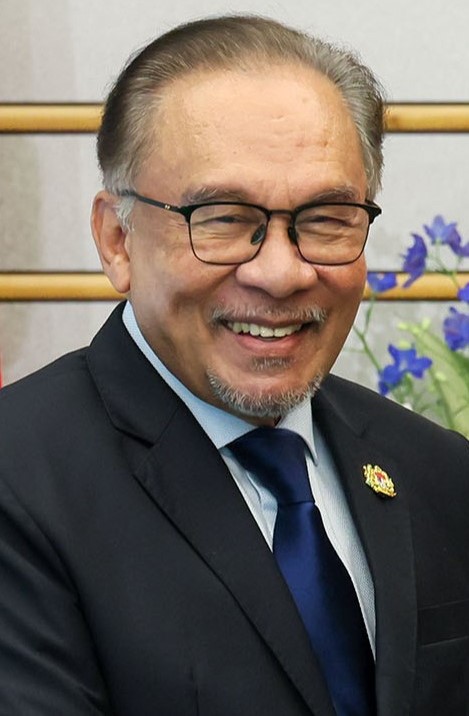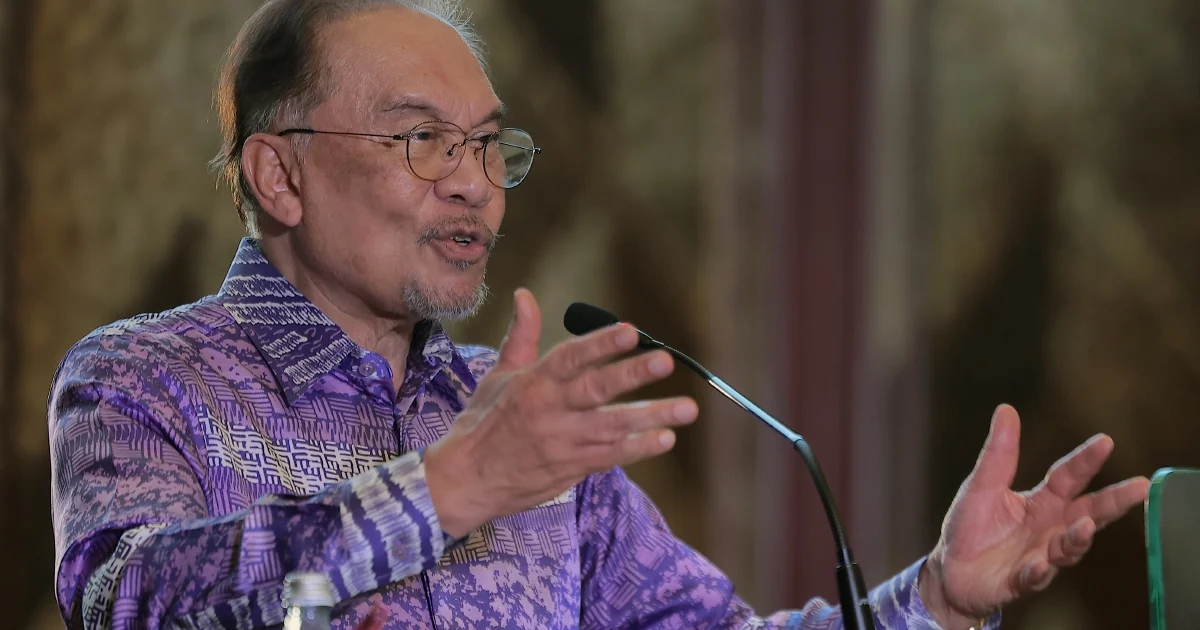
Prime Minister Datuk Seri Anwar Ibrahim is poised to embark on a two-day working visit to Kazan beginning June 17, during which he will hold meetings with Rustam Minnikhanov, the Rais of the Republic of Tatarstan, according to Malaysian diplomatic sources. The engagement represents a significant opportunity to advance Malaysia's strategic interests in the Russian Federation and to bolster broader Asean-Russia cooperation frameworks.
Kazan, the capital of Tatarstan and Russia's sixth-largest city, has emerged as an important economic and political hub within the Russian federation. Located in the Volga region, it serves as a bridge between European Russia and its Asian territories, making it a strategically valuable location for high-level diplomatic engagements. The selection of Kazan as the venue for this prime ministerial visit underscores the growing importance Malaysia places on developing relations with regional Russian authorities, beyond traditional Moscow-centred diplomacy.
Minnikhanov, who has led Tatarstan since 2010, is a powerful political figure within Russia's federal structure. As head of one of Russia's most economically dynamic regions, he wields considerable influence over investment decisions and regional foreign policy priorities. Tatarstan possesses significant oil and gas reserves, advanced manufacturing capabilities, and a diversified economy that presents opportunities for Malaysian businesses across multiple sectors. The planned bilateral meeting will create a platform for exploring trade partnerships, investment opportunities, and people-to-people exchanges.
The timing of Anwar's visit carries diplomatic significance, as it reflects Malaysia's commitment to maintaining robust engagement with Russia despite the complex geopolitical environment in which it operates. Malaysia, as a founding member of Asean and a significant Southeast Asian economy, occupies a unique position of maintaining constructive relations across multiple power centres. This balanced approach has enabled Malaysia to preserve economic ties and pursue mutual interests without compromising regional stability principles or Asean's centrality in regional affairs.
Bilateral Malaysia-Russia relations have traditionally focused on defence cooperation, trade, and cultural exchanges. However, recent years have witnessed a broadening of the engagement agenda to encompass energy security, technology partnerships, and tourism development. Russian investments in Malaysian sectors have grown gradually, while Malaysian companies have shown increasing interest in accessing Russian markets and resources. The Kazan visit provides an opportunity to crystallise these emerging areas of cooperation into concrete initiatives.
From an Asean perspective, the visit reflects broader efforts to strengthen regional bloc engagement with Russia. While Asean maintains a policy of non-alignment and actively engages with multiple external partners, Russia represents an important strategic counterbalance in a region where great power competition has intensified. Enhanced Asean-Russia ties in defence, energy, and economic domains contribute to regional autonomy and reduce dependency on any single external power. Malaysia's diplomatic efforts can help coordinate and amplify Asean's collective voice in dealings with Russia.
The working visit also holds implications for Malaysia's positioning within global geopolitical contests. As the Western-led international order faces increasing challenges, middle-power nations like Malaysia must navigate complex relationships carefully. Engagement with Russia, conducted transparently and consistent with international law and regional norms, demonstrates Malaysia's independent foreign policy approach. This strategic autonomy is particularly valued in the Southeast Asian context, where neighbouring states appreciate Malaysia's non-aligned stance.
Energy considerations feature prominently in Malaysia-Russia relations. Russia remains a significant global energy supplier, and Tatarstan specifically possesses substantial hydrocarbon resources. As Malaysia navigates its energy transition away from fossil fuels, maintaining pragmatic relationships with energy-rich nations allows for flexible energy sourcing and technological cooperation. Tatarstan has also invested in renewable energy and modern industrial technologies, areas where Malaysian companies could benefit from collaborative initiatives.
The diplomatic engagement scheduled for Kazan extends beyond immediate bilateral interests to encompass broader questions of regional stability and cooperation. In an era marked by competing visions of international order, the ability of Southeast Asian nations to maintain productive dialogues with major powers while advancing regional integration remains crucial. Anwar's visit demonstrates Malaysia's commitment to this delicate balancing act, pursuing national interests through quiet diplomacy and substantive engagement rather than grandstanding or ideological posturing.
Expectations surrounding the meeting likely include discussions on expanding trade volumes, identifying new sectors for investment, and exploring cultural and educational exchange programmes. Defence and security cooperation, including defence technology partnerships and military training arrangements, may also feature in conversations. Additionally, the discussions could address regional security challenges, with Malaysia potentially seeking to understand Russia's perspective on developments in Southeast Asia and beyond.
The visit also reflects Malaysian diplomatic sophistication in engaging with Russia's federal system. Rather than limiting engagement to Moscow-based institutions alone, Malaysia recognises that Russian regional governments like Tatarstan possess autonomous decision-making authority over significant economic matters. Building relationships with influential regional leaders creates multiple entry points for cooperation and demonstrates Malaysian understanding of Russia's complex political structure.
Looking forward, the Kazan visit may set the foundation for expanded institutional cooperation between Malaysia and Tatarstan, potentially including government-to-government working groups, business council formations, and civil society partnerships. Such structured frameworks can ensure continuity beyond individual diplomatic visits and create momentum for sustained engagement. For Malaysian observers, the trip represents a concrete manifestation of the nation's ability to maintain productive international relationships across diverse contexts while remaining anchored to core regional commitments through Asean.