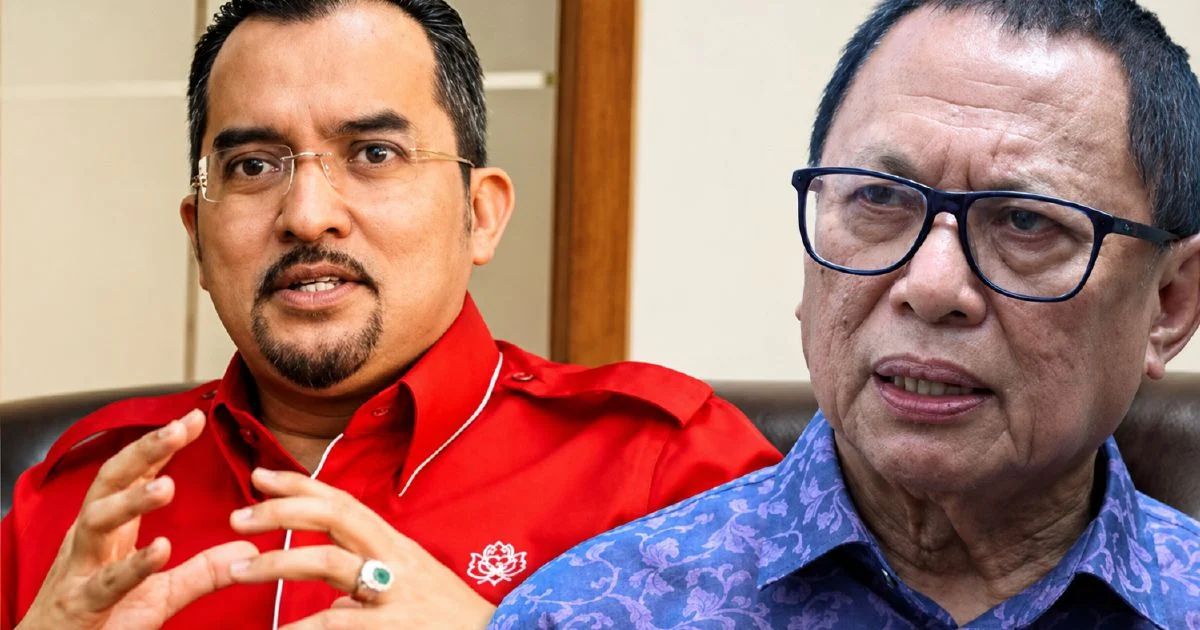
Umno secretary-general Datuk Dr Asyraf Wajdi Dusuki has mounted a vigorous defence against allegations raised by Datuk Dr Mohd Puad Zarkashi, who recently announced his resignation from the ruling party amid what observers describe as mounting internal tensions within Malaysia's largest Malay-Muslim political organisation.
The exchange between two prominent Umno figures underscores the fractures emerging within the party's senior echelon, a development that carries significant implications for the stability of Malaysia's political landscape. As the party navigates what analysts characterise as a critical transitional phase, internal discord among key leadership figures risks undermining Umno's cohesion and public standing ahead of potential electoral contests.
Puad Zarkashi's departure represents more than a routine resignation; it signals dissatisfaction with party direction or internal dynamics that he evidently felt warranted a public break. The fact that a figure of his stature chose to exit rather than remain within the fold suggests substantive disagreements that extend beyond routine factional jostling. His decision to voice concerns publicly, rather than quietly departing, indicates an intention to lay out grievances for party members and the broader electorate to evaluate.
Ayraf Wajdi's forceful response attempts to neutralise the narrative that Puad Zarkashi has constructed around his resignation. By pushing back aggressively rather than adopting a more measured tone, the secretary-general signals that the party leadership views these claims as requiring immediate, visible refutation. This approach carries risks, however, as heated exchanges between senior leaders can further erode party unity and signal weakness to both supporters and critics.
The invocation of palace matters in this dispute introduces a complicating dimension. References to royal institutions carry considerable weight in Malaysian political discourse, where the constitutional position of the monarchy remains a sensitive subject. Any allegations touching on palace involvement or royal perspectives necessarily resonate beyond routine party politics, potentially drawing attention from institutions that traditionally remain above partisan contestation. This escalation may explain why Asyraf Wajdi felt compelled to respond with particular vigour.
For Malaysian observers and Southeast Asian analysts, this rupture within Umno warrants careful attention. The party has historically served as the backbone of Malaysia's ruling coalitions, and internal stability within its ranks directly influences broader governance capacity and policy coherence. A weakened or internally divided Umno creates space for opportunistic manoeuvres by competing political forces and complicates implementation of government initiatives requiring cross-party or cross-coalition coordination.
The timing of this dispute matters considerably. Umno faces ongoing pressure to demonstrate relevance to younger voters and urban constituencies while maintaining support among traditional rural and Malay-Muslim bases. Leadership figures engaged in public quarrels project an image of distraction from substantive policy challenges, potentially accelerating perceptions that the party prioritises factional positioning over public service. This image problem extends beyond party membership to affect broader voter confidence.
Puad Zarkashi's specific allegations, whatever their precise nature, represent a challenge to Asyraf Wajdi's authority as secretary-general and stewardship of party administration. A secretary-general's effectiveness depends substantially on perceived competence and the capacity to maintain institutional order. Public accusations that question either dimension necessarily undermine his standing and invite further scrutiny of party operations from both internal critics and external observers.
The broader factional landscape within Umno likely shapes how this particular dispute evolves and concludes. Various factions within the party maintain distinct visions regarding organisational direction, leadership succession, and ideological emphasis. Depending on which internal factions view this controversy as advancing their interests, they may either amplify or contain the dispute. Such factional calculations often determine whether executive-level conflicts remain contained or metastasise into wider party fractures.
Regional observers note that Umno's internal stability holds significance for Malaysia's position within ASEAN and the wider Asian geopolitical environment. A politically unstable Malaysia, resulting from internal coalition breakdown or party fragmentation, creates governance challenges that ripple across bilateral relationships and regional arrangements. This consideration adds weight to the importance of managing internal party disputes expeditiously and restoring functional cohesion.
The resolution of this confrontation between Asyraf Wajdi and Puad Zarkashi will likely depend on mediation by senior party elders or appeals to collective party interests transcending individual grievances. Whether party leadership can orchestrate such reconciliation or containment remains uncertain, but the stakes extend well beyond the two individuals involved. Umno's trajectory in coming months will substantially influence Malaysia's political dynamics and the country's capacity to address governance challenges with unified purpose.

