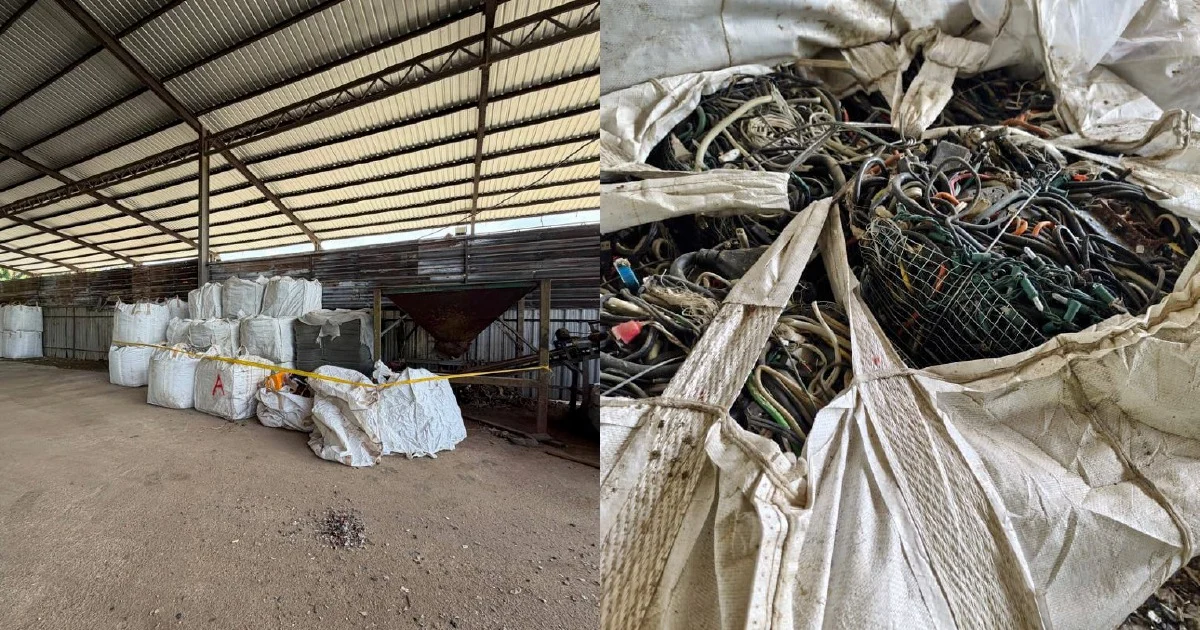
Law enforcement personnel descended on a facility in Bukit Mertajam yesterday in a carefully coordinated operation that resulted in the seizure of contraband electronic waste estimated to be worth RM3 million. The raid targeted what authorities identified as an unlicensed operation engaged in the collection, processing, and storage of hazardous discarded electronics, representing a significant breach of environmental protection regulations and waste management standards.
Five individuals were arrested in connection with the illegal enterprise, taken into custody for suspected involvement in the unlawful handling of e-waste materials. These arrests mark another chapter in intensifying enforcement efforts against the underground e-waste trade that has become increasingly prevalent across the country. The operation underscores the growing challenge that environmental agencies face in tracking down and shutting down rogue recycling operations that operate without proper licensing or oversight.
The confiscated materials recovered during the raid comprised an extensive collection of discarded electronic equipment and components that had accumulated at the facility. Authorities documented the range and volume of seized items as part of building their case against the alleged operators. The facility itself, located in the Bukit Mertajam industrial area, had apparently been operating without the requisite environmental permits or compliance certifications that would legitimize such an operation.
The seizure reflects mounting concerns among environmental regulators about illegal e-waste processors who sidestep expensive compliance requirements and proper disposal protocols. These unlicensed operations often extract valuable metals from electronics in crude, uncontrolled conditions that expose workers to toxic substances and contaminate surrounding soil and water sources. By avoiding legitimate processing channels, such facilities externalize environmental and health costs onto communities, particularly in industrial zones where vulnerable populations may reside nearby.
Malaysia has grappled with the proliferation of illegal e-waste networks as regional consumption of electronics surges and formal recycling capacity struggles to keep pace with waste volumes. The domestic electronic waste stream continues to expand as consumer electronics become more affordable and replacement cycles accelerate, yet the infrastructure for responsible e-waste management remains underdeveloped relative to the quantities generated. This supply-demand imbalance has created profitable opportunities for criminal entrepreneurs operating outside regulatory frameworks.
The incident in Bukit Mertajam exemplifies a pattern observed across urban and semi-urban areas throughout Peninsular Malaysia and beyond. Enforcement agencies have repeatedly identified similar illegal processors operating from converted warehouses, abandoned factories, and makeshift facilities in industrial zones. These sites typically lack environmental safeguards, proper ventilation systems, chemical containment measures, and worker protection equipment that legitimate recyclers must implement.
Beyond the immediate environmental threat, illegal e-waste operations disrupt the legitimate recycling industry by undermining fair competition and undercutting licensed processors who invest substantially in compliance infrastructure and staff training. Authorized recyclers operate within stringent regulatory frameworks that mandate proper handling of hazardous materials, worker safety protocols, and environmental monitoring—expenses that illegal operators simply ignore, providing them with unfair economic advantages.
The five arrests serve notice that authorities are escalating enforcement activities against these operations. Environmental protection agencies have recently coordinated more aggressive investigation and intelligence-gathering efforts to identify and locate illegal facilities before they accumulate massive quantities of material. The RM3 million valuation attached to yesterday's seizure suggests that the facility had been operating for a sustained period, accumulating significant inventory over months or potentially years.
The seizure also highlights the importance of supply-side interventions in tackling e-waste crime. While consumer awareness campaigns encourage responsible disposal, many individuals and businesses still resort to informal channels or illegal processors because of cost considerations or inconvenience. Expanding the accessibility and affordability of licensed e-waste collection and recycling services, particularly in suburban and smaller urban areas, could reduce the economic incentive driving demand for illicit alternatives.
Regional cooperation in addressing e-waste trafficking has begun to develop, with Southeast Asian nations increasingly recognizing that transnational e-waste flows complicate domestic enforcement efforts. However, the prevalence of operations like the one discovered in Bukit Mertajam suggests that illicit processors continue to flourish despite regulatory attention. Sustained investment in enforcement resources, technological capacity for monitoring suspect facilities, and coordination across jurisdictional boundaries will be essential to meaningfully curb the illegal e-waste trade.
The case also underscores the financial stakes involved in e-waste processing, legitimate or otherwise. The materials seized—containing precious metals, copper, aluminum, and other recoverable components—command substantial market value when properly extracted and refined. This economic reality drives both legitimate recycling investment and criminal activity, making the e-waste sector a continuing focus for regulators seeking to channel valuable material flows toward authorized handlers and away from illicit operations.