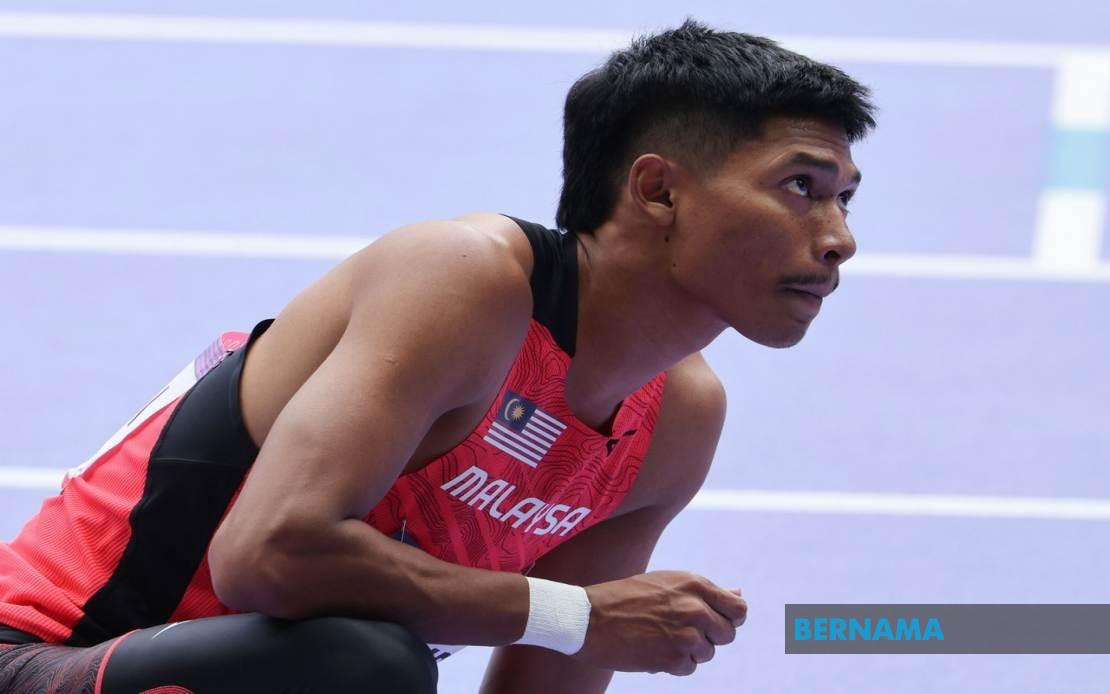
Muhammad Azeem Mohd Fahmi, Malaysia's national 100-metre record holder, has made a significant career decision to remain in the country after concluding his four-year academic journey at Auburn University in the United States. The 22-year-old sprinter, who holds the national mark of 10.09 seconds, indicated his firm intention to forge ahead with his athletic pursuits on home soil rather than pursue further opportunities overseas.
Having recently completed his studies at the American institution, Azeem cited family considerations as the primary driver of his choice to base himself in Malaysia. The extended period spent abroad has created a meaningful gap that the athlete is eager to address by reconnecting with his loved ones and investing in those personal relationships that sustained him through his university years. This decision reflects a broader sentiment among young Malaysian athletes who, after periods of international training and education, recognise the importance of maintaining strong ties to their support networks back home.
In his remarks to the media, Azeem articulated a deeply reflective understanding of how his progress as a sprinter has been shaped by the contributions of those around him. Beyond his immediate family, he specifically acknowledged the influence of his parents, siblings, coaches, and friends—a recognition that underscores how elite athletic achievement is fundamentally a collective endeavour rather than an individual pursuit. This perspective has prompted him to invest his immediate future in Malaysia, where these key figures remain present and engaged in his development.
The sprinter's training structure moving forward represents a thoughtfully orchestrated blend of international expertise and local oversight. His American coach, Ken Harnden, will continue designing the comprehensive training programme that has contributed to Azeem's national record performance, ensuring continuity with the methodology that proved effective during his university years. Simultaneously, local coach Muhammad Amir Izwan Tan Abdullah will assume day-to-day responsibility for supervising the athlete's work, providing on-ground guidance and adaptation of the training protocols to Malaysia's specific environmental and facility conditions.
This hybrid coaching arrangement reflects practical considerations that many Malaysian athletes face when transitioning from overseas training environments back to domestic settings. The combination allows Azeem to retain the high-level programming that elevated him to national record-holder status while benefiting from a coach who understands the nuances of training in Malaysia's tropical climate and local athletic infrastructure. Such arrangements have become increasingly common as Malaysian sports development seeks to bridge international standards with homegrown expertise.
Beyond his immediate focus on athletics, Azeem harbours longer-term academic aspirations that he is deliberately sequencing thoughtfully. He has expressed interest in pursuing postgraduate education and obtaining a master's degree, yet he recognises that attempting to juggle this commitment with serious athletic training could compromise his performance in both domains. This maturity in prioritisation demonstrates how contemporary athletes increasingly understand that peak performance requires undivided attention during critical developmental phases.
Azeem's decision carries broader implications for Malaysia's athletics programme, particularly in sprint events where international competition remains intense. The retention of a national record holder at the critical age of 22, when athletes typically enter their prime competitive years, represents a significant asset for domestic track and field development. His presence in Malaysia signals confidence in the country's coaching infrastructure and training facilities, potentially encouraging other Malaysian athletes abroad to consider returning home for their peak competitive years rather than pursuing permanent relocation overseas.
The timing of Azeem's decision also reflects evolving patterns within Southeast Asian athletics. Several neighbouring countries have implemented programmes specifically designed to attract their diaspora athletes back home, recognising that brain drain—or in this case, athletic talent drain—hampers regional competitive capacity. Malaysia's ability to retain young, internationally-trained athletes like Azeem strengthens the foundation for developing competitive teams for regional championships and international competitions including the Olympics.
Looking ahead, Azeem's four-month break before fully committing to intensive training provides a strategic window for physical recovery and mental refreshment following his university years. This period will allow him to adapt to living in Malaysia while maintaining general fitness, ensuring that when his concentrated training phase begins under the combined direction of Harnden and Muhammad Amir Izwan Tan Abdullah, he approaches the work cycle in optimal condition. The deliberate pacing of his return to high-performance athletics reflects contemporary sports science understanding about the importance of recovery and periodisation in sustaining long-term athletic careers.
For Malaysian athletics, Azeem's commitment to pursuing his sprinting career domestically opens opportunities for knowledge transfer and programme development. His experience at Auburn University, exposure to international coaching methods, and performance data from training at a top-tier American institution can inform how Malaysia structures its own elite athlete development pathways. As he settles into his new training regime, the competitive results he achieves will serve as a barometer for the effectiveness of Malaysia's hybrid approach to coaching and athlete development at the national level.

