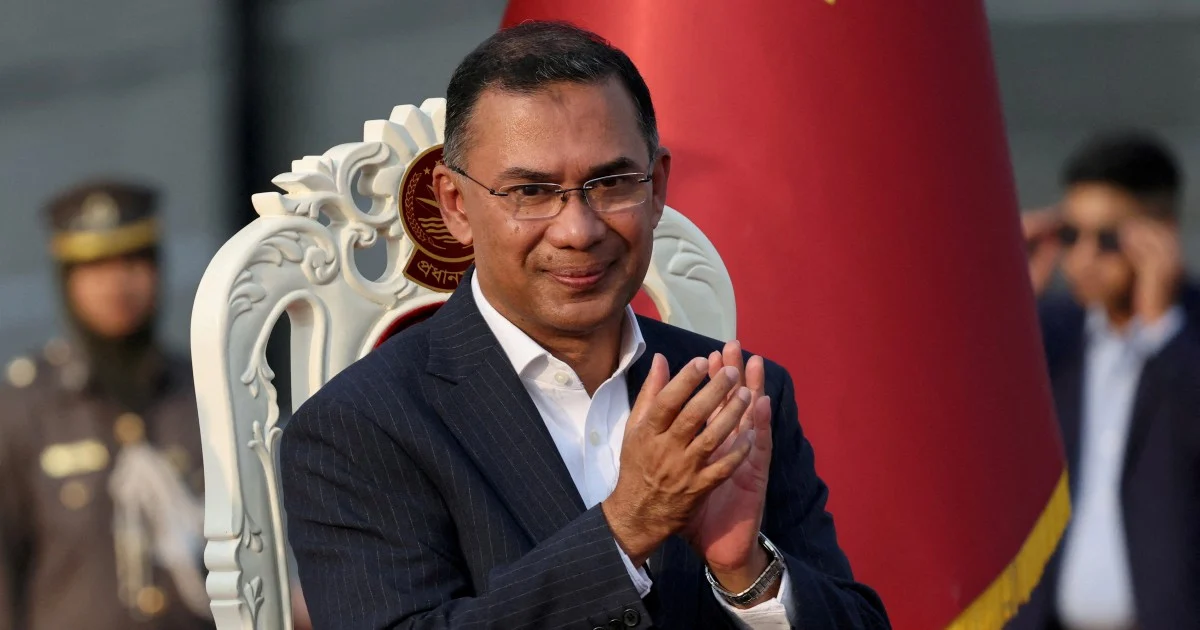
Bangladesh Prime Minister Tarique Rahman touched down at Sepang today, marking the beginning of an official visit intended to reinvigorate diplomatic ties between Kuala Lumpur and Dhaka at a critical moment for regional stability and economic integration. The visit underscores the significance both nations place on direct engagement at the highest political level, particularly as Southeast Asia navigates complex geopolitical and economic challenges that demand coordinated responses from fellow members of the Association of Southeast Asian Nations and the broader Indo-Pacific community.
The timing of Rahman's journey to Malaysia carries particular weight given the evolving political landscape across South and Southeast Asia. Bangladesh, as the gateway between South Asia and the ASEAN region, occupies a strategically important position that influences trade corridors, maritime security arrangements, and regional diplomatic dynamics. Malaysia's role as a bridge nation with deep connections to both the Islamic world and the Southeast Asian community makes it a natural partner for substantive bilateral engagement on matters ranging from economic cooperation to people-to-people exchanges.
Official bilateral relations between the two countries have historically encompassed defence partnerships, trade initiatives, and cultural cooperation. The current visit is expected to explore expanded mechanisms for collaboration, particularly in sectors where both nations possess complementary strengths and shared developmental objectives. Such high-level visits typically serve as platforms to assess the health of existing agreements and to identify emerging opportunities for mutual benefit that reflect changing national priorities and regional circumstances.
Economic cooperation features prominently in Malaysia-Bangladesh relations, with significant bilateral trade flows and investment linkages already established between Malaysian and Bangladeshi enterprises. The visit provides an opportunity to review performance under existing frameworks and to discuss potential new arrangements in sectors such as manufacturing, agriculture, technology, and renewable energy. For Malaysia, Bangladesh represents an important market and production base within South Asia, while Bangladeshi investors view Malaysia as a gateway to ASEAN-wide opportunities and expertise in various industrial sectors.
Defence and security cooperation represents another crucial dimension of bilateral engagement. Both nations face maritime security challenges, transnational terrorism concerns, and the need to safeguard their territorial waters and economic zones. Discussions during the visit are likely to address cooperation mechanisms in intelligence sharing, naval operations, and regional maritime security initiatives that contribute to stability in the Bay of Bengal and surrounding waters. These defence ties reflect shared recognition that peace and security are prerequisites for economic development and prosperity.
The cultural and people-to-people dimension of Malaysia-Bangladesh relations extends beyond official channels. Substantial Bangladeshi communities reside in Malaysia, many engaged in economic activities and contributing to Malaysian society. Simultaneously, Malaysian companies and organizations maintain significant presences across Bangladesh. The visit provides space for discussions on facilitation of travel, worker protections, and initiatives that strengthen understanding and cooperation between the populations of both countries, fostering goodwill that underpins long-term diplomatic relations.
Regional diplomatic coordination increasingly influences bilateral agenda-setting between ASEAN member states and their South Asian neighbours. Bangladesh's membership in various regional forums and its position as a bridge between South Asian Association for Regional Cooperation and ASEAN create opportunities for coordinated action on transnational issues including climate change, disaster management, and development financing. Malaysia and Bangladesh can amplify their voices and resources when working collaboratively on such shared challenges within multilateral frameworks.
The visit also reflects broader strategic shifts in how nations approach partnership development in an era of competing great power influences and economic interdependence. Both countries seek to maintain autonomous foreign policies while building pragmatic relationships based on mutual interest rather than ideological alignment. This approach allows for flexibility in addressing issues that matter most to their respective populations and development objectives without compromising core principles or sovereignty.
Bilateral infrastructure and connectivity projects form another likely area of discussion. As global supply chains restructure and nations seek to develop regional value chains less dependent on distant sources, cooperation between Malaysia and Bangladesh in logistics, transport corridors, and digital connectivity gains significance. Enhanced connectivity can facilitate trade growth, reduce transaction costs, and create new opportunities for entrepreneurs and workers in both countries.
Educational exchange and human resource development initiatives typically feature in comprehensive bilateral engagement. Malaysian universities attract Bangladeshi students, while scholarship programmes and training opportunities supported by Malaysian institutions contribute to capacity building in Bangladesh. These educational ties create networks of mutual understanding and professional relationships that strengthen broader diplomatic connections and facilitate future collaboration.
The visit comes at a moment when both nations are reassessing their regional strategies and seeking to strengthen partnerships that reflect their development priorities. Rahman's presence in Malaysia signals commitment to deepening the relationship at a time when both countries face pressures to demonstrate concrete benefits to their citizens through improved economic opportunities and enhanced regional stability. The outcomes of this visit will likely set the trajectory for bilateral engagement over the coming years.

