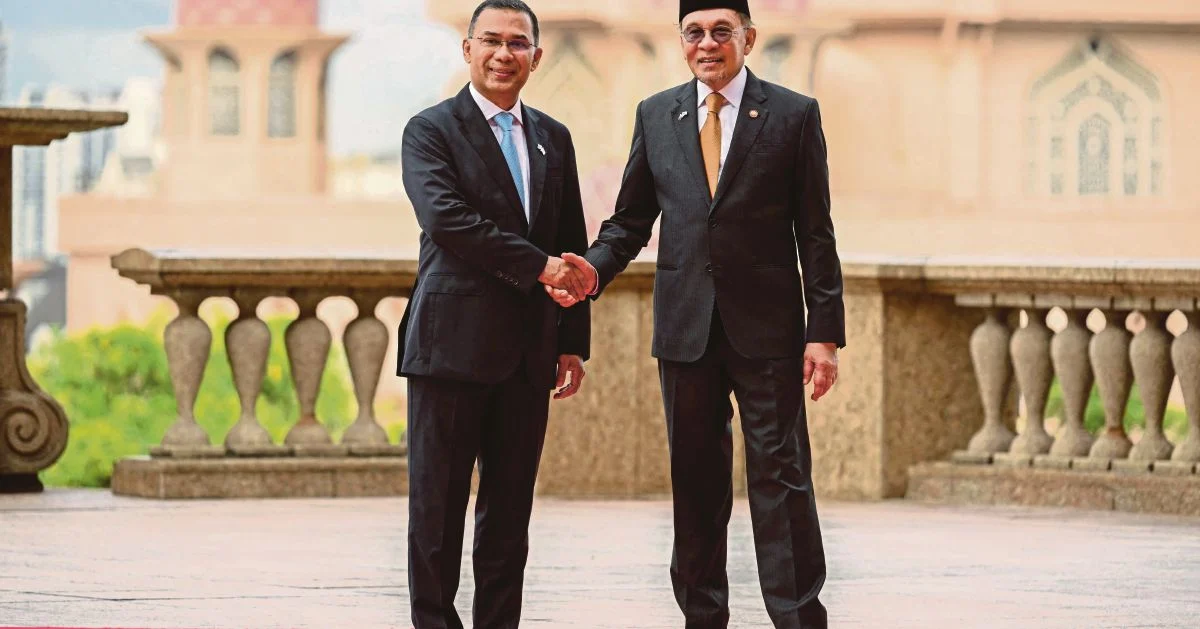
Bangladesh Prime Minister Tarique Rahman wrapped up his inaugural state visit to Malaysia on Monday with a formal pledge to expand cooperation with his Malaysian counterpart Datuk Seri Anwar Ibrahim. The commitment signals both nations' determination to build upon existing frameworks and explore fresh avenues for collaboration across diplomatic, economic, and security spheres. Rahman's visit represents a significant moment for bilateral relations, particularly given his recent assumption of office following Bangladesh's political transition.
The Bangladesh leader's focus on multifaceted partnership reflects the breadth of shared interests between Kuala Lumpur and Dhaka. Beyond traditional diplomatic channels, the two nations are positioned to deepen engagement in trade and investment, defence cooperation, people-to-people exchanges, and regional security matters. For Malaysia, strengthened ties with Bangladesh carry strategic weight given its growing influence in South Asia and its role within regional groupings such as the Bay of Bengal Initiative and BIMSTEC.
Rahman's emphasis on working closely with Anwar underscores the importance both leaders place on personal rapport in driving bilateral agendas forward. High-level visits of this nature typically serve as catalysts for unveiling new agreements or frameworks, allowing the two governments to signal their commitment to constituencies on both sides. The timing of Rahman's visit, coinciding with his early tenure as Prime Minister, suggests Bangladesh is keen to reset and energize its external partnerships following internal political developments.
Malaysia has long sought to strengthen its presence across South Asia, viewing Bangladesh as a critical partner given its geographic position, large Muslim-majority population, and growing economic significance. The country serves as a crucial link in Malaysia's broader connectivity and trade initiatives in the region. Closer bilateral relations can facilitate Malaysian business interests, particularly in sectors such as manufacturing, energy, and services where expertise and investment opportunities abound.
From Bangladesh's perspective, engagement with Malaysia offers access to Southeast Asian networks and expertise in economic development and governance. The relationship carries mutual benefits in addressing transnational challenges including maritime security, counter-terrorism cooperation, and humanitarian concerns. Both nations have substantial expatriate populations in each other's territories, making people-to-people diplomacy a natural extension of official relations.
The state visit also provides an opportunity to discuss regional stability and multilateral cooperation within the Association of Southeast Asian Nations (ASEAN) framework, where Malaysia plays an influential role. Bangladesh, though not an ASEAN member, maintains observer status with the bloc and has demonstrated interest in deeper institutional engagement. Enhanced coordination with Malaysia can facilitate Bangladesh's participation in regional mechanisms addressing challenges from climate change to maritime disputes in the Indian Ocean.
Rahman's commitment to work with Anwar comes at a moment when both governments are navigating complex domestic and regional environments. In Malaysia's case, political stability and economic diversification remain central concerns, while Bangladesh faces the task of consolidating democratic institutions and managing economic growth. Bilateral cooperation can provide mutual support in these endeavors through experience-sharing and collaborative problem-solving.
Trade and investment represent areas where both nations see immediate potential for expansion. Bangladesh's growing manufacturing sector and demographic dividend present opportunities for Malaysian investors and technology providers, while Malaysian companies seek opportunities in Bangladesh's infrastructure development and service sectors. Formal mechanisms and frameworks established during high-level visits typically remove barriers and create enabling environments for private sector engagement.
Defence and security cooperation constitutes another pillar of the relationship deserving closer attention. Both nations face similar maritime security challenges and share interests in safeguarding freedom of navigation and combating transnational crime. Joint training exercises, intelligence sharing, and capacity-building initiatives can enhance regional stability while strengthening military-to-military relations at operational levels.
Cultural and educational exchanges merit equal emphasis in strengthening people-to-people bonds that underpin state-to-state relations. Initiatives promoting student mobility, academic collaboration, and cultural programs help build understanding and generate goodwill among younger generations who will shape future relations. Such exchanges also contribute to soft power projection and enhance both nations' standing in the region.
Rahman's first state visit demonstrates that Bangladesh views Malaysia as a priority partner worthy of high-level diplomatic engagement early in his tenure. The symbolic and substantive dimensions of such visits serve to reinvigorate partnership frameworks that may have operated at routine levels. With clear political will now demonstrated from both leadership teams, implementing bodies can move forward on concrete initiatives ranging from joint committees to sectoral working groups.
Looking ahead, the success of this renewed partnership commitment will depend on follow-through at implementation levels and sustained engagement beyond ceremonial visits. Both governments will need to ensure that stated intentions translate into tangible outcomes across agreed priority areas. Regular high-level dialogue, institutionalized consultation mechanisms, and measurable progress benchmarks can help maintain momentum and demonstrate to their respective publics that the partnership delivers real benefits.

