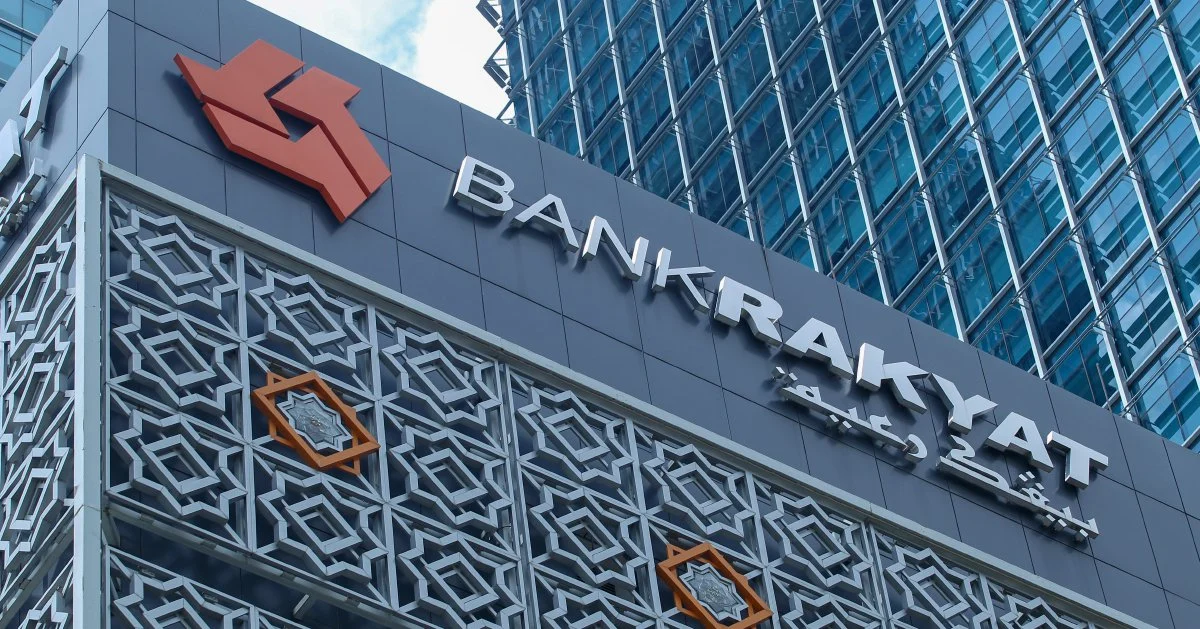
Bank Rakyat, one of Malaysia's leading Islamic financial institutions, has successfully tapped the Islamic bond market for RM300 million, capitalising on investor appetite for Shariah-compliant debt instruments to reinforce its capital foundations and support strategic expansion plans. The issuance forms part of the lender's broader RM5 billion subordinated sukuk Murabahah programme, a structured financing mechanism that allows the institution to access capital markets while maintaining compliance with Islamic financing principles.
The subordinated sukuk structure carries particular significance for Bank Rakyat's capital management strategy. As subordinated debt, these instruments sit lower in the repayment hierarchy than conventional liabilities, meaning they qualify as regulatory capital under Bank Negara Malaysia's capital adequacy framework. This classification enables the institution to maximise its Tier-2 capital ratios without immediately triggering additional deposit insurance obligations, making sukuk issuance an efficient tool for regulatory capital building.
Bank Rakyat's reliance on the sukuk market reflects broader industry trends across Southeast Asia, where Islamic finance has matured substantially over the past decade. Malaysian sukuk issuers have established themselves as among the most sophisticated participants in global Islamic debt markets, with the country functioning as a de facto hub for Shariah-compliant securities. The RM300 million placement demonstrates sustained institutional and retail investor confidence in Bank Rakyat's credit quality and medium-term business prospects.
For Malaysian investors and stakeholders, this capital-raising exercise carries broader implications for the institution's growth trajectory. A stronger capital position enables Bank Rakyat to expand its lending operations more aggressively, potentially offering competitive financing products to small and medium enterprises, retail customers, and underserved segments that form the backbone of the country's economic ecosystem. Enhanced capital buffers also provide additional headroom for provisioning against potential credit losses during economic downturns.
The RM5 billion sukuk Murabahah programme framework itself merits attention. By establishing a large facility before accessing it incrementally, Bank Rakyat achieves operational flexibility—it can issue tranches when market conditions are favourable without repeatedly seeking regulatory approval. This approach reduces issuance costs and administrative burden while allowing management to calibrate capital raises according to business needs. The programme structure suggests Bank Rakyat may tap markets again if growth opportunities accelerate or capital requirements increase.
From a financial stability perspective, Bank Rakyat's capital-raising activities contribute positively to Malaysia's banking sector resilience. Stronger capital positions across institutions reduce systemic risk and provide greater absorption capacity for economic shocks. In the post-pandemic era, when many banks have faced elevated credit costs and slower loan growth, proactive capital management through market issuances has become a hallmark of well-managed regional lenders.
The Islamic bond market context deserves closer examination. Malaysia's sukuk ecosystem has evolved dramatically since the framework's formal introduction in the early 2000s. Today, sukuk issuances routinely exceed conventional bond volumes, and the country's exchange, Bursa Malaysia, hosts the world's most diversified Islamic securities trading platform. Bank Rakyat's recent placement taps into this mature infrastructure, benefiting from established investor networks and standardised documentation that reduce borrowing costs.
Looking at Bank Rakyat's competitive positioning, the capital injection arrives at a strategic moment. Malaysian Islamic banking has become increasingly competitive, with both domestic players and international entrants vying for market share. A fully capitalised balance sheet allows Bank Rakyat to compete more aggressively on lending rates, expand branch networks, or invest in digital banking capabilities—all critical competitive advantages in today's retail banking environment.
The timing of this issuance also reflects management confidence in future earnings potential. Banks typically only raise capital when they anticipate strong loan demand or view their shares as fully valued. The decision to access bond markets rather than seek equity capital suggests Bank Rakyat's leadership believes organic earning growth can eventually strengthen capital ratios without excessive shareholder dilution—a positive signal for existing shareholders and potential investors evaluating the institution's long-term prospects.
International investors increasingly view Southeast Asian Islamic banks as diversification vehicles within broader portfolios, and Bank Rakyat's sukuk offerings appeal to this constituency. The RM300 million raise probably attracted participation from regional development banks, Gulf-based investment funds, and European asset managers seeking exposure to Islamic finance growth stories. This diversified investor base strengthens Bank Rakyat's funding stability and reduces reliance on domestic depositors alone.
Governance considerations also merit mention. By accessing public capital markets through sukuk issuances, Bank Rakyat subjects itself to market discipline and transparency requirements that exceed those for purely privately-held institutions. Investors scrutinise financial disclosures, credit metrics, and business strategy, creating implicit pressure for management to perform. This external accountability mechanism ultimately benefits depositors and stakeholders by aligning management incentives with long-term institutional health.
Looking ahead, Bank Rakyat's enhanced capital position positions it to navigate Malaysia's evolving financial landscape more effectively. Whether responding to regulatory changes, economic cycles, or competitive pressures, a well-capitalised balance sheet provides strategic optionality. The successful RM300 million sukuk placement demonstrates that markets remain receptive to quality Islamic bank issuances, suggesting further capital market access remains available should expansion plans accelerate or external circumstances demand additional financial flexibility.

