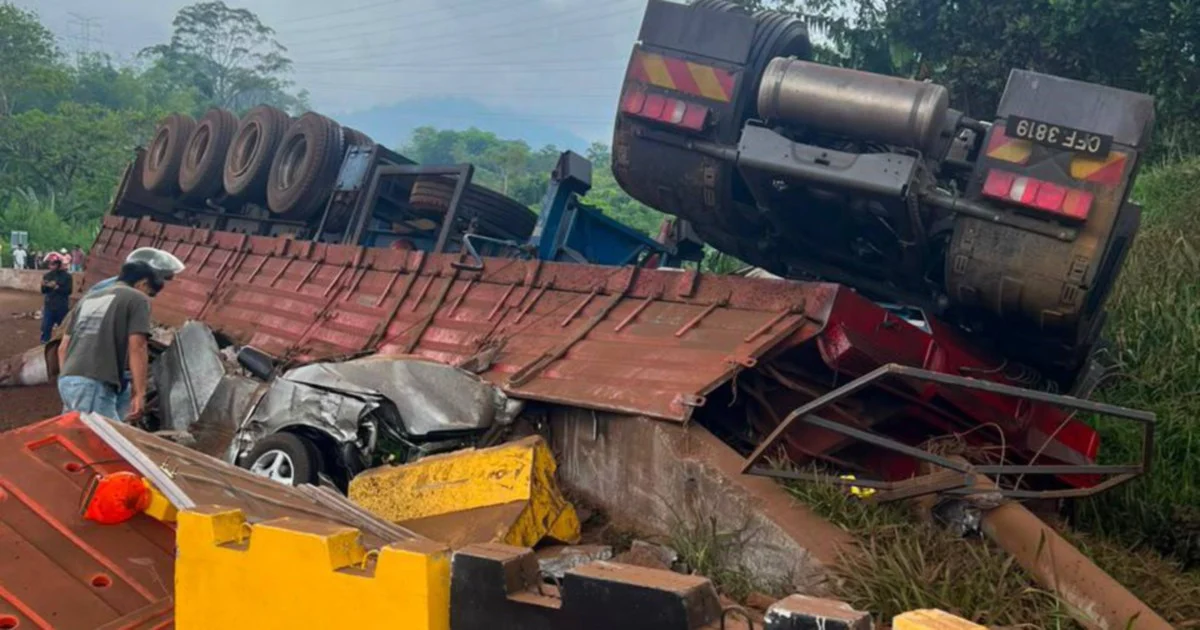
The driver of a trailer involved in a deadly highway incident near Bentong has secured bail as investigators continue their examination of the circumstances surrounding the crash on June 14. The incident, which occurred on the Karak Expressway, resulted in the deaths of four individuals, making it one of the region's more serious road tragedies in recent months. Authorities in Pekan indicated that the release was granted pending further prosecution as the police investigation progresses.
The granting of bail represents a standard procedural step in Malaysian criminal investigations, allowing the suspect to remain free while law enforcement gathers evidence and completes their inquiry. The decision by authorities suggests that investigators have sufficient grounds to pursue the matter further without requiring the driver's detention at this stage. This approach permits continued investigation while avoiding prolonged detention pending the outcome of the probe.
Highway safety has become increasingly critical across Malaysia and the broader region, particularly on major expressway corridors like the Karak route, which connects Kuala Lumpur and the east coast. Multiple-fatality accidents continue to strain emergency services and raise questions about vehicle maintenance standards, driver fatigue, and road conditions. The Karak Expressway, a vital commercial and passenger thoroughfare, experiences heavy traffic from both private vehicles and commercial transport, creating an environment where mechanical failures or human error can have catastrophic consequences.
The incident highlights the vulnerability of multi-vehicle interactions on high-speed highways, where the mass and momentum of heavy vehicles like trailers can amplify the severity of collisions. Trailers, often carrying substantial loads, require specialised handling and regular mechanical inspection to prevent failures that could contribute to accidents. Questions regarding pre-journey inspections, driver training, and hours of operation often emerge in investigations following fatal commercial vehicle crashes.
Police investigations into such incidents typically examine multiple factors, including vehicle condition, weather at the time, road surface quality, and the driver's physical condition and fatigue levels. Toxicology tests and blood samples form standard components of such inquiries. Evidence collection from the crash scene, vehicle examination, and witness statements all contribute to building a comprehensive picture of how the tragedy unfolded and whether negligence, mechanical failure, or other factors played a role.
The release of the driver on bail does not indicate guilt or innocence, but rather reflects the procedural mechanisms through which Malaysian law enforcement handles serious traffic incidents. The prosecution phase will determine whether charges proceed and on what grounds. Family members of the deceased may face considerable delays before resolution, as such investigations require meticulous documentation and often involve multiple agencies including traffic police, forensic teams, and medical examiners.
Commercial vehicle safety remains a persistent challenge across Southeast Asia, where large trucks and trailers share congested roads with passenger cars and motorcycles. Driver behaviour, vehicle maintenance standards, and enforcement of safety regulations vary considerably across the region. Malaysia has implemented various initiatives including the Road Transport Department's vehicle inspection programmes and the Highway Code's regulations governing commercial drivers, yet fatal incidents continue to occur at rates that concern public health authorities.
The Bentong incident contributes to ongoing discussions about whether additional measures are necessary to prevent similar tragedies. Some experts advocate for stricter enforcement of vehicle maintenance requirements, mandatory rest periods for drivers, and enhanced training programmes. Others point to infrastructure improvements and speed management systems as potentially effective interventions. The investigation's findings may influence policy discussions at the transport ministry level regarding road safety improvements.
For families affected by the June 14 collision, the investigation period may extend several months as all evidence is compiled and analysed. Legal proceedings in Malaysia following fatal accidents can be protracted, particularly when commercial operators and their liability insurance become involved. The outcomes of such cases often set precedents that influence how subsequent similar incidents are handled and what penalties are applied.
The bail decision allows the investigation to proceed without the complication of detention, potentially enabling investigators to gather statements and conduct interviews more efficiently. Police will continue examining the trailer's mechanical condition, maintenance records, and the driver's qualifications and recent work history. Witness accounts from other road users who observed the incident or its aftermath will contribute significantly to the final investigation report.
As authorities work through their inquiry, the incident serves as a sobering reminder of the dangers inherent in highway transportation, particularly involving heavy commercial vehicles. The Karak Expressway, like other major Malaysian expressways, experiences periodic fatal incidents that underscore the need for vigilance regarding both driver conduct and vehicle safety standards. The outcome of this investigation may influence public discourse around road safety policy in the coming months.

