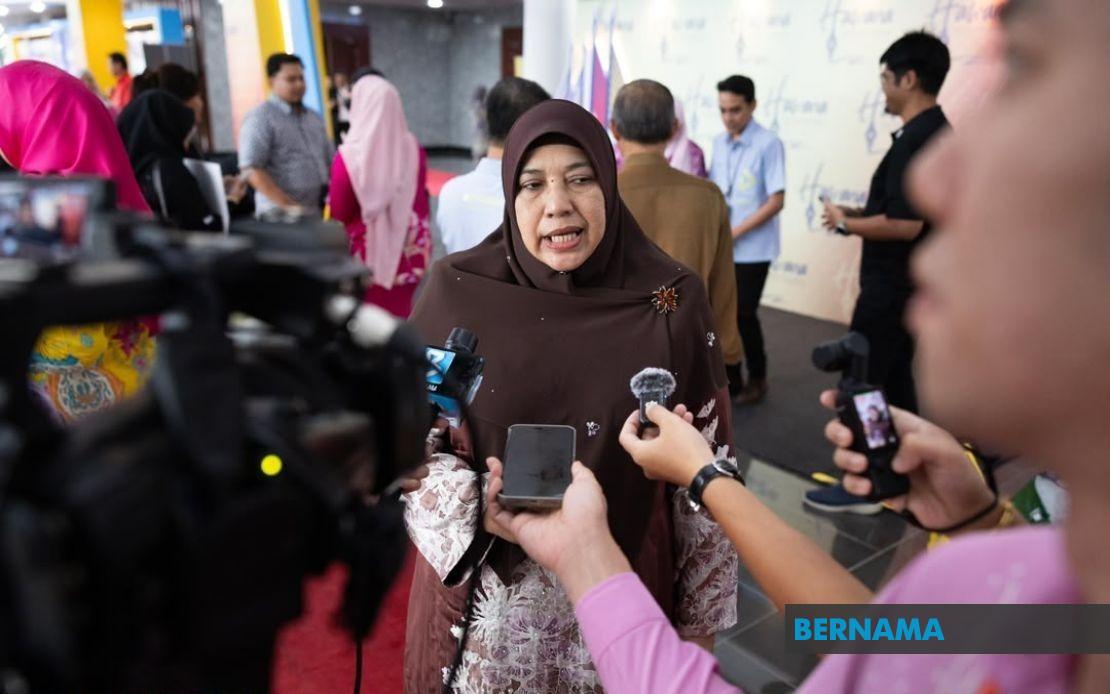
The Malaysian National News Agency (Bernama) has reinforced its credentials as a capable event organiser following the triumphant conclusion of the National Journalists' Day (HAWANA) 2026 Grand Finale in Penang this week. Held at PICCA Convention Centre @ Butterworth Arena, the event drew around 1,000 media practitioners, journalists, and international delegates from other ASEAN countries, underscoring the gathering's significance within the regional media landscape. The successful execution of this flagship occasion demonstrates that Bernama possesses the organisational sophistication and technical resources necessary to deliver complex, multi-faceted events of national importance.
What distinguishes this year's HAWANA celebration from previous iterations is the agency's ambitious decision to produce its inaugural live broadcast entirely through in-house capacity. Rather than outsourcing technical production to external vendors, Bernama personnel managed every aspect of the broadcast pipeline, from planning to execution. This shift represents a meaningful investment in institutional capability-building, particularly as media organisations globally navigate the evolving demands of digital content delivery. The achievement carries implications beyond a single event, suggesting that Bernama is positioning itself as a digitally sophisticated actor within Malaysia's media ecosystem, capable of competing with private sector broadcast operators.
Bernama Chief Executive Officer Datin Paduka Nur-ul Afida Kamaludin expressed considerable pride in the dedication demonstrated by staff members serving on various sub-committees responsible for different operational aspects. Her public acknowledgment of internal teamwork reflects a management approach that prioritises recognition of workforce contributions, a particularly important signal in large government agencies where morale and employee engagement often warrant heightened attention. The emphasis on in-house execution extends beyond broadcasting infrastructure; artificial intelligence-driven video production, poster design, and layout work were all completed by Bernama's own creative staff, circumventing the need for external design consultancies and reducing event costs while building internal expertise.
Nur-ul Afida outlined a strategic vision for future HAWANA celebrations that transcends the immediate success of the Penang edition. She articulated intentions to rotate hosting locations across different Malaysian states in subsequent years, creating opportunities for media professionals to strengthen professional networks while simultaneously generating awareness and appreciation for host communities. This approach mirrors best practices adopted by major international media conferences, which deliberately move venues to foster broader participation and distribute economic benefits associated with hosting large gatherings. For Malaysian states outside the Klang Valley, such events represent valuable opportunities to showcase local infrastructure and media ecosystems to national and regional peers.
The positive reception from attending media practitioners has already generated momentum for future iterations. Several journalists and media organisations have begun enquiring about next year's venue, a development that testifies to HAWANA's growing importance as an industry convening platform. This sustained interest contrasts with numerous government-sponsored programmes that struggle to maintain relevance beyond their inaugural editions. The vibrancy of attendee engagement suggests that HAWANA has successfully differentiated itself by providing genuine value to practitioners—whether through professional development opportunities, networking possibilities, or substantive industry discussions—rather than functioning merely as a bureaucratic obligation.
The 2026 edition proceeded under the thematic framework of "Media Integrity Strengthens Credibility," a conceptual anchor that carries particular resonance in Southeast Asia's contemporary information environment. As social media platforms amplify misinformation and audiences increasingly struggle to distinguish reliable reporting from manufactured content, institutional conversations about journalistic standards and ethical practices assume heightened urgency. HAWANA's commitment to these themes positions Bernama as an agency engaged not merely in news distribution but in actively promoting the conditions necessary for a functioning, trustworthy media ecosystem.
Prime Minister Datuk Seri Anwar Ibrahim's official presence at the Grand Finale, alongside Penang Chief Minister Chow Kon Yeow and Communications Minister Datuk Fahmi Fadzil, underscores the political significance attributed to the event. High-level government attendance at media industry gatherings carries multiple meanings: it signals government recognition of journalism's societal role, provides opportunities for senior officials to address industry concerns directly, and demonstrates commitment to press freedom and media development at the ministerial level. The presence of international participants from ASEAN nations also elevated the event's regional profile, positioning Malaysia's media community within a broader Southeast Asian context and facilitating cross-border professional exchanges.
Bernama's track record serving as implementing agency for HAWANA now extends to six consecutive years, a tenure that reflects sustained confidence from the Communications Ministry. The agency's expressed hope to maintain this responsibility into the future represents both gratification for past performance and cautious negotiation of continued institutional relevance. For a government news agency, maintaining high-profile event management portfolios serves multiple strategic purposes: it demonstrates capability and professionalism to political stakeholders, generates positive media coverage and public visibility, and provides opportunities for staff development and skill enhancement across multiple disciplines. The successful HAWANA 2026 execution strengthens Bernama's position in these negotiations.
The in-house development of technical and creative capabilities carries broader implications for Malaysia's media infrastructure. As government agencies invest in digital capacity and demonstrate willingness to compete with private sector providers, they potentially influence broader industry standards and practices. Bernama's AI-assisted video production and design work may establish templates or best practices that other organisations subsequently adopt. Additionally, building internal technical expertise reduces long-term dependency on external vendors and creates employment opportunities for creative professionals within government service, potentially attracting talent who might otherwise pursue private sector careers. The agency's demonstrated commitment to technological innovation may help rebrand Bernama as a forward-looking institution rather than a legacy news operation.

