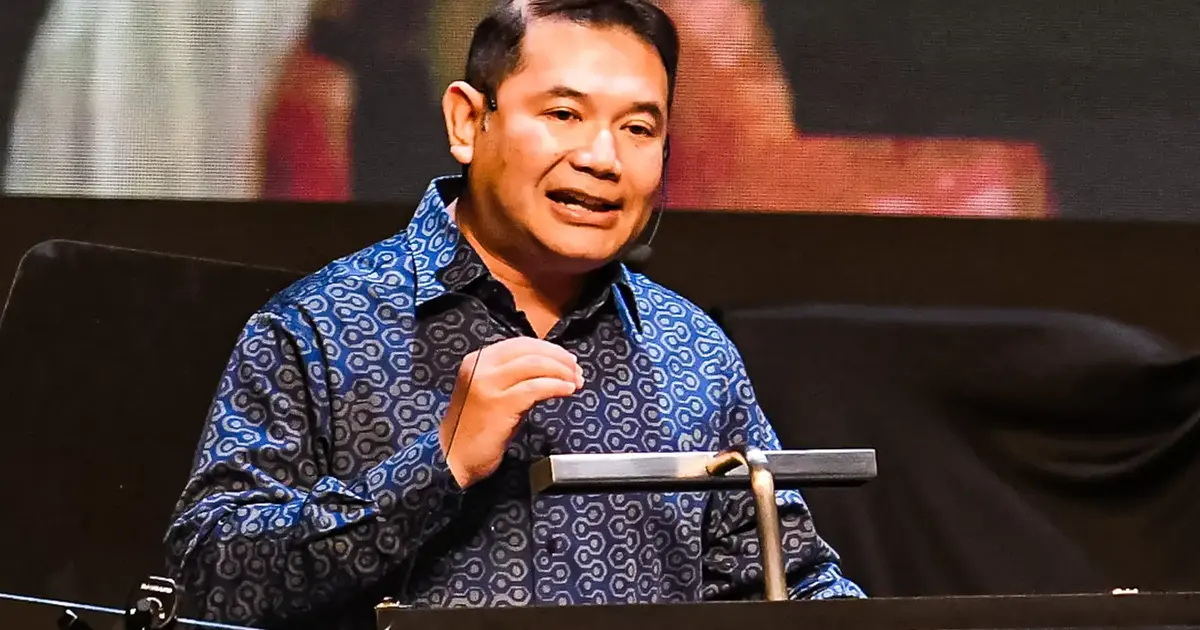
Parti Bersama Malaysia has concluded its candidate selection process for the Johor state election, with party leader Rafizi Ramli announcing that 73 volunteers have been approved to represent the party in the upcoming polls. The completion of the vetting and selection phase marks a significant step forward in the party's election preparations, setting the stage for the formal announcement of its full slate of contenders on Friday.
Rafizi, who heads the relatively newer political entity, indicated that the rigorous selection procedure has now reached its final stages. The announcement of shortlisted candidates scheduled for Friday will provide clarity on which individuals have made the cut from the pool of volunteers who stepped forward to contest under the Bersama Malaysia banner. This timing allows the party to move swiftly into its campaign phase and gives candidates adequate preparation time before polling day.
Bersama Malaysia's decision to field 73 candidates in Johor reflects the party's ambition to establish a meaningful presence in the southern state, traditionally dominated by established coalition partners. The sheer number of contestants suggests the party has cultivated grassroots support and attracted aspiring politicians willing to carry its platform into the electoral arena. This breadth of participation could signal growing interest in the party's political messaging among voters seeking alternatives to conventional political alignments.
The Johor state election has assumed considerable importance in Malaysia's broader political landscape, as electoral outcomes in the nation's second-largest state by population often reverberate across the country. Any gains made by emerging or repositioned parties like Bersama Malaysia could reshape state politics and influence coalition dynamics at the national level. The state's role as an economic and demographic heavyweight means that control of its assembly carries proportional weight in Malaysian governance discussions.
Bersama Malaysia's participation in the Johor contest arrives amid an evolving political environment where voters appear increasingly willing to consider parties beyond the traditional powerbrokers. The party's ability to mobilize 73 willing contestants demonstrates that it has succeeded in building organisational capacity and persuading individuals that its political project merits their candidacy. Whether these candidates can translate volunteer spirit into electoral victories will depend on their ground campaigns, local resonance, and the broader political currents favouring or disadvantaging the party's platform.
The selection process completion also raises questions about the party's resource allocation and campaign strategy. With 73 candidates to support across Johor's constituencies, Bersama Malaysia will need to marshal considerable financial and logistical resources to mount effective campaigns. The party's approach to distributing campaign materials, deploying experienced organizers, and amplifying its message across diverse constituencies will significantly impact whether its candidate numbers translate into seat gains.
For Malaysian voters, particularly those in Johor, Bersama Malaysia's expanded candidacy offers additional choice at the ballot box. The party's specific policy positions, leadership credentials, and vision for Johor's future will become clearer once formal campaign activities commence. Voters will be able to evaluate whether Bersama Malaysia offers substantive alternatives to existing political offerings or whether the party remains a fringe contender unlikely to alter the state's political composition.
The Friday announcement will also provide context regarding demographic diversity within the candidate slate and the party's approach to representing different community interests within Johor. Whether the 73 shortlisted candidates reflect gender balance, ethnic representation, and geographic spread across urban and rural constituencies will indicate how seriously Bersama Malaysia takes inclusive representation. Such details often influence how potential supporters perceive a party's commitment to serving diverse constituencies.
Bersama Malaysia's electoral ambitions in Johor must also be viewed against the backdrop of Malaysia's complicated coalition politics. The state election outcome could either reinforce existing power structures or contribute to shifts that reverberate through national politics. The party's ability to influence these dynamics, even if it does not win many seats, depends partly on its strategic positioning and the vote distribution across constituencies. Even modest electoral success in specific areas could create leverage in post-election negotiations if the overall results remain closely contested.
As Johor voters prepare for the election, the surfacing of 73 Bersama Malaysia candidates adds another layer to an already complex political contest. The coming weeks will reveal whether the party's organizational capacity extends beyond candidate recruitment to effective campaign execution. Rafizi and his team have clear targets to achieve in order to justify their electoral investment and convince the electorate that Bersama Malaysia deserves expanded representation in state governance and potentially at the federal level.

