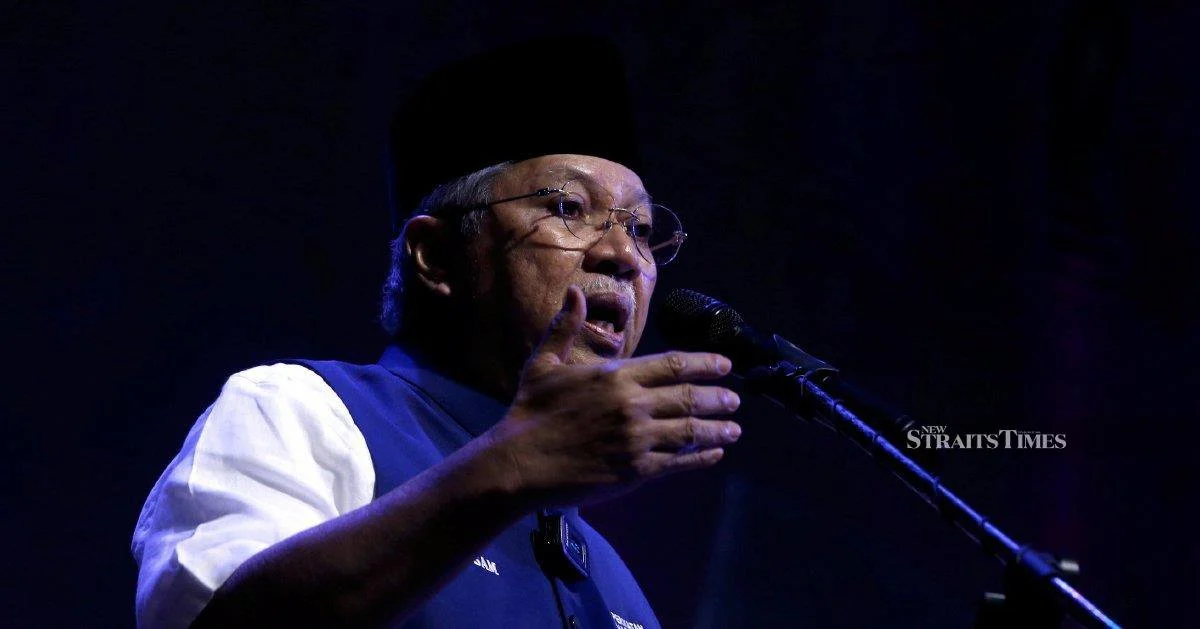
The Perikatan Nasional coalition is navigating fresh turbulence as internal disagreements threaten the fragile political unity that has sustained the opposition bloc since its formation. Senior party officials have stepped forward to counsel restraint among coalition members, particularly Bersatu, signalling deep concern that unguarded public commentary could accelerate the unravelling of the alliance that once posed a significant challenge to the federal government.
Annuar's intervention reflects the delicate balancing act required to maintain cohesion within PN, an alliance already strained by conflicting strategic interests and competing visions for Malaysia's political future. The coalition, which comprises Bersatu, PAS, and Perikatan Keadilan Rakyat (PKR) alongside other smaller parties, has struggled to present a unified front since its inception, with periodic disagreements over policy direction and leadership roles threatening its credibility.
Bersatu's position within the coalition remains particularly sensitive, given the party's historical relationship with its partners and its own internal organizational challenges. The party carries the institutional memory of being formed from elements that have since dispersed across the political landscape, creating complex personal and ideological dynamics that occasionally surface in coalition interactions. Recent weeks have seen murmurs of discontent within PN circles regarding strategic direction and the equitable distribution of political influence among partner parties.
The appeal for calm suggests that specific incidents or statements have triggered concern among senior coalition figures. Without immediate public disclosure of the precise trigger, observers recognize this as typical behaviour within opposition alliances managing sensitive internal negotiations. Public airing of grievances risks consolidating negative perceptions among voters and potentially emboldening government critics within coalition ranks to push for more aggressive posturing that internal consensus may not support.
For Malaysian political observers, the current PN tensions underscore the fundamental challenges facing opposition coalition-building in a complex, multi-ethnic democracy where no single party commands sufficient support for independent governance. Bersatu's restraint—or lack thereof—will substantially influence whether PN can maintain its structural integrity heading into future electoral cycles. The coalition's viability depends partly on each member party demonstrating sufficient maturity to subordinate immediate factional interests to collective strategic objectives.
The timing of these tensions carries broader significance for Malaysia's political trajectory. PN has positioned itself as an alternative administration capable of governing without the federal government's current configuration. However, repeated demonstrations of internal dysfunction undermine this narrative, particularly among swing voters in urban and suburban constituencies who prioritize governance effectiveness over ideological alignment. Each public disagreement provides opposition critics ammunition to question whether PN possesses the internal discipline necessary for successful governance.
Regional Southeast Asian observers often note that multiparty coalitions in established democracies frequently face similar cohesion challenges, yet successfully manage these through established protocols and leadership mechanisms. Malaysia's PN alliance still lacks institutionalized conflict-resolution mechanisms that have become standard practice in mature coalition systems elsewhere. This institutional deficit contributes to the perception that tensions will inevitably spill into public discourse, damaging collective standing.
Bersatu's historical trajectory as a relatively newer entrant to formal coalition politics adds another dimension to current tensions. The party's leaders frequently navigate between maintaining principled positions on substantive matters and demonstrating sufficient flexibility to preserve coalition relationships. This balancing act becomes exponentially more complicated when broader coalition members hold significantly different positions on major policy questions, including fiscal policy, religious governance frameworks, and federalism.
The government meanwhile observes these coalition tensions with evident satisfaction, recognizing that PN's internal difficulties directly translate into reduced political effectiveness. As PN members prioritize internal consolidation, the ruling administration consolidates support in marginal constituencies and among undecided voters who become increasingly convinced that the opposition lacks viable governance alternatives. This dynamic creates a vicious cycle where coalition weakness produces electoral consequences, which then intensify factional competition for remaining influence.
Moving forward, whether Bersatu heeds calls for restraint will significantly determine PN's near-term trajectory. Accepting the counsel to minimize public statements suggests accepting a subordinate leadership position within coalition hierarchy, potentially frustrating ambitious senior figures within the party. Conversely, continued public positioning risks triggering coalition rupture that would benefit the federal government substantially. The party faces an uncomfortable choice between accepting constrained influence or risking catastrophic loss of coalition standing.