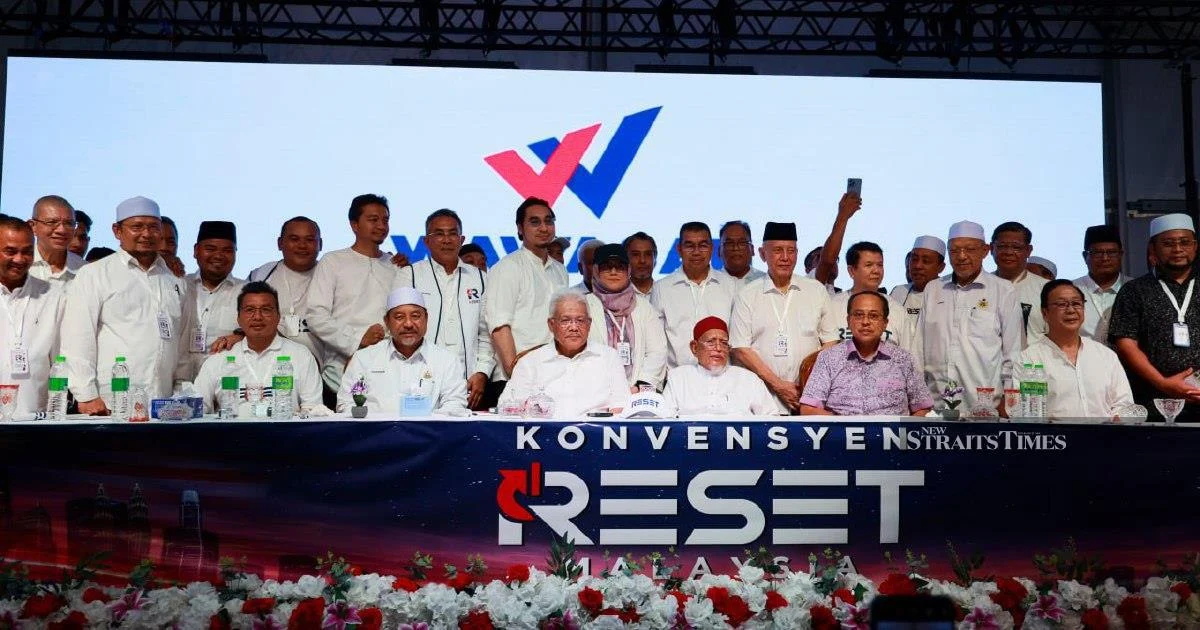
Perikatan Nasional confronted a significant internal challenge as Bersatu, one of its founding members, disputed the validity of an emergency Supreme Council session convened Monday evening. The party's questioning of the hastily arranged gathering has exposed underlying tensions within the increasingly fragile opposition alliance, threatening its cohesion at a critical juncture in Malaysian politics.
Bersatu's concerns centred on whether proper protocols were followed when the PN chairman orchestrated the late-night meeting to discuss and approve Wawasan's entry into the coalition. Party officials contended that the accelerated timeline and procedural irregularities raised serious questions about the legitimacy of decisions made during the session. This challenge represents more than a procedural complaint; it signals deepening divisions over governance and decision-making authority within PN's leadership structures.
The admission of Wawasan into PN appears to have triggered the dispute, with Bersatu suggesting that the chairman pushed through the expansion without adequate consultation among component parties. In Malaysian coalition politics, where multiple parties must balance competing interests and maintain consensus-based decision-making, such unilateral action can destabilise the entire alliance. Bersatu's willingness to publicly challenge the process suggests growing frustration with how power is being exercised within PN's upper echelons.
Wawasan's incorporation into PN holds strategic implications for the coalition's political positioning and electoral prospects. However, the manner of its admission—through what Bersatu characterises as a rushed, potentially irregular process—has overshadowed whatever organisational benefits the merger might bring. Coalition unity depends on member parties feeling their voices carry weight in critical decisions, and Bersatu's objections highlight a breakdown in that trust.
The emergency meeting format itself raises procedural questions worth examining. In established political coalitions, emergency sessions are typically reserved for genuine crises requiring immediate action. Using such mechanisms to expedite routine coalition matters can create the impression that established rules are being bent for convenience, damaging institutional credibility. This governance question extends beyond PN itself, reflecting broader concerns about how Malaysian political alliances operate when consensus-building proves inconvenient.
Bersatu's intervention occurs within the broader context of opposition coalition fragility. PN was itself formed in 2020 as an alternative to other opposition configurations, and its membership has shifted considerably since inception. The pattern of rapid expansion and membership changes, without consistent procedural safeguards, creates vulnerabilities that Bersatu is now exploiting. The party may be signalling that it will not tolerate being sidelined on substantive decisions despite its status as a co-founder.
For Malaysian observers, this rupture illustrates the persistent challenge facing opposition coalitions in this country. Whether PN, Pakatan Harapan, or any other grouping, opposition alliances have historically struggled to maintain internal discipline and unity of purpose. Personal rivalries, conflicting party interests, and disputes over resource allocation regularly destabilise these arrangements. The current Bersatu-PN dispute follows this familiar pattern, suggesting structural weaknesses inherent in opposition politics rather than temporary personality conflicts.
The implications for upcoming political contests cannot be ignored. If PN's leadership cannot manage internal procedures to satisfy major component parties, its ability to present a unified alternative government grows increasingly questionable. Voters considering opposition options need confidence that any prospective ruling coalition can govern cooperatively. Internal wrangling over meeting procedures does not inspire such confidence, and may push floating voters toward other options or toward disengagement from political participation altogether.
Wawasan's position in this dispute remains notably unclear. A new entrant finding itself at the centre of its coalition's first major procedural crisis faces an awkward debut. The party must navigate between showing loyalty to its new coalition partners while avoiding association with governance approaches its partners themselves question. How Wawasan responds to these opening challenges could shape its trajectory within PN and influence how other potential coalition members view joining the opposition alliance.
The resolution of this dispute will test PN's internal governance mechanisms. Should the coalition lack effective procedures for addressing such challenges, or should resolution processes appear arbitrary or dominated by the chairman, further defections become possible. Bersatu, controlling significant parliamentary numbers and party infrastructure, possesses leverage that PN's leadership cannot easily ignore. The coalition's next moves will indicate whether internal conflicts can be managed through legitimate institutional processes or whether PN has become fundamentally unstable.
For the broader Malaysian political ecosystem, this episode highlights the ongoing instability within opposition politics. While government coalitions may also experience internal tensions, they operate from a position of institutional control and resource access that can compensate for procedural imperfections. Opposition coalitions lack such buffers, making procedural legitimacy and equitable decision-making even more crucial for their survival. Until opposition alliances demonstrate consistent commitment to consensual governance, they will remain vulnerable to the kind of internal ruptures now materialising within PN.

