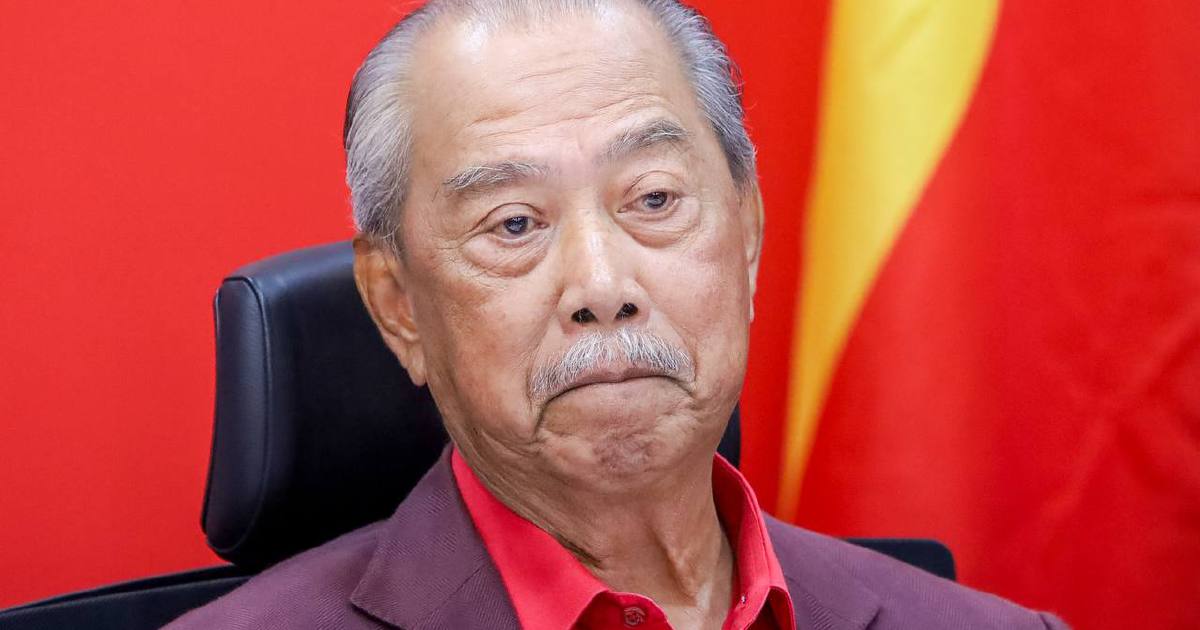
Parti Pribumi Bersatu Malaysia will maintain its position within Perikatan Nasional while pursuing electoral ambitions in Johor and Negri Sembilan under the coalition's shared logo, party president Tan Sri Muhyiddin Yassin declared in a statement that underscores the political bloc's unity at a critical juncture for Malaysian politics. The announcement arrives at a time when opposition coalitions have been preparing their own ground strategies, and when state-level contests have become increasingly significant as proving grounds for larger national political shifts.
Muhyiddin's confirmation of Bersatu's continued participation in PN carries weight beyond mere procedural alignment. The coalition, which has undergone considerable structural changes since 2020, has faced persistent questions about internal cohesion and the durability of partnerships among its constituent parties. By explicitly reaffirming the party's commitment to the broader bloc, Muhyiddin is signalling that Bersatu views its future trajectory as intrinsically linked to PN's electoral fortunes and political positioning, rather than pursuing independent or alternative arrangements that have occasionally surfaced in political commentary.
The strategy to contest Johor and Negri Sembilan under the coalition logo rather than Bersatu's individual party symbol demonstrates a tactical shift toward consolidated campaigning. This approach acknowledges that voters increasingly respond to broader coalition narratives and unified branding rather than individual party messaging. For Bersatu, which has historically struggled to establish a distinct voter base independent of its founder's personal popularity and political evolution, anchoring its electoral appeal within PN's framework provides structural advantages in terms of campaign coordination, resource pooling, and the psychological benefit of association with a larger political apparatus.
The timing of this announcement carries particular significance for the coalition's broader positioning. Perikatan Nasional has been gradually establishing itself as an alternative to both the long-ruling Barisan Nasional and the opposition Pakatan Harapan, though its political trajectory remains fluid. By securing explicit commitments from key component parties like Bersatu, PN leadership can project an image of stability and coherence to both party members and the voting public, important assets when seeking to consolidate voter support in fiercely contested states.
Johor and Negri Sembilan represent distinct political battlegrounds with different dynamics. Johor has traditionally been a Barisan stronghold, though recent years have witnessed notable shifts in voter sentiment and periodic challenges to BN's dominance. Negri Sembilan presents a more fluid political landscape where no single bloc has maintained overwhelming control, making both states potentially receptive to PN's expansion efforts. Bersatu's participation in contests for these state legislatures provides PN with additional ground presence and organizational capacity that could prove decisive in marginal constituencies.
The coalition logo strategy also reflects pragmatic considerations about voter psychology and electoral mechanics. Many Malaysian voters demonstrate stronger loyalty to coalition symbols than to individual parties, viewing the logo as a marker of broader political alignment and values. By contesting under PN branding, Bersatu candidates gain access to that reservoir of coalition support while potentially transcending the party's own limited vote-getting machinery. This approach has become increasingly common across Malaysian politics as parties recognize the electoral value of subsuming individual identity within larger coalition frameworks.
Bersatu's commitment to PN occurs against a backdrop of shifting political alignments across Malaysia's states. Several states have experienced transitions in government control and coalition configuration over the past year, demonstrating that electoral outcomes remain genuinely competitive. For PN, accumulating strong performances in state elections serves multiple purposes: it generates momentum for potential national electoral contests, provides evidence of governance capability, and creates incentives for other parties to view coalition membership as politically advantageous rather than limiting.
The emphasis on coalition identity also signals awareness within PN's leadership that fragmentation among component parties could undermine the bloc's overall competitiveness. Unlike Pakatan Harapan, which has experienced notable tensions between PKR and DAP over seat allocations and strategic direction, PN has maintained relatively cohesive public positioning. Muhyiddin's statement reinforces that commitment to collective action and suggests ongoing coordination mechanisms that allow component parties to pursue state-level ambitions while maintaining broader coalition discipline.
For Malaysian voters in Johor and Negri Sembilan, Bersatu's electoral participation under the PN banner presents another choice point in an increasingly multi-polar political landscape. Rather than facing a binary choice between BN and Pakatan, these electorates will confront a three-way contest that reflects Malaysia's evolving political realignment. This structural change has implications for campaign strategies, seat allocation negotiations, and ultimately the composition of future state governments, as votes may split among three major coalitional entities rather than concentrating among two.
Muhyiddin's declaration also carries implications for intra-coalition dynamics within PN. Other component parties, particularly PAS and smaller partners, will likely monitor Bersatu's performance closely and assess whether the coalition framework delivers promised electoral benefits. Strong results would validate the collaborative approach, while disappointing outcomes might prompt reconsideration of coalition structures or allocation strategies. This mutual accountability creates incentives for genuine coordination and unified campaigning rather than mere nominal association.
The announcement ultimately reflects a maturing understanding within Malaysian coalition politics that electoral success increasingly depends on consolidated rather than fragmented appeals. As voter volatility increases and traditional party loyalties erode, coalitions that maintain internal discipline while projecting unified external messaging gain competitive advantages over those that appear divided. Bersatu's explicit recommitment to Perikatan Nasional and its decision to contest under the coalition logo represent calculated moves designed to strengthen PN's positioning across Malaysia's electoral landscape while anchoring Bersatu's political future within the broader bloc's trajectory.