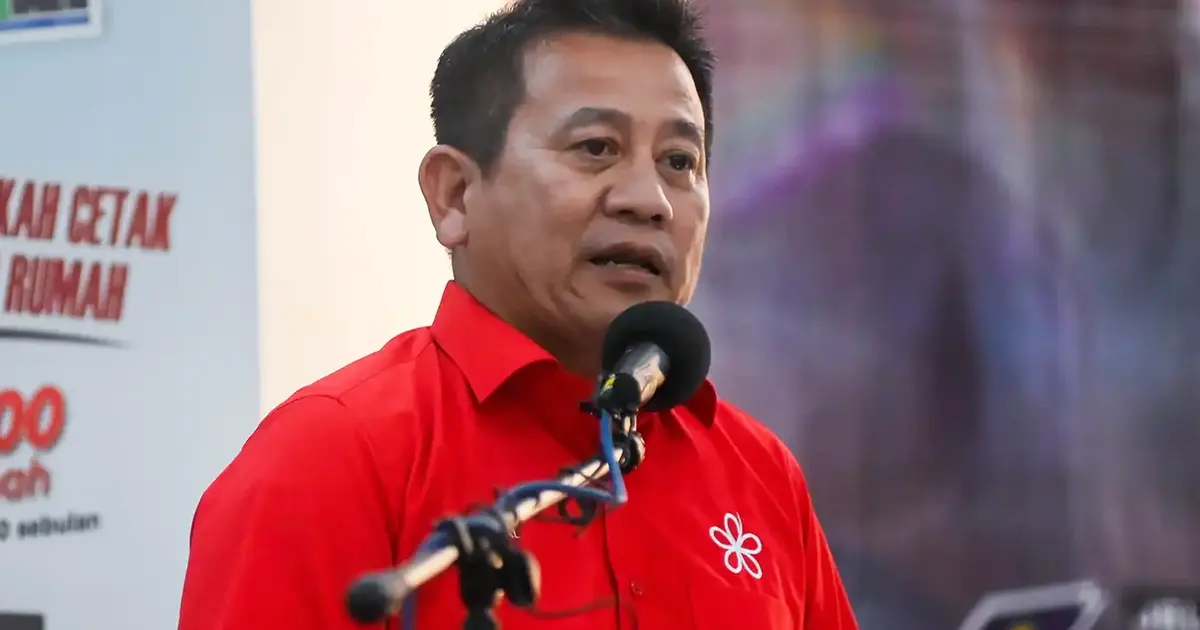
Tun Faisal Ismail Aziz, the information chief of Bersatu, has openly questioned the balance of power within the Perikatan Nasional coalition, alleging that PAS is systematically consolidating authority through recent organisational reshuffles. The pointed critique marks a widening fissure within the opposition alliance that has served as the primary counterweight to the Pakatan Harapan government since the 2022 general election.
The accusation strikes at the heart of coalition management at a time when Perikatan Nasional is positioning itself as a unified alternative to the current federal administration. Tun Faisal's remarks suggest tension beneath the surface of what has appeared to be a cohesive political front, with smaller coalition partners increasingly wary of being overshadowed by PAS's organisational momentum. This internal friction could significantly affect the opposition's ability to present a consolidated platform ahead of future electoral contests.
Tun Faisal characterised PAS's operating style within the coalition as reflecting an authoritarian approach, implying that decision-making processes have become less consultative and more directive. Such language carries particular weight in Malaysian politics, where coalition stability depends on partner parties feeling their interests are protected and their voices heard. The use of terms like "authoritarian attitude" signals that frustration extends beyond mere disagreement on specific policies to encompass broader governance philosophy within the alliance.
The Perikatan Nasional formation itself reflects an attempt to forge a broader right-wing coalition that can attract diverse constituencies across Peninsular Malaysia and the East Malaysian states. However, the coalition's internal dynamics have remained complex, with Bersatu positioning itself as a bridge between PAS's Islamist base and more secular nationalist segments of the electorate. Any perception that PAS is dominating coalition mechanics threatens this delicate balance and raises questions about whether smaller partners like Bersatu can maintain meaningful influence.
Recent leadership changes within Perikatan Nasional, which appear to have prompted Tun Faisal's statement, suggest a reorganisation that either strengthened PAS's institutional position or shifted decision-making power in ways that Bersatu's leadership views as disadvantageous. Without specific details of which positions or responsibilities were contested, observers must consider the broader pattern of how Malaysian coalitions typically function when one party establishes hegemonic control. The precedent of Pakatan Harapan's eventual fragmentation serves as a cautionary reminder of how coalitional tensions can ultimately destabilise even seemingly strong alliances.
The timing of this public critique is particularly significant given Malaysia's political calendar and the government's current standing. Anwar Ibrahim's administration continues to navigate economic challenges and internal pressure from its own coalition members, creating an environment in which the opposition might capitalise on any perception of governmental weakness. However, if Perikatan Nasional cannot resolve internal tensions, it may squander the opportunity to present a credible alternative when election time arrives.
Bersatu's position within Perikatan Nasional reflects its unique status as a party claiming to represent a broader Malaysian identity that transcends religious and ethnic lines. This positioning becomes undermined if the coalition is perceived as increasingly dominated by a single-issue, religiously-focused party. Bersatu's ability to attract urban, younger, and more cosmopolitan voters depends partly on its distance from the image of strict Islamic governance, making the current friction with PAS structurally important to the party's electoral strategy.
The accusation also occurs within the context of PAS's broader political ascendancy since its strong performance in the 2022 election. As the party has gained prominence, its influence over coalition direction has naturally expanded, but this expansion has apparently proceeded at a pace that other partners find troubling. For a coalition still competing for federal power, maintaining perceived equality among significant members is crucial to preventing defections or strategic realignments.
Tun Faisal's willingness to air these grievances publicly rather than through private coalition mechanisms suggests that internal channels may have become ineffective or that Bersatu's leadership believes their concerns require broader public acknowledgment. This decision carries risks, as public criticism of coalition partners can further erode trust and provide ammunition to critics suggesting the opposition remains fractious and unreliable. Yet it also signals that Bersatu's concerns run sufficiently deep to justify the reputational costs of such statements.
The implications of this discord extend beyond immediate coalition management to encompass how Malaysian voters will evaluate the opposition's viability as an alternative government. Coalitions by definition require compromise and shared decision-making, but they also require mechanisms to prevent hegemonic parties from overwhelming their partners. How Perikatan Nasional resolves this underlying tension will significantly influence both its internal stability and its electoral prospects. For Malaysian political observers, monitoring whether Tun Faisal's intervention prompts substantive changes to coalition governance structures or represents merely a symptom of deeper, unresolvable disagreements will be crucial to understanding the opposition's true strength heading toward the next general election.