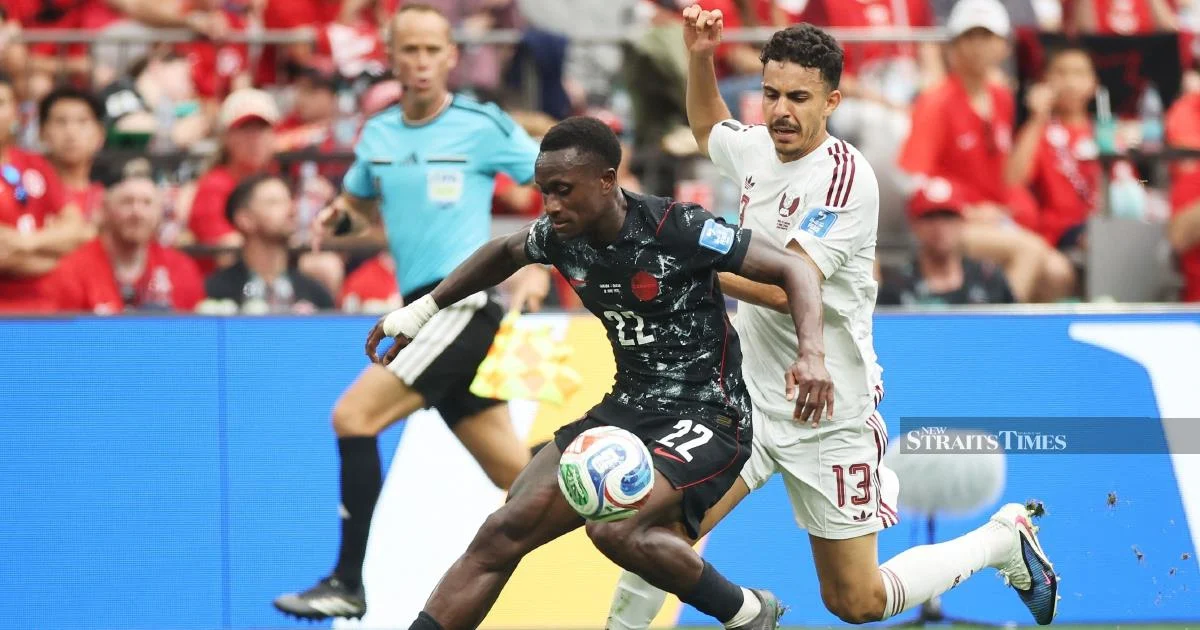
Qatar's catastrophic 6-0 defeat at the hands of Canada during the World Cup has become a cautionary tale about the perils of assuming that boundless financial resources can compensate for institutional shortcomings in football development. The lopsided scoreline, among the most humiliating in recent tournament memory for the host nation, has prompted serious reflection among sports commentators and analysts about what it takes to genuinely compete on football's grandest stage.
The oil-rich Gulf nation invested unprecedented sums into its football infrastructure over the past two decades, constructing world-class stadiums, attracting elite foreign coaches, and assembling rosters of imported players at considerable expense. Yet none of this spending translated into the kind of deep World Cup run that Qatar's leadership had privately hoped to achieve. The shellacking by Canada, a nation considerably less wealthy and with a far shorter football pedigree, underscored a fundamental truth: money remains merely one ingredient in a complex recipe for sustained sporting excellence.
Football experts point to the gap between Qatar's spending and its actual playing strength as reflecting deeper structural problems within the domestic programme. While infrastructure can be purchased relatively quickly, the development of genuine football culture, youth academy systems that produce world-class talent, and competitive domestic leagues require decades of patient work. Qatar's reliance on foreign players and coaches, whilst providing short-term tactical advantages, has not created the pipeline of homegrown talent necessary for long-term competitiveness. The six-goal margin of defeat exposed these fundamental deficiencies in ways that no amount of advance spending could mask.
The contrast with other wealthy nations that have successfully built football powerhouses is instructive for Malaysian observers. Germany's football success stems from a comprehensive system developed over generations, involving thousands of academies, rigorous player development protocols, and a deeply embedded football culture. Even newer football nations that have invested heavily, such as the United Arab Emirates, understand that purchasing infrastructure represents only the foundation. What separates genuine football nations from wealthy countries seeking sporting prestige is the long-term commitment to developing homegrown talent and establishing traditions of excellence.
Canada's convincing victory over Qatar offers another perspective on modern football dynamics. The North Americans have built their competitive advantage through a combination of youth development programmes, systematic coaching pathways, and a growing domestic league that provides meaningful competition. These elements cannot be hurried or bypassed, regardless of available capital. Their success represents the fruit of institutional building rather than chequebook management, a lesson particularly relevant for ambitious Southeast Asian nations pursuing football advancement.
For Malaysia and other regional nations, Qatar's experience carries specific implications. As countries across Southeast Asia contemplate increased investment in football infrastructure, the Qatar example suggests that spending must be accompanied by systemic thinking about talent development, coaching education, and creating sustainable competitive pathways. The temptation to replicate Qatar's approach—pouring resources into stadiums and recruiting expensive foreign talent—ignores the fundamental reality that football success cannot be manufactured in five to ten years, no matter how substantial the financial commitment.
Qatar's vulnerability extended beyond mere spending differences. Their squad composition revealed an over-reliance on imported players unfamiliar with one another's playing styles and lacking the integration that comes from competing together over extended periods. Canadian players, by contrast, had developed cohesion through competitive World Cup qualifying matches and sustained exposure within a structured national programme. This operational reality demonstrates that roster assembly differs fundamentally from team building, a distinction that financial resources alone cannot bridge.
The psychological dimensions of Qatar's tournament collapse warrant consideration as well. Host nations often enter competitions burdened by elevated expectations and pressure, particularly when they have invested heavily in tournament infrastructure and national prestige. The psychological weight of meeting expectations, combined with the tactical inflexibility that sometimes accompanies assembled rather than organically developed squads, created vulnerability. These mental and organisational factors operate beyond the reach of financial stimulus, affecting even well-resourced programmes.
Analysts emphasise that Qatar's World Cup disappointment should not be interpreted as evidence that investment in football infrastructure proves valueless. Rather, the lesson concerns proportionality and sequencing. Strategic spending on academies, coaching development, and youth pathways generates far superior returns to expenditure focused primarily on elite senior squads and stadium construction. The most successful football nations globally have understood this principle implicitly, building from youth foundations upward across decades rather than expecting immediate senior-level success.
For Southeast Asia specifically, the Qatar narrative suggests that the region's football development strategies should emphasise grassroots programming, domestic league quality, and systematic coaching education before attempting to construct elite World Cup-competitive teams. Malaysia, Thailand, Vietnam, and other regional nations would benefit from studying not Qatar's spending patterns but rather the development philosophies embedded in successful football nations that operated with far fewer resources but superior organisational frameworks.
Moving forward, Qatar faces the considerable challenge of redirecting its football investment toward longer-term institutional development whilst managing the immediate reputational damage from such a comprehensive tournament failure. The six goals conceded represent not merely tactical defeats but a reckoning with the limitations of their entire football-building approach. Should Qatar heed this lesson and invest instead in homegrown talent development and domestic league strength, future tournaments might tell a different story. That transformation, however, cannot be purchased quickly—it demands patience, systematic thinking, and a willingness to abandon the assumption that football excellence follows automatically from financial commitment.

