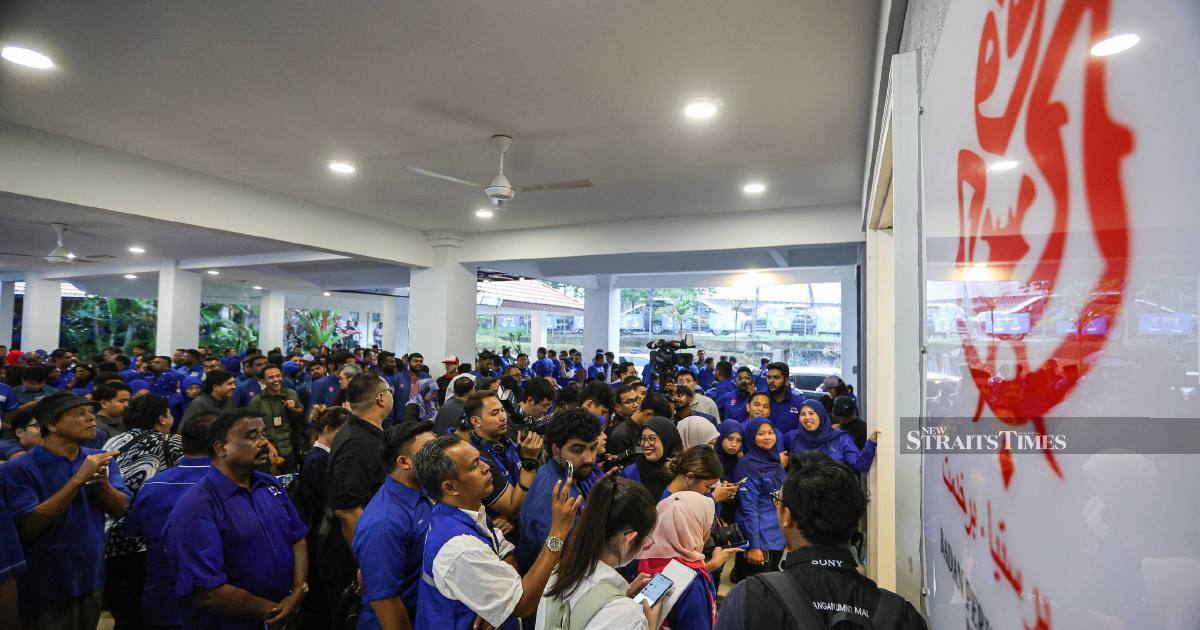
The Johor Umno headquarters in Johor Baru became a focal point of political activity as Barisan Nasional formally rolled out its candidate selection for the 16th Johor state election, drawing party dignitaries, grassroots members and enthusiastic supporters to witness what the coalition views as a pivotal moment in reclaiming electoral dominance in the state. The energy surrounding the event underscores the significance BN attaches to Johor, a state that has historically served as one of its most reliable strongholds but whose political landscape shifted considerably in recent years.
The gathering at BN's state nerve centre reflected a broader mobilisation strategy aimed at projecting unity and readiness heading into the electoral contest. Senior party figures made appearances to signal their personal investment in the campaign and to energise the volunteer networks that form the backbone of BN's ground operations. For many attendees, the candidate announcement represented a moment to assess whether the coalition had successfully resolved internal tensions and factional disputes that sometimes plague Malaysian political parties during selection cycles.
Johor's electoral significance extends beyond its 56 state assembly seats. The state's demographic diversity—encompassing urban centres, suburban sprawl and rural constituencies—mirrors challenges facing BN across the nation. Control of Johor would reinforce BN's narrative of recovery following its 2018 federal election loss, serving as a springboard for confidence in other upcoming state contests. The Johor electorate, known for pragmatic voting patterns and sensitivity to economic management issues, demands that candidates articulate clear positions on cost-of-living pressures, job creation and infrastructure development.
The candidate selection process itself involved complex calculations within BN's tripartite structure. Umno, as the dominant partner, faced pressure to balance competing claims from within its own ranks whilst also ensuring that component parties MCA and MIC received seat allocations reflective of their contributions and constituencies. These negotiations often involve delicate negotiations between state leadership and federal party structures, with factional interests sometimes adding additional layers of complexity. The public announcement marked the culmination of weeks of behind-the-scenes deliberation.
Political observers viewed the turnout and enthusiasm at the event as a barometer of internal BN cohesion. Strong supporter attendance traditionally signals effective party machinery and membership morale, factors that translate into campaign effectiveness during nomination and polling periods. The grassroots energy on display at the headquarters suggested that BN was capable of mobilising its traditional base, though veteran analysts cautioned that voter enthusiasm differs markedly from actual ballot performance in contemporary Malaysian politics.
For Johor specifically, the election carries implications for state governance priorities and resource allocation. The incoming administration, regardless of which coalition forms government, will inherit pressing issues including water supply management, port development, agricultural sustainability and the ongoing challenge of balancing economic growth with environmental stewardship. The candidates selected would need to demonstrate understanding of these state-specific challenges whilst maintaining alignment with their coalition's broader national policy platforms.
The political context heading into the election cannot be separated from national developments. Recent federal government shifts and internal coalition dynamics have created both opportunities and vulnerabilities for BN. The coalition seeks to portray itself as a stabilising force and competent administrator capable of delivering tangible benefits to ordinary Johoreans. Opposition coalitions, conversely, have positioned themselves as vehicles for reform and renewed accountability. The candidate choices announced at the headquarters effectively shaped the personality and messaging of BN's electoral contest in the state.
Malaysian electoral history demonstrates that Johor elections often foreshadow national trends, though the relationship is not deterministic. The state's voters have occasionally surprised analysts and party strategists alike, voting differently in state elections versus federal contests held in similar timeframes. This unpredictability reflects the sophisticated calculations Johor voters undertake, weighing local governance track records, personality factors and national political considerations simultaneously. For BN, therefore, this election represented both an opportunity to rebuild state-level momentum and a potential flashpoint if voter sentiment shifted against the coalition.
The candidate announcement also held symbolic weight for party members and supporters who had endured internal criticism and electoral setbacks in preceding years. Witnessing their party's leadership demonstrate confidence through a public unveiling of candidates provided psychological reinforcement, particularly important for volunteer campaigners tasked with convincing voters during door-to-door engagement and community outreach. The festive atmosphere at BN headquarters was deliberately cultivated to project an image of a party confident in its prospects and united behind its chosen representatives.
Looking ahead, the effectiveness of these candidates would determine BN's electoral fortunes. Beyond names and party affiliations, voter reception would hinge on whether individual candidates demonstrated genuine connection to their constituencies, understanding of local issues and capability to deliver on promises. The initial gathering at party headquarters, however energetic and well-attended, represented merely the opening phase of what would prove to be an intensive and competitive electoral campaign.

