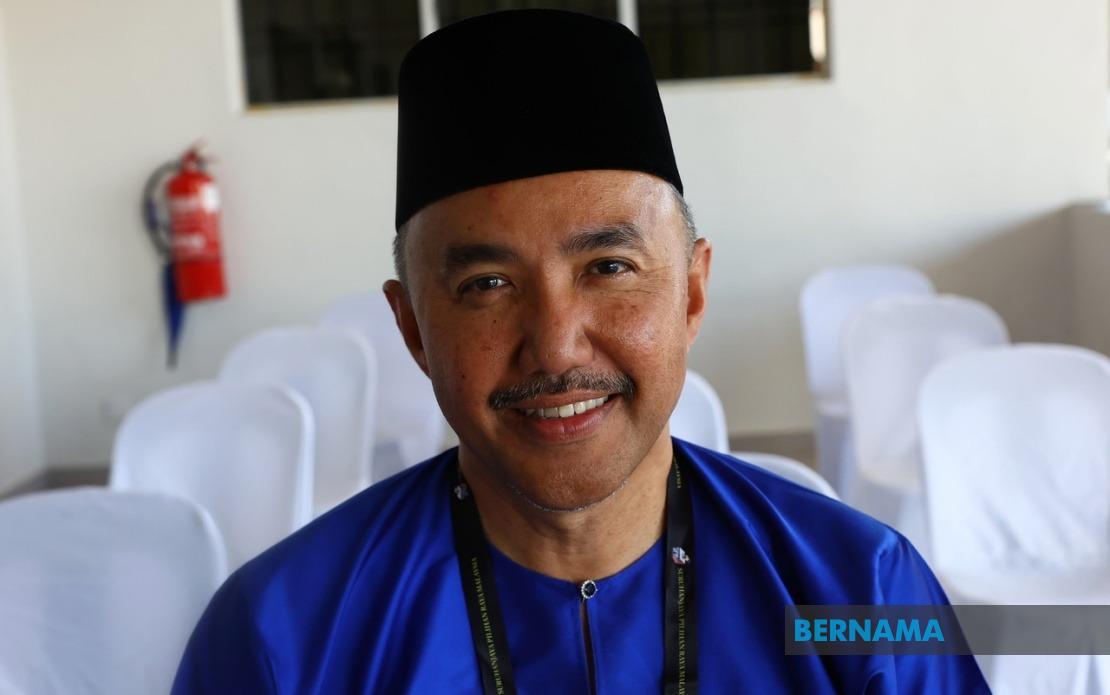
The Barisan Nasional coalition is projecting a strong showing among Federal Land Development Authority settlers in the Kulai parliamentary constituency during the 16th Johor state election, with voting scheduled for July 11 and early polling on July 7. The confidence stems partly from recovery efforts following weaker FELDA turnout in previous contests, according to Datuk Mohd Jafni Md Shukor, the BN chairman for Kulai and incumbent defending the Bukit Permai state seat.
Four major FELDA settlements within the Kulai parliamentary division form a crucial component of the coalition's electoral strategy, collectively representing nearly 7,000 voters. These settlements—FELDA Taib Andak, FELDA Inas, and FELDA Bukit Permai in the Bukit Permai state constituency, alongside FELDA Bukit Batu in the Bukit Batu state seat—represent long-established communities with significant political influence. The concentration of FELDA voters in this region underscores the importance of the rural vote to BN's broader electoral prospects in Johor.
Jafni attributed the coalition's optimism to substantive initiatives undertaken by the Johor state government under Menteri Besar Datuk Onn Hafiz Ghazi over the past four years. The state administration has prioritised addressing longstanding grievances within FELDA communities, a demographic that has historically formed a core support base for BN but whose loyalty fractured during the 2018 election. Though the coalition recovered ground in 2022, officials recognise that consolidating and expanding FELDA support remains essential for maintaining political dominance in rural constituencies.
The state government's welfare programmes have targeted FELDA beneficiaries directly, including educational support channelled through the Johor Education Foundation, which provides assistance to children from FELDA households. Beyond immediate welfare, the administration resolved a protracted land titling issue affecting thousands of settlers, with approximately 99.9 per cent of ownership applications now processed. This resolution carries symbolic and practical significance for FELDA communities, as land security directly impacts economic stability and intergenerational property rights within these settlements.
These interventions reflect a deliberate strategy to address the vulnerabilities that contributed to BN's 2018 setback in rural areas. FELDA voters, predominantly smallholder farmers and agricultural workers, remain sensitive to policy changes affecting commodity prices, input costs, and government support mechanisms. By demonstrating tangible improvements in education funding and land administration, the state government aims to rebuild trust among constituencies that felt neglected during previous administrations.
Within the Kulai parliamentary constituency, BN operates across three state seats: Bukit Permai, Bukit Batu, and Senai. Jafni articulated the coalition's ambition not merely to defend the incumbent Bukit Permai seat but to win all three constituencies, framing this as essential for implementing a second-term development agenda. The emphasis on multi-seat victories reflects competitive pressure from opposition parties, particularly Pakatan Harapan, which has contested BN's rural dominance since 2018.
Jafni's personal contest in Bukit Permai involves four-cornered competition against Muhammad Aidil Riduan Mohd Yusof representing Parti Bersama Malaysia, Mohamad Shafwan Ani of Pakatan Harapan, and M. Lina Manoh of Perikatan Nasional. The fragmented opposition field potentially benefits BN if the rural vote consolidates around the incumbent, though PN's increasing penetration into traditionally BN-held rural areas poses risks. The 2022 election delivered Jafni a majority of 4,755 votes, establishing a baseline for assessing performance in this cycle.
The Johor state election carries implications extending beyond the state itself, functioning as a barometer for BN's broader political health ahead of potential federal contests. Rural support remains foundational to BN's parliamentary arithmetic at the national level, making performance in constituencies like Kulai indicative of the coalition's capacity to retain traditional bases amid shifting voter dynamics. Southeast Asian observers monitor such contests for signals regarding BN's recovery trajectory following the 2018 debacle that cost the coalition federal power.
Jafni's appeal for voters to renew BN's mandate framed governance as an incomplete project requiring continuity. This messaging targets constituencies with FELDA demographics, where incremental improvements in welfare provision and developmental outcomes tend to resonate more effectively than ideological arguments. The four-year period under Onn Hafiz's administration has been marketed as demonstrating competence and commitment to rural constituencies, with the implicit premise that another term would accelerate development benefits.
The timing of FELDA-focused campaigning reflects the coalition's recognition that these settlements will likely determine the outcome in several marginal seats across Johor. With early voting commencing July 7, BN has deployed both incumbent officeholders and party machinery to mobilise FELDA voters, emphasising administrative achievements and welfare continuity. For Malaysian political observers, the FELDA vote share in Kulai and similar constituencies will provide critical insight into whether BN has successfully recovered rural support lost in 2018 or whether structural shifts in voting patterns persist.

