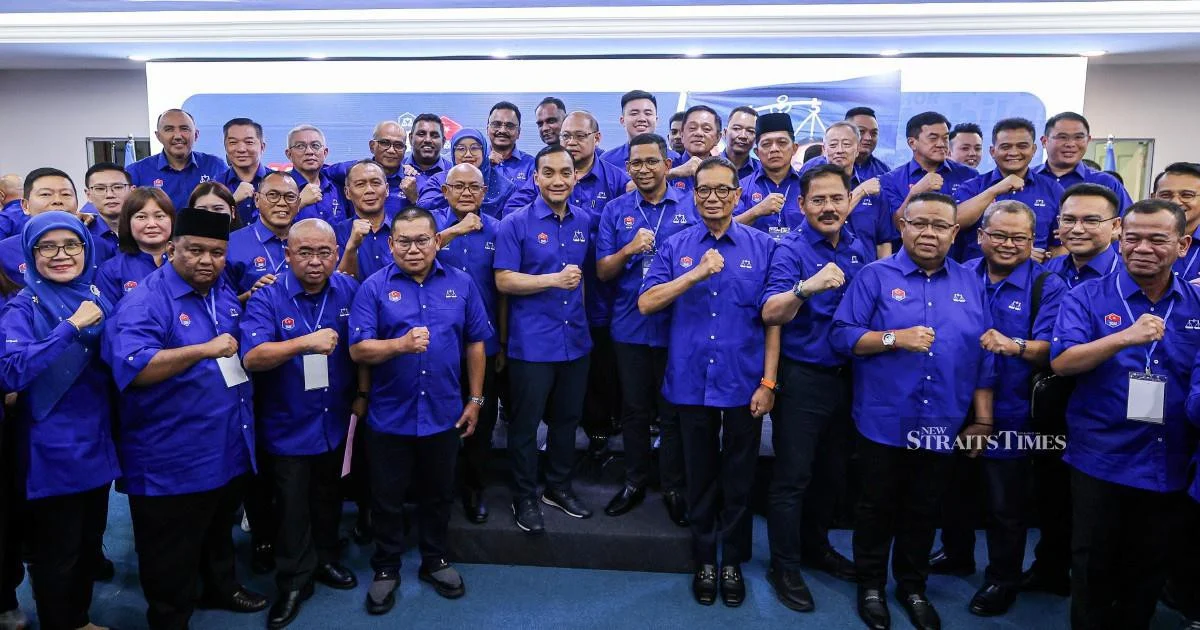
A fresh wave of candidates representing Johor's Barisan Nasional constituent parties has stepped forward with firm declarations of intent to capture the upcoming state election on July 11, marking a significant generational shift in the coalition's electoral machinery. Speaking from Johor Baru, these emerging political figures are projecting confidence despite the intensifying competition that characterises Malaysian state-level contests in the current political landscape.
The infusion of new talent into Johor BN's candidate slate reflects broader strategic considerations within the coalition as it prepares for what promises to be a closely contested election. Unlike federal-level campaigns, state elections in Malaysia often serve as crucial testing grounds where local grievances, municipal administration records, and constituency-specific issues gain outsized influence over voter behaviour. Johor, as a economically significant state with substantial population concentration along its coastal and industrial corridors, presents both opportunities and vulnerabilities for the ruling coalition.
For BN, which has faced intermittent electoral challenges across multiple Malaysian states over the past decade, the promotion of newer voices addresses a critical perception challenge. Voters in many constituencies have expressed fatigue with entrenched political establishments and demonstrated receptiveness to candidates representing generational change and fresh policy perspectives. By deploying relatively unknown political newcomers rather than relying solely on long-serving incumbents, the coalition aims to counter narratives of stagnation while simultaneously retaining the institutional machinery and financial resources that established political structures provide.
These aspiring representatives are positioning themselves as bridges between the coalition's organisational strengths and emerging voter expectations around transparency, economic opportunity, and responsive governance. The July 11 election will test whether this calculus proves effective in the Johor context, where demographic patterns, migration flows, and industrial development have substantially altered the electoral composition compared to previous cycles. The state's diverse communities—encompassing significant urban populations in Johor Baru and Iskandar Puteri, alongside more rural constituencies in the interior—require tailored messaging approaches that these newer candidates must navigate effectively.
The timing of BN's candidate announcement carries strategic implications for the broader Malaysian political ecosystem. As opposition coalitions similarly undergo internal repositioning and candidate selection processes, the state election essentially functions as a mid-cycle assessment of national political sentiment. Victory in Johor would substantially reinforce BN's narrative momentum heading into potential future federal contests, while electoral setbacks would embolden opposition forces and potentially accelerate internal questioning within the ruling coalition regarding strategic direction and policy emphasis.
Resource mobilisation will prove critical to these candidates' campaign effectiveness. BN's extensive on-ground networks, coupled with substantial financial capacity, historical administrative experience in Johor, and existing constituent service infrastructure, provide material advantages that opposition parties must overcome through alternative mechanisms. Conversely, the relative inexperience of many new BN candidates may necessitate intensive mentoring and campaign support arrangements, potentially straining party resources if multiple constituencies require simultaneous intensive attention.
The opposition's strategic responses to BN's candidate profile also merit careful observation. Opposition coalitions historically have sometimes capitalised on voter perceptions that new candidates lack proven track records or substantive policy platforms. However, the same inexperience narrative can be reframed positively—as freedom from past political baggage or as genuine commitment to constituency-specific problem solving rather than advancement within national party hierarchies. This interpretive contestation will substantially shape how Johor voters evaluate these candidates throughout the campaign period.
Statewide issues—encompassing economic development corridors, educational provision, healthcare access, housing affordability, and environmental management—will inevitably transcend individual candidate characteristics and become focal points for broader coalition versus opposition messaging. To whatever extent BN's new candidates can authentically position themselves as solution-oriented figures on these substantive policy domains rather than mere party functionaries, their electoral prospects will improve accordingly. Conversely, opposition parties will attempt to emphasise continuity between new BN candidates and established coalition policies they characterise as inadequate or ineffective.
The July 11 election fundamentally represents a verdict on BN's governance record in Johor across multiple policy portfolios and administrative domains. New candidates, whilst symbolising organisational renewal, simultaneously inherit responsibility for explaining and defending their coalition's incumbency performance. This inherent tension—between projecting forward-looking change whilst standing behind existing records—will characterise BN's campaign dynamics throughout the election cycle. Ultimately, whether these fresh political voices successfully convert their expressed determination into electoral victory will depend substantially on factors extending far beyond individual candidate enthusiasm, including national economic performance, broader coalition unity, and the relative appeal of opposition alternatives to Johor's diverse voter communities.

