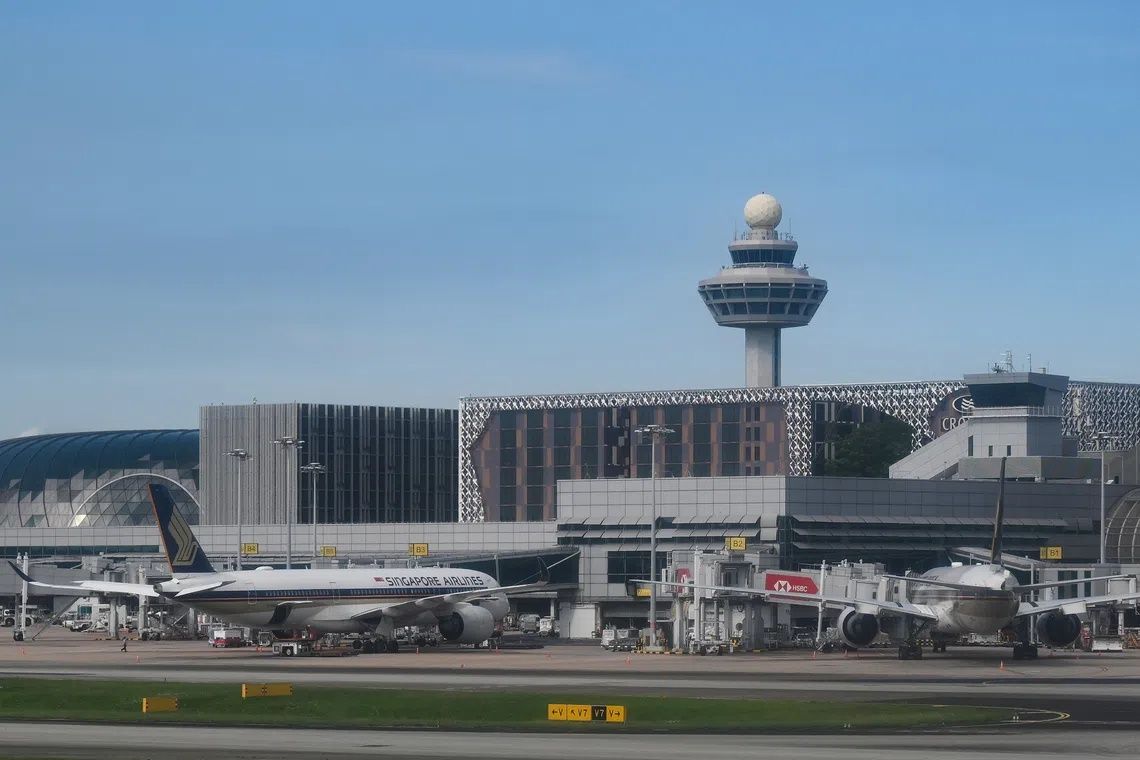
A 25-year-old British man is set to appear in court in Singapore after an incident on July 20 that disrupted operations at Changi Airport Terminal 1 and caused significant delays to a flight heading to Kuala Lumpur. According to police statements released on Tuesday, August 11, the passenger's disruptive behaviour during the boarding process ultimately resulted in a 45-minute postponement of the scheduled departure, affecting other travellers and airport operations.
The incident began when police received a report at approximately 4.05pm on July 20 concerning a passenger creating a disturbance at one of the boarding gates. Investigators determined that the man, believed to be intoxicated at the time, engaged in loud and aggressive behaviour at the gate area, talking and shouting in ways that disturbed fellow passengers waiting to board the aircraft. His conduct drew the attention of airline personnel who attempted to address the situation and manage the disruption.
When two airline staff members approached the passenger to address his behaviour, his response escalated significantly. The man reacted with anger, directing vulgar language toward one of the staff members in what police described as a hostile confrontation. At this point, the airline made the decision to remove him from the flight manifest, citing his intoxicated state as grounds for refusing him passage. This is standard procedure across the aviation industry when passengers pose potential safety or security risks.
However, the situation deteriorated further after the man was informed of the airline's decision to offload him. Rather than accepting the determination, he became increasingly aggressive and made a deliberate attempt to bypass the airline staff and board the aircraft anyway. In doing so, he forced his way through secured checkpoints and entered a protected area of the airport without proper authorisation, a serious breach of aviation security protocols. During this incident, one airline staff member was knocked to the ground and sustained injuries to her left arm and wrist.
The man's aggressive conduct persisted as he continued to direct threatening and insulting language at airport security personnel who were attempting to manage the situation and restore order. The combination of his persistent non-compliance, physical aggression, and verbal abuse created a chaotic environment at the departure gate that required extended intervention from security staff. The 45-minute delay that resulted from these actions disrupted the travel plans of all other passengers on the flight and created administrative complications for Changi Airport operations.
The charges the man now faces reflect the severity of his actions across multiple categories of misconduct. He will be prosecuted under three separate charges: causing annoyance while intoxicated in a public place, using threatening, abusive, or insulting words or behaviour, and unauthorised entry to a protected place. These charges address different aspects of his conduct during the incident and reflect the progressive nature of his offences—from initial disorderly conduct through escalating to physical aggression and security breaches.
The potential penalties associated with these charges demonstrate Singapore's approach to maintaining order and safety in its aviation infrastructure. For the charge of causing annoyance while intoxicated in a public place, conviction could result in a fine of up to S$1,000, imprisonment for up to six months, or both sanctions applied together. The charge related to threatening and abusive behaviour carries a maximum fine of S$5,000, reflecting the seriousness of such conduct in shared public spaces.
The most serious charge—unauthorised entry to a protected place—carries substantially harsher penalties, with possible conviction resulting in a fine reaching S$20,000, imprisonment of up to two years, or a combination of both. This enhanced penalty structure reflects how seriously Singapore treats breaches of airport security protocols, particularly those involving physical force and deliberate circumvention of safety measures. Such strict enforcement is essential for maintaining the integrity of aviation security at a major regional hub like Changi Airport.
This incident underscores the broader challenges faced by major airports in Southeast Asia regarding passenger conduct and public safety. Changi Airport, consistently ranked among the world's best airports, handles millions of passengers annually, and maintaining orderly operations amid such volume requires swift action against disruptive individuals. The case also highlights how alcohol consumption can contribute to escalating confrontations in high-security environments where passengers must comply with established procedures and staff authority.
For Malaysian readers and others in the region who frequently travel through Changi Airport, this incident serves as a reminder of the strict protocols governing airport conduct in Singapore. The consequences for aggressive behaviour, particularly when directed at staff or involving attempts to circumvent security measures, are substantial. Passengers intending to travel through Singapore's airports should understand that staff decisions regarding boarding and flight participation are final and non-negotiable, and attempting to override such decisions through physical force constitutes a serious criminal matter.
The treatment of this case also reflects Singapore's commitment to protecting its airport workers, who face significant occupational risks when managing difficult passenger situations. The injury sustained by the airline staff member during this incident—injuries to her left arm and wrist from being knocked down—underscores the physical dangers inherent in confrontations at boarding gates. Charges that specifically address violence against staff acknowledge and seek to deter such assaults.
As aviation activity continues to recover and expand across Southeast Asia following pandemic-related disruptions, maintaining passenger discipline and respect for airport procedures has become increasingly important for ensuring safe and efficient operations. This case demonstrates that major regional airports will enforce their rules robustly and that travellers who fail to comply with staff instructions or who attempt to force their way onto aircraft face serious legal consequences.

