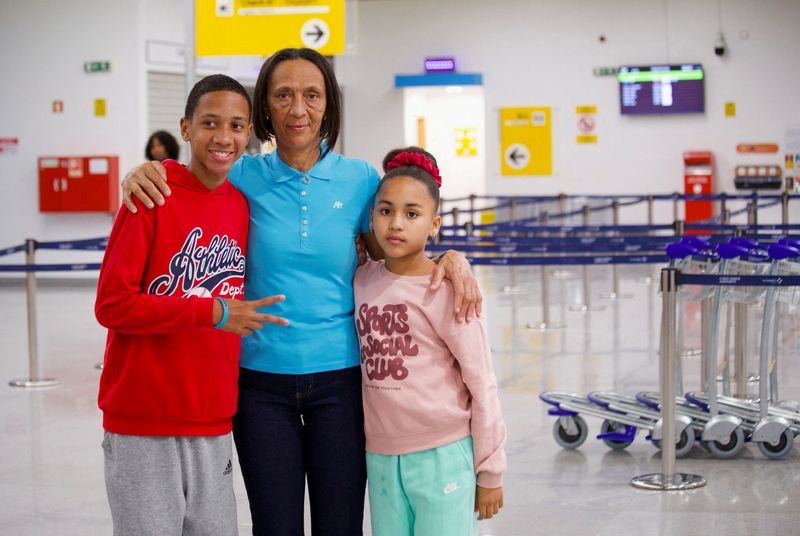
The mother of Cape Verde goalkeeper Vozinha has finally secured permission to travel to the United States and watch her son compete at the World Cup, ending a situation that had captured international attention and touched hearts across the sporting world. Ana Candida Evora will now be able to attend upcoming Cape Verde matches, beginning with their fixture against Uruguay in Miami, after the US State Department intervened to approve her visa application.
The emotional catalyst for this diplomatic action came during Cape Verde's tournament opener, where the 40-year-old goalkeeper delivered an outstanding performance that helped his island nation achieve a historic 0-0 draw against Spain in Atlanta. Vozinha made seven critical saves to thwart the European champions' offensive plays, earning recognition as his team's standout player in the match. Yet his achievement was overshadowed by the absence of the one person who mattered most to him: his mother, who had been unable to secure the necessary travel documentation to witness the moment.
When Vozinha publicly revealed that his mother had missed the game because of visa complications, his tearful disclosure resonated far beyond sports circles and generated significant attention across media platforms. The goalkeeper's emotional account highlighted the broader immigration challenges facing citizens from smaller nations seeking to enter the United States, even for special events like the World Cup. The visibility of his personal struggle prompted officials in Washington to take swift action.
US State Department representatives confirmed that their visa processing team stationed in Praia, Cape Verde's capital, had been in active communication with Evora and worked expeditiously to complete her application. Officials publicly stated they were providing all necessary assistance to facilitate her travel, affirming their commitment to resolving the matter. The State Department spokesperson indicated that the approval had been granted while maintaining compliance with all established policies and procedures, signalling both urgency and proper protocol had been followed.
The situation shed light on existing restrictions that had been implemented under immigration policies requiring citizens from certain countries to post financial bonds—sometimes reaching as high as $15,000—as a condition for entry into the United States. These requirements had created substantial financial barriers for ordinary people wishing to travel, and Evora had initially decided the expense made the journey impossible. The high costs represented a significant burden for a family in Cape Verde, where per-capita income levels are considerably lower than in developed nations.
Such bond requirements had applied to dozens of countries, creating particular hardship for citizens of smaller and less economically developed nations. The policy had been especially impactful during major international events, as family members and supporters of athletes faced unexpected financial hurdles beyond the cost of flights, accommodations, and match tickets. The situation underscored how immigration policies, while intended to serve security purposes, could have unintended consequences for ordinary people seeking to participate in global sporting celebrations.
Though the bond requirement was subsequently eliminated for holders of World Cup tickets, this change came after Evora had already resigned herself to missing her son's matches. The visa approval now allows her to reverse that decision and be present for Cape Verde's second group-stage encounter against Uruguay on Sunday in Miami. This development carries personal significance for Vozinha, who will know his mother is watching as he continues representing his country in the tournament.
For Cape Verde, a nation with limited resources but passionate sporting ambitions, the match against Uruguay represents a critical opportunity in their World Cup campaign. The island nation's qualification for the tournament was itself a notable achievement, and their impressive defensive showing against Spain demonstrated they could compete against elite European sides. Uruguay, a traditional football powerhouse from South America with significant tournament experience, will present a stern test of Cape Verde's ability to build on their opening-match performance.
The episode also reflected broader themes about accessibility and inclusion in international sporting events. The World Cup brings together supporters from around the globe, yet administrative and financial barriers can prevent many from attending. Vozinha's case became a symbol of these challenges and sparked conversations about whether special consideration should be extended to family members of competing athletes, particularly those from developing nations where travel costs and visa requirements represent disproportionate obstacles.
The State Department's intervention demonstrates how individual stories can sometimes prompt policy flexibility and humanitarian consideration. By securing Evora's visa, officials acknowledged that enabling a mother to watch her son play at sport's grandest stage aligned with the broader spirit of international cooperation that major tournaments are meant to embody. The resolution also provided a heartwarming narrative for World Cup coverage, reminding global audiences that behind the professional athletes are personal relationships and family bonds that make sporting achievement meaningful.

