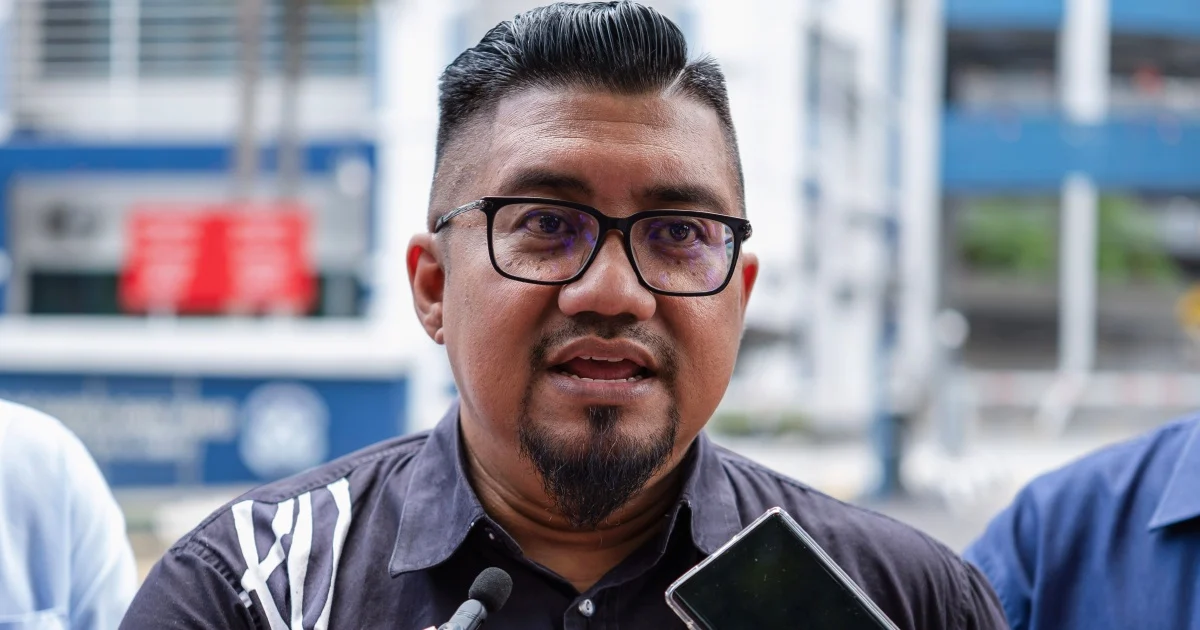
Political activist Badrul Hisham Shaharin, popularly known by his social media handle Chegubard, entered a not guilty plea at the Sessions Court in Seremban today in response to sedition charges centred on online publications he allegedly shared on Facebook. The charges specifically relate to content said to target the Negri Sembilan Royal Institution, marking another significant moment in Malaysia's ongoing jurisprudence around free speech and sedition law.
The case underscores the delicate equilibrium Malaysia continuously attempts to maintain between permitting legitimate political discourse and protecting constitutional safeguards surrounding the monarchy and royal institutions. Chegubard has established himself as a vocal commentator on Malaysian politics and social affairs through his online presence, and his legal challenge adds to a growing catalogue of cases testing the boundaries of what constitutes protected expression versus criminal sedition under Malaysian law.
Sedition charges in Malaysia fall under the Sedition Act 1948, a colonial-era statute that remains heavily employed in contemporary enforcement. The legislation prohibits content deemed to incite discontent or disaffection against the monarchy, parliament, state assemblies, and other constitutionally significant institutions. Penalties can extend to significant prison sentences and substantial fines, creating substantial consequences for those accused under this framework.
The Negri Sembilan Royal Institution occupies particular significance within the state's governance architecture and cultural identity. As a constitutional monarchy component, the institution commands protection under multiple legal frameworks, and criticism of it—particularly if deemed to undermine its authority or dignity—can trigger legal exposure. This case therefore reflects broader conversations occurring throughout Southeast Asia regarding the intersection of digital activism, social media platforms, and traditional legal structures designed for an earlier era.
Chegubard's legal team will likely argue that his Facebook posts constituted legitimate political commentary or social critique rather than seditious material intended to undermine institutional stability. Defence strategies in similar cases have frequently centred on demonstrating that speech, however critical, remains distinguishable from material genuinely designed to incite public disorder or discontent with constitutional order. The evidentiary threshold for establishing sedition requires demonstrating intentional communication with seditious purpose, not merely critical commentary.
The timing of this prosecution reflects ongoing tension within Malaysian political discourse. Digital platforms have democratised political commentary, permitting individuals like Chegubard to reach substantial audiences without traditional media gatekeeping. This accessibility has empowered civic engagement but simultaneously created enforcement challenges for authorities wrestling with how traditional criminal statutes apply to modern communications technology.
For Malaysian civil society and international observers, this proceeding carries implications extending beyond the individual defendant. Each sedition prosecution establishes incremental precedent regarding acceptable limits of expression, particularly on matters touching constitutional and royal institutions. The judicial treatment of Chegubard's case will influence how others calculate their engagement with potentially sensitive institutional critique.
The broader Southeast Asian context reveals comparable legal frameworks in neighbouring jurisdictions attempting similar balancing acts. Thailand's lèse-majesté laws carry even more severe penalties, whilst Singapore and other regional nations maintain legislation addressing sedition and institutional stability. Malaysia's approach under the Sedition Act thus reflects regional patterns of protecting cultural and constitutional sensitivities through criminal law, distinguishing the region's legal philosophies from Western liberal models emphasising maximum speech protection.
Chegubard's not guilty plea initiates proceedings that will require prosecutors to establish that his specific Facebook posts crossed the threshold from permissible criticism into seditious territory. The Sessions Court process will hear evidence regarding the posts' content, context, apparent purpose, and likely effects. Technical questions regarding platform algorithms, audience reach, and engagement metrics may factor into judicial assessment of whether the alleged seditious material genuinely posed destabilising risks.
The case also raises questions about enforcement selectivity and political motivation underlying sedition prosecutions. Critics have long contended that sedition charges sometimes reflect political calculations rather than neutral application of law, with charges appearing to concentrate against particular activist communities or political opponents. Chegubard's prosecution occurs within a Malaysian political environment characterised by considerable contestation, potentially elevating suspicions regarding motivations behind enforcement decisions.
State governments' relationships with activism and critical commentary display considerable variation throughout Malaysia. Negri Sembilan's specific political configurations and contemporary governance dynamics may have influenced prosecutorial decisions in this instance, though such contextual factors remain inaccessible to external observers. What remains clear is that this case occupies a significant position within Malaysia's continuing struggle to calibrate institutional protection with democratic expression.
As proceedings advance through the court system, observers will scrutinise judicial reasoning regarding speech boundaries and sedition thresholds. The eventual outcome will contribute meaningfully to Malaysia's evolving jurisprudence on digital expression and institutional critique, with ramifications extending well beyond Chegubard's personal legal situation toward broader implications for civil space and political discourse throughout the nation.

