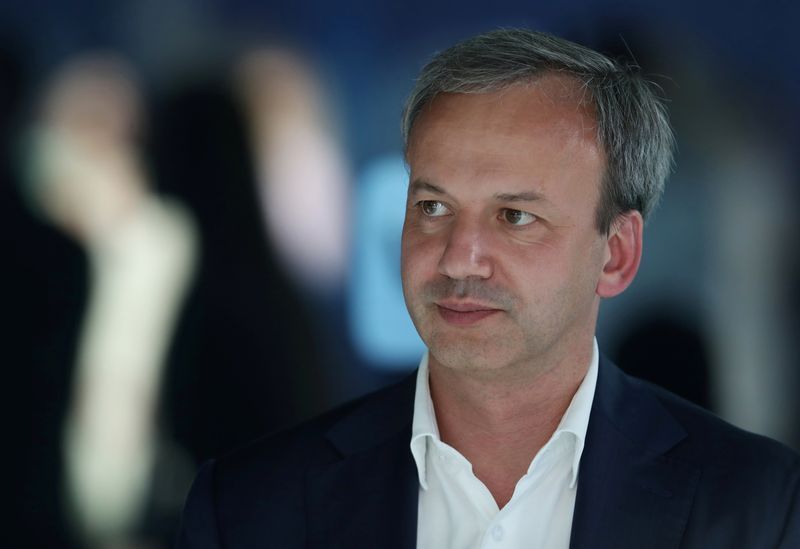
The International Chess Federation faces an unexpected leadership transition after Arkady Dvorkovich, its Russian president, announced on Friday that he would suspend his active role in running the organisation. The decision came swiftly following Dvorkovich's inclusion on the European Union's 21st sanctions list, a package released this week that targets 170 entities and 48 individuals in response to Russia's 2022 invasion of Ukraine. The punitive measures deployed by Brussels include asset freezes, travel restrictions, and transaction bans—restrictions that Dvorkovich contended would undermine the federation's ability to function effectively if he remained in post.
Dvorkovich's statement, released through FIDE's official channels, reflected both defiance and pragmatism. While he denounced the EU action as "unlawful and unfair" and committed to challenging the sanctions through every available legal avenue, he acknowledged the practical complications his sanctioned status would create. The Russian politician reasoned that permitting the sanctions to remain uncontested while continuing to lead FIDE risked destabilising the global chess body's operations and governance structures. His voluntary suspension represents a calculated step to insulate the federation from the broader geopolitical fallout between Russia and Western nations.
Viswanathan Anand, an Indian chess icon whose credentials as a multiple world champion are unquestioned, will assume control as interim president. Anand's appointment stabilises leadership during an unusually turbulent period for chess governance and provides the federation with a respected neutral figure untainted by sanctions or direct involvement in the Russia-Ukraine conflict. The move signals FIDE's intent to preserve institutional continuity and international credibility at a moment when the sport's governing body faces pressure from multiple directions.
Dvorkovich has presided over FIDE since 2018, transforming the federation from a smaller, less prominent body into a more professionally managed international organisation. Before his chess career, he served as Russia's deputy prime minister, bringing substantial political connections and administrative experience to the role. His leadership has been marked by efforts to modernise the federation's governance and expand chess's global reach. However, these accomplishments now stand overshadowed by the geopolitical crisis engulfing his homeland and the sanctions that have become routine for prominent Russian figures.
The timing of Dvorkovich's suspension complicates what was already shaping as a contested leadership race. Just last month, he publicly signalled his intention to seek re-election to the FIDE presidency, a position he presumably expected to retain. The federation's general assembly, scheduled for September at the Chess Olympiad in Samarkand, Uzbekistan, would have provided the formal electoral arena for that contest. Now, with Anand holding interim authority and Dvorkovich legally compromised by sanctions, the September election has taken on substantially different character and dynamics.
FIDE itself has been navigating treacherous political waters since June, when it suspended Russia's participation following a Court of Arbitration for Sport ruling. That suspension, though procedurally distinct from Dvorkovich's personal sanctions, reflected the federation's attempt to balance its international obligations with its internal governance challenges. Russia's expulsion from FIDE activities paralleled broader sanctions imposed on Russian sport, creating a multilayered crisis of legitimacy and participation for athletes and officials from the country.
The inclusion of Mikhail Degtyarev, Russia's Sports Minister and head of the national Olympic committee, on the same EU sanctions package underscores how thoroughly Western nations have embedded sanctions into the fabric of Russian sports governance. Degtyarev has been instrumental in orchestrating Russia's campaign to overturn its suspension from the Olympic movement, a process that achieved partial success when the International Olympic Committee lifted the suspension in recent months after Russia's Olympic Committee removed regional sports bodies from occupied Ukrainian territories from its membership rolls. His sanctioning suggests that Western leverage over Russian sports policy will persist regardless of technical progress on Olympic reinstatement.
For chess enthusiasts across Southeast Asia and beyond, these developments carry implications beyond the sport itself. FIDE's institutional health directly affects the professional pathways available to strong players seeking to compete internationally, qualify for world championship cycles, and participate in prestigious tournaments. Any prolonged governance uncertainty could create scheduling disruptions or reduce the federation's capacity to organise major events. Furthermore, the sanctions regime demonstrates how thoroughly geopolitical conflict now penetrates into nominally apolitical international sporting bodies, a reality that athletes and administrators from all nations must navigate.
The situation also illustrates the complex position occupied by ostensibly independent international sports federations when their leaders face sanctions. Dvorkovich's decision to voluntarily step aside rather than force FIDE to navigate the legal and practical complexities of sanctions compliance probably reflects recognition that his continued presence would generate more institutional friction than his departure. Yet this outcome also demonstrates how sanctions regimes can reshape international organisations without requiring explicit external pressure—the threatened consequences of non-compliance prove sufficient to alter behaviour.
Anand's interim presidency offers FIDE a period during which to stabilise operations and prepare for September's general assembly. His appointment addresses immediate concerns about institutional legitimacy while preserving the federation's ability to conduct essential business. Whether Anand will ultimately seek the permanent presidency or whether other candidates—potentially including Dvorkovich if his sanctions circumstances change—will emerge for the September vote remains unclear. The coming months will reveal whether FIDE can maintain its international credibility and functionality amid the unprecedented pressures of attempting to govern a genuinely global sport during an era of intensifying geopolitical fragmentation.

