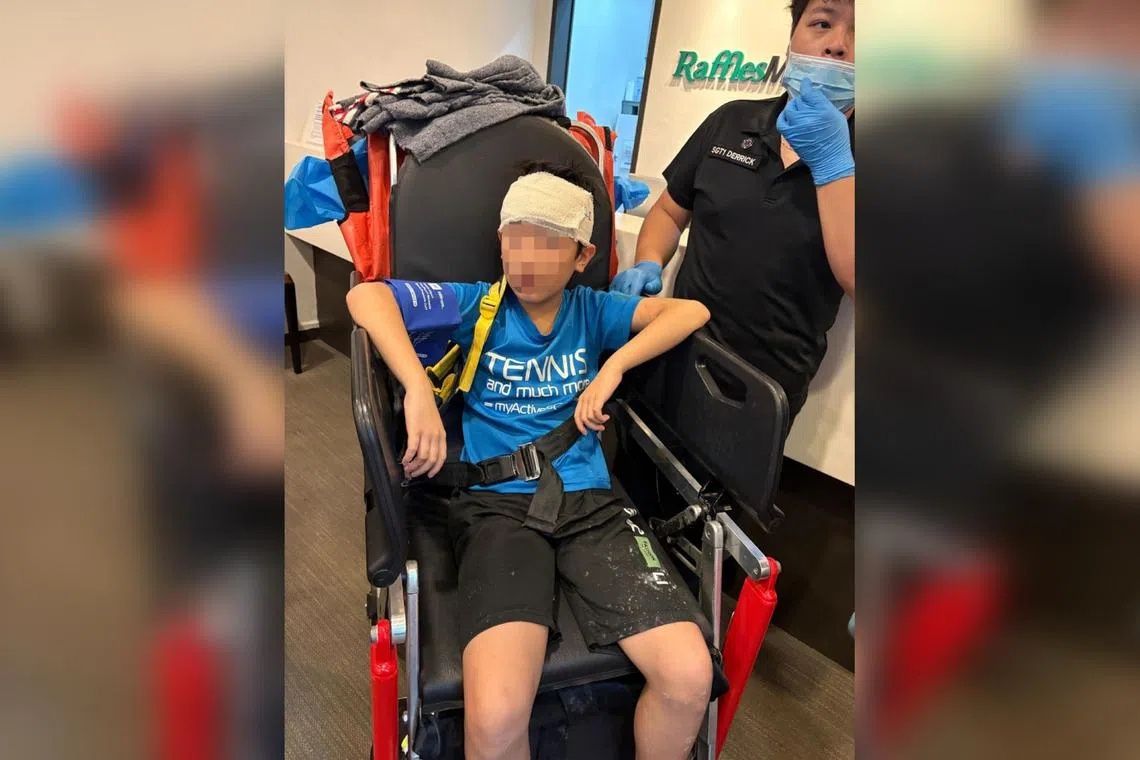
A child required hospital treatment after a signboard gave way at a Food Junction foodcourt outlet in Rivervale Mall, located in Singapore's Sengkang district, on Saturday morning. The Singapore Civil Defence Force responded to an emergency call shortly after 10.30am and transported the injured young customer to KK Women's and Children's Hospital for medical assessment and care. Following treatment, the child was discharged to rest at home, with the hospital stay serving primarily for evaluation and monitoring of injuries sustained in the incident.
Food Junction management acknowledged the accident at their Rivervale Mall location and outlined the immediate response from their operational team. A company spokeswoman confirmed that staff mobilised quickly upon learning of the incident and coordinated with both mall authorities and the emergency responders who attended the scene. The foodcourt operator emphasised the collaborative approach taken to manage the situation and assist the affected customer throughout the process.
The incident highlights potential risks associated with overhead fixtures in busy food establishments, particularly in high-traffic mall environments where children and families congregate. Signboards and suspended installations in such venues require regular maintenance and secure mounting to prevent accidents. In this case, the sudden failure of the structure resulted in debris scattered across the Food Junction entrance, as captured in footage circulated on social media platform TikTok, where onlookers can be seen maintaining a safe distance from the collapsed material.
Following the accident, Food Junction initiated a comprehensive investigation to identify the underlying causes that led to the structural failure. The operator stated that upon completing this full review, they have implemented reinforced safety protocols across their operations. These enhanced measures have been coordinated with relevant regulatory authorities to ensure compliance with established safety standards. The commitment to strengthened precautions signals an effort to prevent similar incidents in future.
Operations at the affected Food Junction outlet resumed subsequent to the incident, allowing the foodcourt to continue serving customers. However, the operator issued an apology for the unfortunate event, acknowledging the distress caused to patrons and the inconvenience resulting from the temporary disruption. This messaging aimed at reassuring the public that the incident was taken seriously and that corrective action had been undertaken.
The ground floor location of the Food Junction outlet at Rivervale Mall suggests a high-visibility, high-traffic position typical of popular dining establishments within shopping centres across the region. Such locations naturally draw larger volumes of foot traffic, including families with young children, placing greater emphasis on the maintenance and security of all fixtures and installations. The incident underscores the importance of regular inspections and proactive maintenance schedules for overhead structures in commercial foodservice environments.
Singapore's regulatory framework for building safety typically involves oversight from the Building and Construction Authority, which sets standards for structural installations and maintenance protocols. Media investigations at the scene included contact with the authority to determine whether the incident reflected any systemic issues or was an isolated case of equipment failure. The involvement of regulatory bodies in post-incident reviews ensures that accountability standards are maintained and that lessons learned can inform improvements across the broader hospitality and retail sector.
Mall management at Rivervale Mall also played an active role in the emergency response and subsequent investigation. Shopping centres, as property managers and operators, bear responsibility for ensuring that all tenant establishments maintain facilities that meet safety requirements. Collaborative investigations between mall operators, individual food outlet owners, and regulatory authorities help establish whether the failure stemmed from installation defects, inadequate maintenance, design flaws, or other contributing factors. Such transparency is essential for public confidence in the safety of retail environments.
For Malaysian and Southeast Asian readers, this incident serves as a reminder of the importance of rigorous safety oversight in high-density commercial spaces. Regional shopping malls and foodcourts operate under similar operational models, with multiple food vendors operating within shared facilities. The Rivervale Mall incident demonstrates that even in well-developed regulatory environments like Singapore, unexpected structural failures can occur, warranting continuous vigilance and maintenance. Property managers and food service operators across the region may benefit from examining their own safety protocols, inspection schedules, and staff training programmes in light of this event.
The incident also highlights the role of social media in rapidly disseminating information about safety concerns in public spaces. Video footage shared on platforms such as TikTok ensured that the incident became widely known, potentially prompting other establishments to review their own overhead installations. This transparency, while raising awareness, also places pressure on operators and regulators to demonstrate swift, effective responses to safety issues. For consumers, particularly parents and caregivers in busy foodcourts, such incidents reinforce the importance of remaining alert to environmental hazards and reporting concerns promptly to management.

