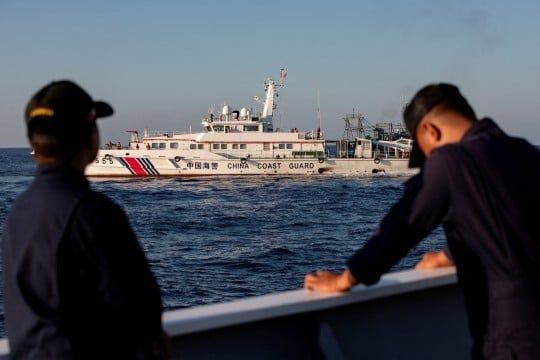
China has publicly recognised Malaysia's pivotal contributions to ongoing Code of Conduct negotiations covering the South China Sea, signalling confidence in the framework negotiations even as they approach a decisive juncture. Speaking during a media engagement in Kuala Lumpur on Tuesday, China's Ambassador to Malaysia Ouyang Yujing underscored Beijing's appreciation for Malaysia's role as co-chair in implementing the Declaration on the Conduct of Parties in the South China Sea, describing the mechanism as essential for sustaining regional stability.
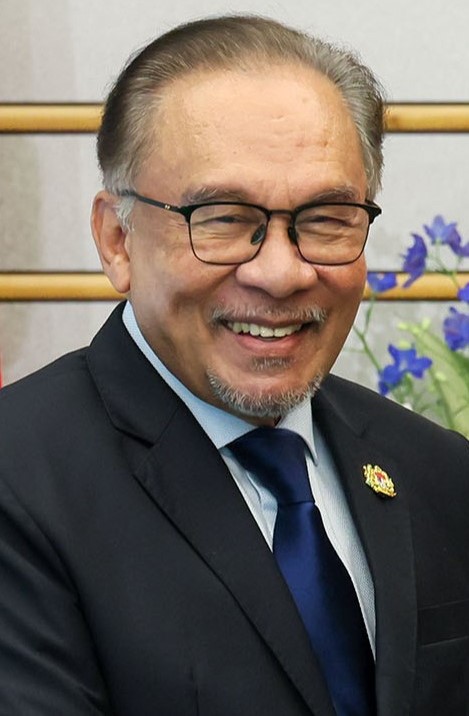
The ambassador's remarks come as Prime Minister Datuk Seri Anwar Ibrahim has reaffirmed Malaysia's commitment to accelerating the Code of Conduct process, reflecting Kuala Lumpur's balancing approach to one of Asia's most sensitive geopolitical questions. The COC represents a potential watershed moment for Southeast Asian maritime governance, offering what both China and its regional partners envision as a binding institutional framework to manage tensions and prevent unintended escalation in waters through which trillions of dollars in global trade flow annually. For Malaysian readers, the stakes extend beyond diplomatic niceties; successful COC implementation could reshape how the country navigates its own maritime interests while maintaining relationships with competing powers.
Throughout the past year, China and Malaysia have conducted sustained bilateral dialogue specifically focused on managing maritime issues within the South China Sea context. This dedicated engagement channel has enabled the two nations to identify pathways for cooperative advancement rather than allowing disagreements to dominate their relationship. The strategic importance of this communication framework cannot be understated, particularly given how other ASEAN members have occasionally found their maritime concerns overshadowed or marginalised in broader geopolitical calculations. Malaysia's persistence in maintaining these bilateral channels while simultaneously holding a co-chair position demonstrates a sophisticated diplomatic strategy.
The negotiation process has now entered what international observers and participating nations increasingly characterise as a critical phase, with multiple ASEAN leaders having publicly stated aspirations for finalisation by the end of the year. This timeline pressure reflects genuine momentum but also underlying concerns about whether consensus among all parties—including Vietnam, the Philippines, and other claimant states—can be achieved. The ambassador's emphasis on moving forward with "common ground while managing differences" implicitly acknowledges the thorny compromises required, where no party gains everything it seeks but all gain institutional mechanisms for preventing armed confrontation.
From Malaysia's perspective, successfully shepherding the COC toward completion offers tangible benefits. First, it demonstrates Kuala Lumpur's diplomatic weight and ability to influence outcomes in a major regional initiative, enhancing its stature within ASEAN and with external powers. Second, a functioning COC could provide Malaysian vessels and fishermen with clearer rules governing their operations in contested zones, reducing unpredictable enforcement actions. Third, it positions Malaysia as a responsible steward of regional peace rather than a passive actor swept along by great power competition. The co-chair role carries responsibility but also visibility and influence.
China's framing of the COC as providing "institutional guarantee for long-term peace and stability" reflects Beijing's investment in portraying itself as a stabilising force rather than a destabilising actor in the region. This rhetorical positioning matters because it shapes how the agreement will be perceived and how effectively it can operate. If all parties—particularly Vietnam and the Philippines, whose positions have historically diverged from China's—view the COC as genuinely balanced rather than favouring Beijing's strategic interests, the mechanism will carry greater legitimacy and compliance. Malaysia, as co-chair, bears responsibility for ensuring this perception of fairness.
The bilateral relationship between China and Malaysia has itself reached unprecedented heights, according to Ouyang, marked by President Xi Jinping's state visit to Malaysia last year and reciprocal high-level exchanges including Premier Li Qiang's two visits and Prime Minister Anwar Ibrahim's fourth trip to China since assuming office. This accelerated diplomatic rhythm indicates both nations view their relationship as strategically consequential. For Malaysian policymakers, maintaining this elevated engagement while preserving autonomy and balanced regional relationships requires careful calibration, particularly given Malaysia's simultaneous partnerships with the United States, Japan, and other powers.
The expanded cooperation across multiple sectors between Beijing and Kuala Lumpur—spanning trade, investment, technology, and defence—creates both opportunities and dependencies that influence Malaysia's negotiating position on maritime issues. Enhanced economic ties can strengthen Malaysia's capacity to implement agreements and withstand external pressure, but they may also limit Malaysia's willingness to advocate positions that directly oppose Chinese interests. This interdependence is not unusual in modern international relations, but it does shape the boundaries of what positions Malaysia can realistically champion regarding the COC.
Ambassador Ouyang's confidence that negotiations will complete as scheduled suggests China believes sufficient compromise positions have emerged among ASEAN members, or that continuing pressure can produce consensus. However, this assessment may underestimate the genuine divisions within Southeast Asia regarding how binding the COC should be, what dispute resolution mechanisms it should employ, and how extensively it constrains military activities. Malaysia's role becomes critical in either bridging these gaps through creative diplomatic language or in helping parties understand which concessions are non-negotiable.
Looking forward, the success of the Code of Conduct will significantly influence maritime stability throughout Southeast Asia and the Indian Ocean region. For Malaysia, whose own maritime claims and economic zones depend on clear, enforceable rules, the outcomes matter intensely. A COC that establishes genuine transparency, notification procedures for military exercises, and accessible dispute resolution mechanisms would serve Malaysian interests even if it constrains some of China's preferred operational freedom. Conversely, a COC that remains merely aspirational and unenforceable would leave Malaysia and other ASEAN members in current conditions of strategic uncertainty.
The timing and momentum evident in current negotiations suggest the international community has reached a consensus that some formal framework is preferable to continued ad hoc management of South China Sea disputes. China's public commendation of Malaysia reflects confidence that this framework will emerge in a form acceptable to Beijing, while Malaysia's continued engagement indicates belief that it can shape outcomes favourably. Whether these optimistic assessments prove justified will become clear in coming months as negotiations enter their final stages.