Beijing police have dismantled a sprawling health centre fraud ring that systematically extracted more than 10 million yuan (US$1.5 million) from over 100 elderly victims through an elaborate deception involving counterfeit medical treatments and fabricated health crises. The investigation resulted in the arrest of more than 30 suspects, unravelling a coordinated con that exploited the physical and emotional vulnerabilities of older residents across multiple districts of the capital.
The scheme came to light when the family of a woman in her 60s, surnamed Li, discovered the devastating extent of her financial losses—700,000 yuan (US$103,000)—accumulated through repeated visits to the health centre. The pattern of her spending revealed systematic exploitation, with each treatment session commanding fees of tens of thousands of yuan, gradually draining her savings as she sought remedies for health problems that never actually existed. Her case proved pivotal in helping authorities understand the broader criminal operation.
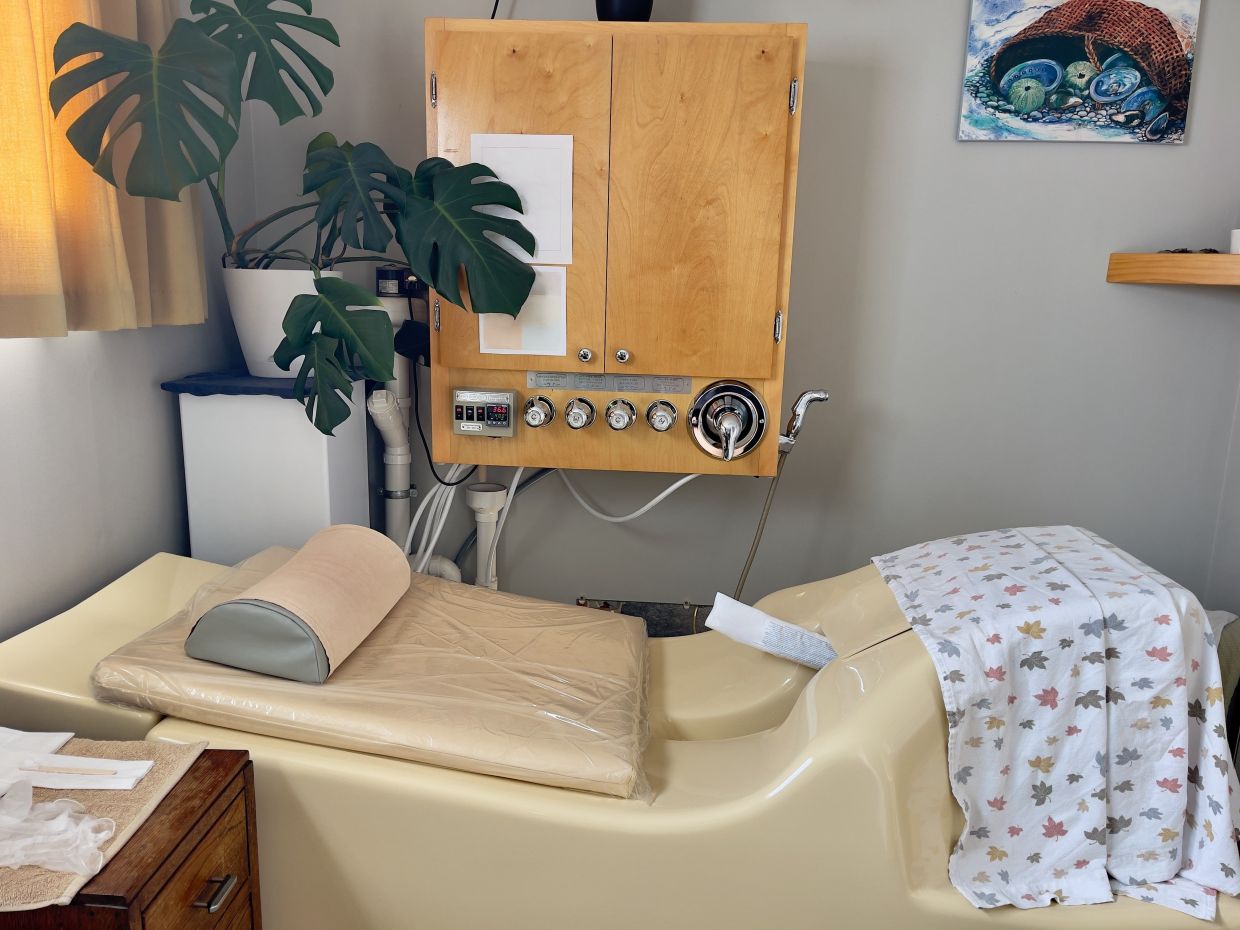
At the heart of the deception lay a crude but effective trick. The fraud operators would perform intestinal cleansing procedures on unsuspecting clients and introduce dark soy sauce—a common Chinese cooking ingredient—into the cleansing liquid. The darkened substance would emerge during the procedure, creating a persuasive visual illusion that victims were expelling dangerous bodily toxins. This theatrical performance, combined with pseudoscientific explanations from fake medical experts, convinced vulnerable elderly people that they suffered from serious conditions requiring expensive, prolonged treatment regimens.
The targeting methodology revealed calculated predation on isolation and emotional deprivation. The Beijing police identified that operators specifically pursued affluent seniors living alone or those experiencing emotional abandonment despite having living children. They deployed staff at senior centres and gathering places frequented by the elderly, offering complimentary "expert" medical consultations as entry points. These initial consultations, presented with apparent medical authority, would systematically diagnose nonexistent illnesses and prescribe costly treatments spanning months or years.
The interpersonal manipulation extended beyond medical deception. Staff members cultivated deliberately personalised relationships, remembering birthdays and demonstrating calculated attentiveness designed to create the false impression that they cared more profoundly about clients than their own children did. This emotional dependency became a critical lever for escalating spending. When one victim named Li attempted to cease treatment after exhausting her liquid savings, clinic staff resorted to direct psychological pressure, pressuring her to pawn personal jewellery, declaring that monetary concerns were irrelevant compared to her supposed health emergency.
Li's initial engagement with the centre illustrated the calculated incremental strategy. She had originally approached the facility seeking only a modestly priced 38-yuan (US$6) foot massage voucher. This low-cost entry point allowed staff to establish rapport and assess her suitability as a high-value target. Once identified as affluent and emotionally receptive, the gradual escalation began, transitioning her from minor services to increasingly expensive treatments that would eventually consume over 700,000 yuan of her wealth.
The operational infrastructure revealed the criminal enterprise's significant scale and coordination. Police discovered more than 20 fake health centres distributed across multiple Beijing districts, operating as a unified fraud network rather than independent businesses. The combined turnover across these operations exceeded 30 million yuan (US$4.5 million), a financial volume that far exceeded normal business expectations for legitimate health and wellness establishments. Individual victims suffered vastly different losses, with one documented case involving expenditure exceeding 2 million yuan (US$295,000).
The targeting of elderly populations reflects broader demographic vulnerabilities in contemporary China. As of the end of 2025, the country's population aged 60 and above reached 323 million people, comprising 23 per cent of the total population. Within this cohort, approximately 60 per cent were classified as empty-nesters—elderly individuals living without co-resident children due to either not having offspring or having children residing in separate locations. This demographic reality creates significant pools of isolated, financially independent individuals with time and emotional needs that fraudsters systematically exploit.
The scam's operational success depended fundamentally on weaponising legitimate elder care services and medical consultation as entry vectors for fraud. The fake experts utilised intimidation, pseudoscientific language, and manufactured diagnostic urgency to overcome consumer skepticism. They understood that elderly populations, particularly those experiencing social isolation, represent exceptionally vulnerable targets for fraudulent health claims and expensive treatment protocols they cannot adequately evaluate.
Industry observers have highlighted the systemic nature of the problem. Commentary following the arrests emphasised that numerous similar health centres continue operating across China, luring seniors through promotional gift schemes and free consultations. The fraudulent health centre sector persists partly because regulatory oversight remains insufficient to prevent establishment and operation of unlicensed facilities with fake practitioners. Consumer education targeting elderly populations about deceptive practices remains limited.
The implications extend beyond individual financial losses. These scams erode trust in legitimate healthcare providers and dissuade elderly individuals from seeking genuine medical attention when needed. The psychological trauma of discovering one has been systematically deceived by people who cultivated personalised relationships compounds the financial damage. For Malaysia and other Southeast Asian nations with ageing populations and similar cultural patterns of filial responsibility and elder care, this case demonstrates vulnerabilities that local authorities should proactively address through regulatory frameworks, public awareness campaigns, and protection mechanisms specifically designed for vulnerable senior populations.

