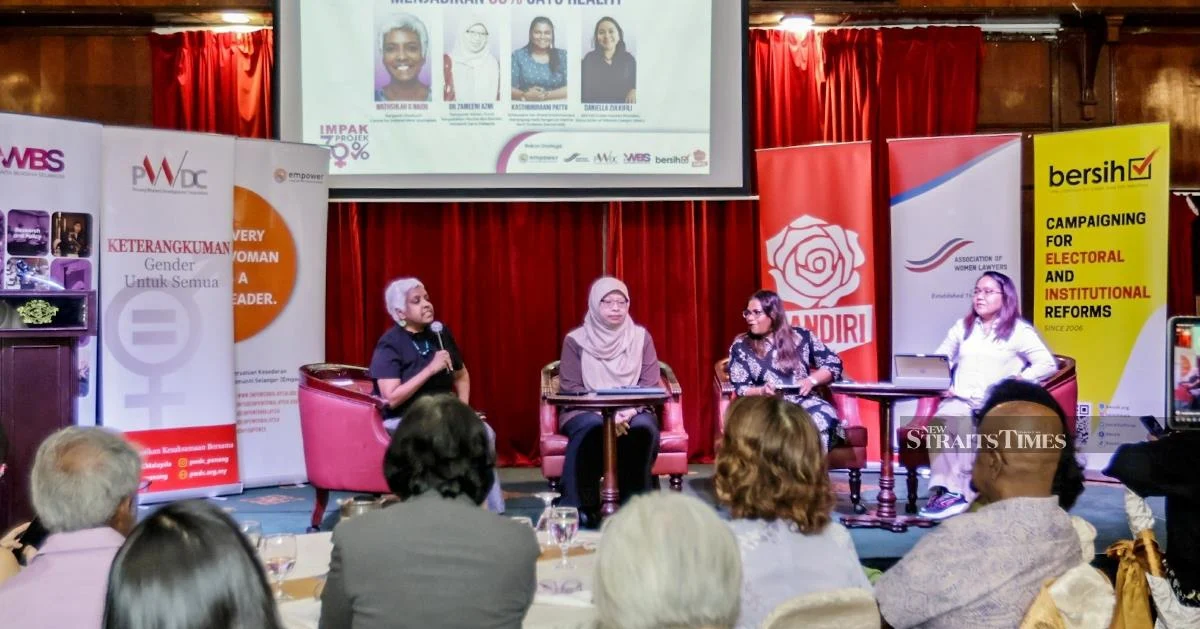
Malaysian civil society groups have intensified their campaign for gender equity in politics by formally submitting a memorandum and draft legislation to the government that would mandate political parties to ensure women comprise at least 30 per cent of their candidates in the next general election. The submission, delivered in Kuala Lumpur, represents a coordinated effort among multiple non-governmental organisations to institutionalise women's representation through legislative means rather than relying on voluntary party commitments.
The proposed draft law addresses a longstanding disparity in Malaysian electoral politics, where women's participation as candidates has historically lagged significantly behind their male counterparts. By pushing for a legislated quota rather than a guideline or voluntary target, the coalition is attempting to create a binding requirement that would apply uniformly across all registered political parties, removing the discretion that has previously allowed parties to maintain predominantly male candidate slates. This strategic shift from persuasion to legal enforcement reflects growing frustration with incremental progress under non-binding frameworks.
The timing of this submission, ahead of what many analysts expect to be contested electoral cycles, carries particular significance for Malaysian politics. The organisations recognise that waiting for the next general election represents a critical window for legislative action, as any new law would need to be enacted and gazetted before campaign periods commence. The 30 per cent threshold itself represents a carefully calibrated target—ambitious enough to drive meaningful change in candidate diversity, yet pitched at a level proponents believe could achieve broader political consensus compared to parity demands.
Women's underrepresentation in Malaysian politics extends beyond candidate selection to elected office, where they currently hold a fraction of parliamentary and state assembly seats. This structural imbalance persists despite Malaysia's significant female population and increasing educational attainment among women. The civil society coalition's intervention suggests that organic market forces and cultural attitudes have proved insufficient to correct this disparity, necessitating government-mandated mechanisms. The memorandum accompanying the draft legislation likely detailed empirical research on women's electoral viability and success rates, countering arguments that women candidates are electorally disadvantageous.
The draft legislation would represent a significant intervention in Malaysia's electoral mechanics, fundamentally altering how political parties construct their candidate lists. Implementation would require oversight mechanisms to verify compliance, potentially involving the Election Commission or another regulatory body tasked with validating that registered parties meet the threshold across their nominated candidates. Such enforcement mechanisms would need careful calibration to avoid driving parties toward symbolic rather than substantive inclusion of women, where female candidates are relegated to unwinnable seats.
Regional context adds weight to this Malaysian initiative. Several neighbouring democracies have experimented with gender quotas at various governance levels, providing both cautionary tales and success models that Malaysian policymakers can study. Thailand, Indonesia, and the Philippines have implemented quota systems with varying degrees of effectiveness, offering practical lessons about implementation challenges and unintended consequences. Malaysia's civil society is clearly leveraging this regional experience to strengthen their policy advocacy.
The submission arrives amid broader conversations about institutional reform in Malaysian politics. Progressive policymakers have increasingly acknowledged that demographic representation in legislative bodies affects policy priorities and governance perspectives. Women's inclusion in candidate selection could influence party platforms on issues ranging from family law to education and healthcare, areas where gender-differentiated impacts warrant diverse decision-making perspectives. This argument extends the debate beyond symbolic inclusion toward substantive policy implications.
Political party responses will prove crucial to understanding the legislation's prospects. Some parties may view mandatory quotas as unwelcome government interference in internal party affairs, while others might strategically embrace the change to enhance their electoral appeal to female voters and professional classes. Ruling coalition parties face particular pressure, as accepting the draft law would require parliamentary sponsorship and floor support. Opposition parties might position themselves as either progressive champions or protectors of meritocratic selection, depending on their existing gender composition and strategic calculations.
Implementation challenges extend beyond political resistance to practical considerations about women candidate recruitment and support. Parties would need to identify and develop female candidates with competitive viability, requiring investment in grassroots organising and candidate training that many parties currently allocate primarily to male candidates. The 30 per cent target would necessitate substantial expansion of women's political participation infrastructure, from mentorship programmes to campaign funding mechanisms specifically designed to support female aspirants. Without accompanying support measures, quota requirements risk creating merely decorative representation.
The memorandum submission itself represents tactical savvy by civil society, creating a formal documentary record of their demand and establishing clear accountability benchmarks against which future governments can be measured. Whether this initiative succeeds in producing legislative change within the proposed timeline depends on political calculations that extend well beyond gender equity considerations into coalition dynamics, electoral calculations, and broader reform agendas. Nevertheless, the submission has elevated women's representation from an aspirational goal to a concrete policy proposal demanding governmental response and parliamentary deliberation.
Longer-term implications of successful quota legislation would reshape Malaysian electoral politics fundamentally. Beyond the immediate increase in women candidates, normalising female political participation at scale could alter voter expectations and party cultures. Subsequent cohorts of female candidates might leverage their presence to push for additional reforms regarding childcare, workplace equity, and political party transparency. Thus the 30 per cent quota potentially represents not merely a symbolic target but an inflection point with cascading consequences for Malaysian governance structures and political culture.

