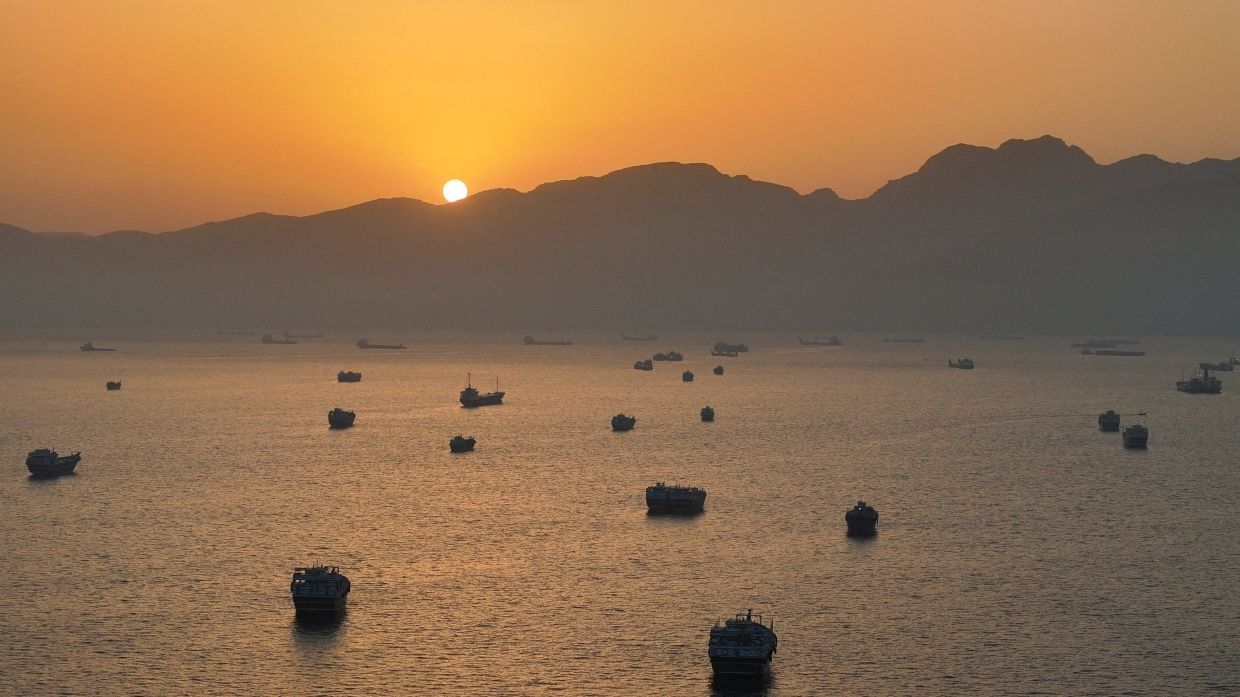
A critical shipping logjam at one of the world's most strategically important waterways is finally breaking open. Three crude tankers collectively carrying 5 million barrels of oil successfully exited the Strait of Hormuz on Wednesday, marking a tangible shift in regional dynamics following the interim agreement between Iran and the United States. The movement comes as welcome news for refiners across Asia, particularly in South Korea and India, who have watched anxiously as geopolitical tensions trapped unprecedented quantities of petroleum within the Persian Gulf.
The South Korean Very Large Crude Carrier VL Breeze led the exodus, carrying 2 million barrels of combined Qatari condensate and Abu Dhabi crude bound for the refining hub of Daesan. This vessel, chartered by the major South Korean refiner Hyundai Oilbank, represents the type of mega-tonnage that has been sitting idle since the outbreak of Middle East hostilities. Meanwhile, the Liberian-flagged Plata Carrier, operating under charter to Indian Oil Corporation, departed with 2 million barrels of Saudi crude, signalling renewed activity in Asia-Indian Ocean trade routes that have been disrupted for months. A third tanker, the Suezmax Prudent Warrior, also under Liberian registry, completed the convoy with 1 million barrels of Iraqi Basrah crude destined for the Omani port of Sohar.
The breakthrough reveals the extraordinary backlog that had accumulated within the Gulf's confines. Shipping analysts at Kpler and Vortexa estimated last week that approximately 90 million barrels of crude remained stranded within the region, representing an economically crippling inventory of petroleum waiting for safe passage. This figure underscores both the severity of the disruption and the potential supply relief that these departures now provide to nervous global energy markets. For Malaysia and other Southeast Asian economies dependent on stable crude imports, the gradual clearing of this bottleneck carries direct implications for energy security and refining profitability.
South Korea's maritime ministry confirmed the broader trend, reporting that four vessels operated by South Korean shippers had transited the strait and were sailing toward their respective destinations, including one bound for South Korean shores and others heading to unnamed third countries. This administrative acknowledgement demonstrates that the movement extends beyond a few isolated cases but reflects a genuine shift in shipping patterns. However, the ministry's data also illustrates the magnitude of ongoing disruption: of the 26 vessels initially stranded since the conflict's inception, eighteen remain bottled up within the Gulf, indicating that while progress is being made, normality remains distant.
The safer passage of these tankers owes much to the maritime infrastructure established by Oman and the International Maritime Organisation in response to the crisis. The two nations designated temporary shipping corridors running both north and south of the conventional sea lane through the strait, creating alternative routes designed to reduce collision risks and provide psychological reassurance to nervous ship captains and their insurers. Oman's formal commitment to maintain the strait's openness without imposing transit tolls represents a critical diplomatic contribution to stabilising regional shipping. For the sultanate, this generous position reflects its broader strategic interest in maintaining commercial flows and avoiding the economic isolation that would accompany a genuine closure of Hormuz.
Liquefied natural gas markets are also responding to the improved outlook. Two empty LNG carriers—Shandong Redwood and Milaha Qatar—were recently observed west of the strait in position to load cargoes from Qatar, bringing the total number of empty LNG vessels known to be transiting Hormuz to load at Qatari facilities to nine. This represents the highest volume of LNG tanker traffic observed since the regional conflict began, suggesting growing confidence that the temporary deal will hold and normalcy can be restored. Qatar's pivotal position as a major global LNG supplier gives this movement particular weight for energy markets extending from Europe to East Asia.
Qatar's own statements reinforce this optimistic trajectory. Prime Minister Sheikh Mohammed bin Abdulrahman al-Thani indicated to the Financial Times that the Gulf state expects to resume normal LNG production levels within a matter of weeks, a timeline that would have seemed impossibly optimistic just weeks earlier. For Qatar, which depends heavily on LNG revenues and maintains significant export contracts throughout Asia, this recovery window is economically critical. The statement also suggests confidence in the durability of the Iran-US arrangement, since any collapse would immediately jeopardise these production targets.
For Malaysia's energy sector and regional stability, these developments carry multifaceted implications. As a Southeast Asian economy with exposure to global crude and liquefied gas prices, Malaysia benefits directly from supply restoration and the downward pressure it exerts on energy costs. Higher oil supplies typically translate to lower input costs for refiners, petrochemical producers, and utilities throughout the region. The Strait of Hormuz remains responsible for roughly one-third of globally traded seaborne petroleum, making even modest changes in its flow consequential for distant markets.
The interim nature of the Iran-US agreement introduces an element of fragility to these gains. Should diplomatic negotiations falter or external shocks reignite tensions, the corridor improvements could rapidly evaporate, potentially trapping vessels once again. Insurance premiums and risk assessments will likely remain elevated until a more permanent framework emerges. Shipping companies and refiners across Asia are presumably monitoring developments carefully, balancing the opportunity to secure discounted crude against the possibility of sudden reimposition of constraints.
As the week unfolded with these tankers making their passages, global crude prices reflected the supply relief, with market sentiment shifting from crisis management toward cautious normalcy. For Southeast Asian refineries, petrochemical plants, and electricity generators, the resumption of relatively steady flows through Hormuz provides both immediate cost benefits and strategic breathing room. Whether this current trajectory represents the beginning of genuine de-escalation or merely a temporary interlude remains the paramount question shaping energy markets and regional geopolitics alike.

