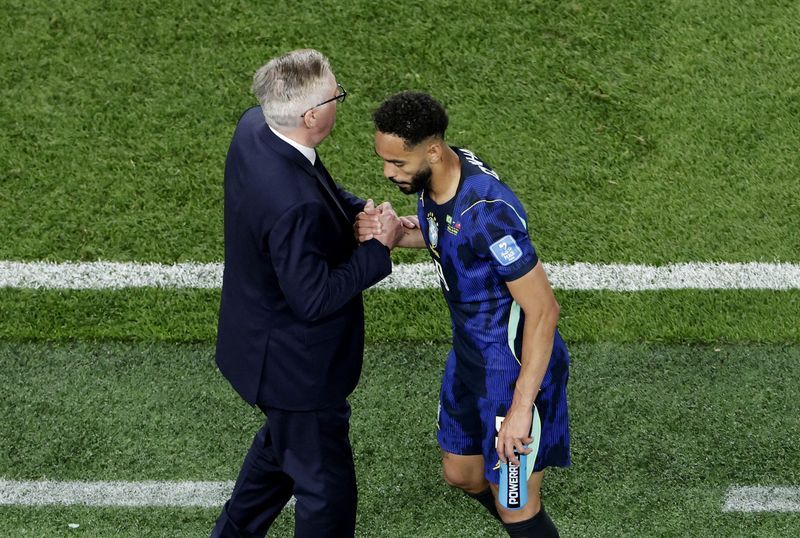
Brazil's convincing 3-0 demolition of Haiti in Philadelphia on June 19 offered coach Carlo Ancelotti his first genuine opportunity to demonstrate a coherent tactical vision after the disappointing 1-1 stalemate with Morocco in their Group C opener. While the emphatic scoreline against limited opposition should be viewed with appropriate caution, the performance nonetheless provided Brazilian supporters with tangible evidence that their team possesses a functional blueprint for the tournament ahead, moving beyond the confusion and rhythm-less football that characterised their opening match.
The catalyst for this tactical clarity emerged through a pair of deliberate substitutions Ancelotti implemented between matches. Rather than persisting with an unbalanced approach, the Italian tactician withdrew Igor Thiago from the attacking line and introduced Matheus Cunha, a restructuring that immediately transformed Brazil's connectivity between their midfield and forward areas. This switch did not represent a dramatic philosophical overhaul, but rather a calculated adjustment designed to restore the natural flow and positional understanding that had been absent during their sluggish performance against Morocco. Cunha's presence immediately injected purposefulness into combinations that had previously stalled in Brazil's final third.
The most compelling element of Brazil's improved display centred on the emergence of Ancelotti's diamond midfield configuration, a formation concept that finally delivered visible coherence against Haiti's accommodating approach. Lucas Paqueta, whose struggle in the first half against Morocco had drawn considerable criticism from analysts and supporters alike, discovered far greater comfort operating from the left-sided midfield position. Functioning as a hybrid between a midfielder and attacking support player, Paqueta provided consistent supply and intelligent movement for Vinicius Jr, while simultaneously establishing natural passing combinations with Cunha that created multiple attacking opportunities along Brazil's left corridor.
Cunha's performance against Haiti demonstrated precisely why Ancelotti identified him as essential to restoring balance. Rather than remaining stationary, the Atletico Madrid forward constantly shifted position, drifting inward and outward to create pockets of space and numerical advantages in key areas. His tireless movement unlocked passing lanes that allowed Paqueta and Vinicius to operate with genuine fluidity, a dynamic absence since Neymar suffered serious injury robbed the left flank of its traditional creative force. The three goals that Brazil manufactured all emerged from this rejuvenated left-sided axis, vindicating Ancelotti's substitution choice and suggesting a formula worth developing against more formidable opponents.
Yet the victory against Haiti, despite its convincing nature, simultaneously exposed concerning vulnerabilities on the opposite flank that could prove problematic against stronger nations. Barcelona winger Raphinha, tasked with operating as a right-sided attacker, failed to generate meaningful impact and appeared uncomfortable throughout his spell on the pitch. His difficulty transcends simple tactical positioning; Raphinha had missed an earlier training session due to blisters affecting his feet, a physical issue that manifestly undermined his sharpness and decision-making from the opening moments. In club football, Raphinha typically operates in a more central, flexible capacity similar to Cunha's role against Haiti, yet Brazil's current tactical setup pins him to the touchline, limiting his ability to influence proceedings and creating a mismatch between his strengths and his assigned responsibilities.
Beyond surface-level positioning concerns, Raphinha's performance raised uncomfortable questions about whether his evening stemmed from unresolved physical ailments rather than pure tactical misunderstanding. His passing proved uncharacteristically imprecise, simple balls slipped from his control, and his timing on movements appeared consistently delayed. Should the blister issue persist or worsen, Brazil faces uncomfortable selection dilemmas for upcoming matches against Scotland and potentially beyond. Luiz Henrique emerged as the most credible alternative should Raphinha require extended rest, though substitute Rayan's introduction in place of Raphinha failed to generate immediate tactical improvement, suggesting the right flank remains a vulnerability requiring urgent attention.
Ancellotti must also confront mounting uncertainty regarding whether veteran midfielder Casemiro, now aged 34, possesses the physical capacity to withstand pressure from more demanding opponents. While the former Manchester United midfielder performed adequately against Haiti's unambitious approach, his defensive positioning and recovery pace will face genuine examination once Brazil encounters teams willing to press aggressively and exploit gaps in the deeper midfield. Bruno Guimaraes, who operated with considerable fluidity as a right-sided midfielder throughout the Haiti contest, could potentially relocate deeper into a more orthodox midfield role to provide additional defensive solidity and assist in constructing play from Brazil's foundation. This tactical flexibility suggests Ancelotti recognises potential frailties in his current setup and remains willing to recalibrate as circumstances demand.
The Haiti victory, while undoubtedly encouraging, represented incremental progress rather than a statement performance. Against an opponent willing to engage Brazil's midfield with naive abandon and little tactical discipline, Ancelotti's diamond configuration demonstrated theoretical promise. However, Scotland and subsequent opponents will present substantially greater resistance, demanding considerably sharper execution and more consistent intensity than Haiti required. The emergence of Cunha as a pivotal figure provides Brazil with a tangible attacking weapon and an element of creative unpredictability, yet unresolved issues on the right flank and durability questions surrounding Casemiro suggest Ancelotti's tactical blueprint remains incomplete. Brazil appears to have identified a functional direction, but considerable refinement remains necessary before truly testing this system against elite opposition.

