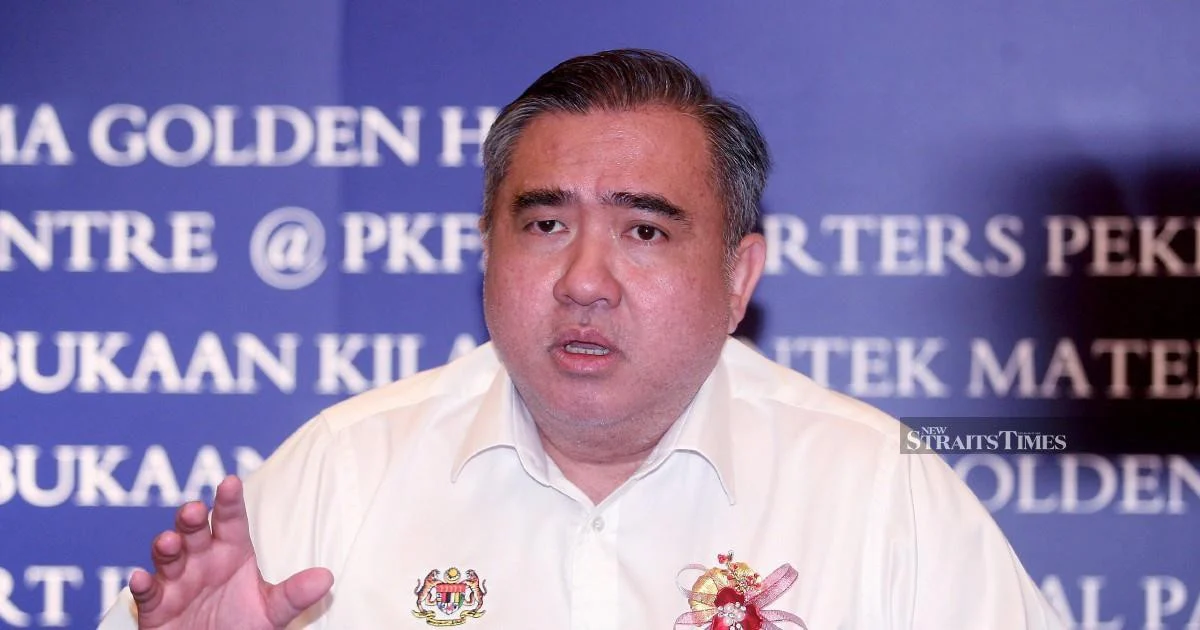
The Democratic Action Party is set to formally announce its complete roster of candidates for the upcoming Johor state election during an event tonight, signalling that the opposition coalition is moving into an intensive phase of campaign mobilisation. The unveiling represents a significant moment in the political calendar for the peninsular state, as one of the leading opposition parties reveals the individuals it believes can best represent its vision and win support at the ballot box.
Johor, Malaysia's southernmost peninsular state, remains a crucial battleground in national politics. With its substantial population and historical significance as a traditional stronghold of the ruling Barisan Nasional coalition, any shift in voter preferences would have ripple effects across the country. The state election therefore commands attention not only from Johor residents but from political observers across Malaysia who view contests here as bellwethers for broader electoral trends.
The DAP's decision to formally unveil its candidates reflects standard pre-election procedure, yet the timing and logistics of such announcements carry strategic weight. By presenting a unified slate simultaneously across multiple constituencies, the party seeks to establish narrative control, generate media coverage, and create momentum heading into the campaign period. The formal unveiling also allows the party to frame its candidate selection as deliberate and inclusive, addressing questions about representation, diversity, and the party's vision for state governance.
Candidate selection in Malaysian elections typically involves balancing multiple considerations. Parties must weigh the electoral viability of individual candidates against broader representational needs, including ethnic composition, gender balance, and geographical distribution. For DAP, which draws significant support from urban Chinese voters but increasingly seeks to broaden its coalition appeal, candidate choice becomes even more nuanced. The party must demonstrate that it offers something for multiple communities while maintaining core support among its traditional base.
Johor's political landscape has undergone notable transformation in recent years. The state witnessed significant political realignments during the 2018 general election and subsequent by-elections, with younger voters and urban populations showing willingness to consider opposition alternatives to the long-dominant ruling coalition. However, the state remains more conservative than urban centres like Kuala Lumpur and Selangor, requiring DAP to calibrate its messaging and candidate selection accordingly.
The DAP's participation in opposition coalitions has evolved considerably. The party now operates within broader multi-ethnic alliance frameworks rather than pursuing a narrowly communal appeal. This structural reality influences candidate selection, as coalition partners expect equitable distribution of winnable seats and meaningful representation. Tonight's unveiling will therefore reveal not only the DAP's individual candidate choices but also the broader political negotiation that has preceded them.
For Malaysian voters, particularly those in Johor, candidate announcements provide the first substantive information about who will actually represent them should opposition parties win. Unlike national campaigns where personalities and broad policy platforms dominate discourse, state elections often hinge on local issues, constituency-specific concerns, and the perceived credibility and competence of individual candidates. Voters assess whether candidates possess genuine roots in their constituencies, understand local grievances, and possess the capacity to deliver tangible benefits.
The opposition coalition's readiness to announce its slate also signals confidence in its preparation and organisational capacity. Election campaigns require sophisticated coordination across messaging, ground operations, volunteer mobilisation, and financial resources. Parties that move decisively through candidate selection and public announcement phases demonstrate that they have completed essential groundwork and can execute a coherent campaign strategy. Conversely, delays or chaotic processes invite criticism about disorganisation and internal dysfunction.
The broader context for Johor elections involves demographic and economic shifts that affect political calculations. Urban expansion, migration patterns, educational attainment levels, and economic anxiety all influence voter behaviour. Younger voters, particularly those in growing urban areas, often exhibit different political preferences than older cohorts. DAP's candidate selection will likely reflect efforts to appeal to this demographic while not abandoning support in established heartland areas.
Media coverage of tonight's unveiling will focus on identifying winnable candidates, assessing the diversity of the slate, and evaluating whether the announcement reveals anything about internal party dynamics or coalition arrangements. Analysts will scrutinise whether the DAP has fielded candidates in constituencies where it has genuine competitive prospects or whether some nominations appear primarily symbolic. Such assessments help predict likely electoral outcomes and reveal shifting political calculations within the broader opposition ecosystem.
The path from candidate announcement to actual election victory involves extended campaigning, grassroots engagement, and sustained effort to persuade voters. Tonight's event therefore represents merely one milestone in a longer political process. Nevertheless, it offers the public its first concrete information about who the DAP believes should lead the party and the state, making it a moment of genuine political significance for Johor and Malaysia's evolving democratic landscape.

