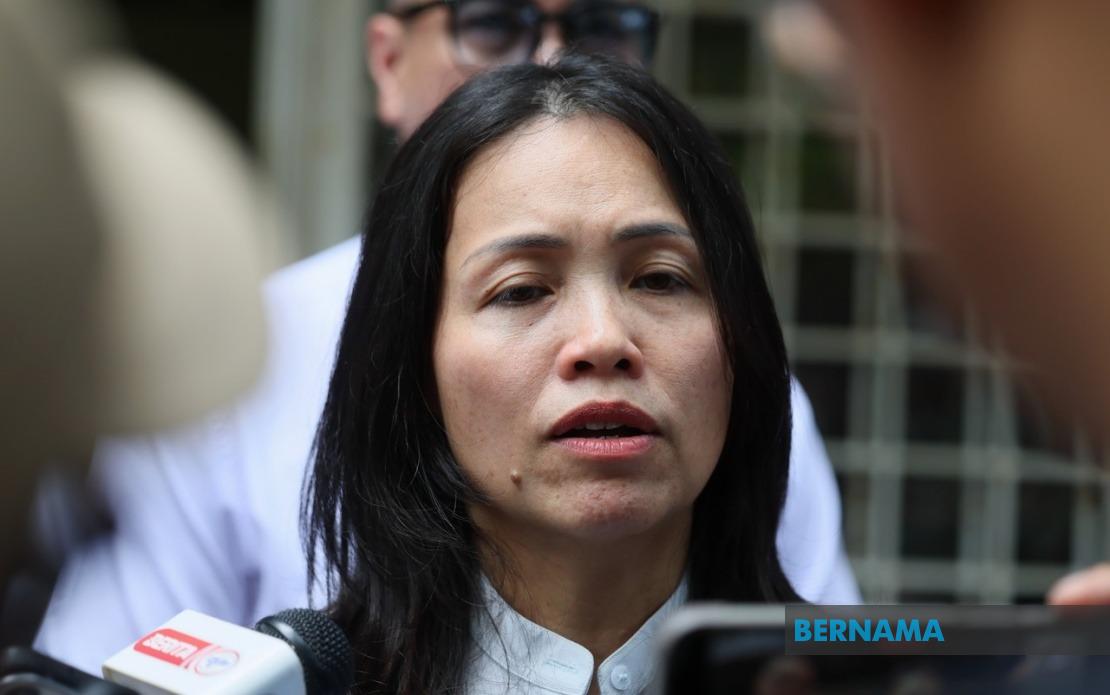
As Malaysia's voters prepare for the Johor state election on July 11, the Democratic Action Party has raised alarm over what it characterizes as a coordinated disinformation effort designed to undermine support for the opposition coalition. Johor DAP chairman Teo Nie Ching said on June 17 that certain parties have been deliberately manipulating campaign posters featuring potential DAP candidates, doctoring images to depict them as Muslim women wearing headscarves in what the party regards as an inaccurate and inflammatory manner.
The tactic, according to Teo, appears calculated to inflame existing tensions and exploit religious sensitivities among the electorate. By misrepresenting the candidates' identities and religious affiliation, the perpetrators aim to instil anxiety specifically among non-Malay voters, particularly the Chinese community, thereby discouraging support for Pakatan Harapan in the contest. This strategy reflects a broader pattern of identity-based political messaging that has become increasingly common in Malaysian electoral campaigns, where appeals to communal anxieties can serve as powerful mobilization tools.
Teo, who also serves as chief of Wanita DAP and holds the position of Deputy Communications Minister, responded sharply to what she characterized as contemptible conduct. She emphasized that the DAP maintains profound respect for all religious traditions and recognizes that the headscarf holds sacred significance within Islamic practice. The party stated unequivocally that religious symbols and practices should never become instruments of political manipulation or objects of trivial exploitation for electoral advantage.
Beyond the religious dimension, Teo framed the poster manipulation as a form of disrespect towards women in politics. The deliberate alteration of candidates' appearances and identities raises questions about the treatment of female political figures in Malaysian democracy. This gendered dimension of the campaign tactics highlights how misinformation campaigns often target women candidates with particular ferocity, using distortions of appearance and identity as weapons to delegitimize their candidacies.
The DAP's response underscores the party's historical positioning as a defender of pluralistic principles and individual rights across Malaysia's diverse population. Teo reiterated that the party has consistently championed the interests and dignity of all Malaysians irrespective of ethnicity, geographic origin, religious belief, or gender identity. This framing allows the DAP to position itself as a bulwark against divisive politics that exploit communal fault lines for narrow partisan gain.
The timing of these allegations carries significance within the broader Johor electoral context. With nomination day set for June 27 and polling day on July 11, the election season has entered its critical phase, when campaign narratives solidify and voters begin making final decisions. Misinformation campaigns typically intensify during such periods, as competing parties seek maximum impact with limited time remaining to influence public opinion. The early exposure of these tactics provides voters with opportunity to contextualize political messaging they encounter in subsequent weeks.
Johor's electoral composition has become increasingly contested in recent election cycles. The state assembly holds 56 seats distributed among multiple political formations. Before dissolution of the assembly on June 1, Barisan Nasional held a commanding position with 40 seats, while Pakatan Harapan controlled 12 seats. Perikatan Nasional held three seats, and MUDA claimed one, demonstrating the fragmented nature of Malaysian state-level politics. The opposition coalitions' combined 16 seats represent a substantial challenge to BN's long-standing dominance in Malaysia's economically significant southern state.
Teo's appeal to voters of all communities to reject divisive tactics reflects an attempt to reframe the election as a choice between competing visions of Malaysian identity and governance. By highlighting smear campaigns and misinformation as threats to democratic integrity, the DAP endeavours to shift focus away from policy debates towards questions of electoral fairness and respect for democratic norms. This approach assumes that voters, when confronted with evidence of manipulation, will recognize it as an affront to their collective interests regardless of their communal background.
The poster manipulation allegations also illuminate the evolving nature of political campaigns in the digital age. Although the specific posters referenced appear to be physical materials, their creation, distribution, and amplification likely involved digital platforms that enable rapid replication and viral spread. This technological dimension means that false representations can reach vast audiences within hours, creating reputational damage difficult for candidates to remedy through conventional rebuttals. The decentralized nature of digital circulation also complicates identification and accountability of those responsible for creating and disseminating such materials.
Election Commission procedures provide a formal framework for the Johor election's conduct. The June 27 nomination day will formalize the slate of candidates from each party, allowing voters to see the actual individuals standing for election rather than speculative representations. This transition from prospective candidates to formally nominated contenders offers a natural corrective to misinformation campaigns based on distorted images of unnamed individuals. Voters can then evaluate actual candidates based on their qualifications, track records, and policy platforms rather than on manipulated representations.
The incident raises broader questions about responsibility and accountability in Malaysian electoral politics. While the DAP has identified the occurrence of poster manipulation, establishing the identity of those responsible presents significant challenges. Without clear attribution, determining appropriate sanctions becomes difficult. This accountability gap reflects a persistent vulnerability in Malaysia's political system, where coordinated smear campaigns can proceed with limited prospect of meaningful consequences for perpetrators, particularly when actors operate through informal networks rather than official party structures.
For Southeast Asian observers, the Johor election illustrates patterns of electoral contestation increasingly visible across the region. Competition between established ruling coalitions and revitalized opposition forces, combined with emerging anxieties about identity and social change, creates fertile conditions for divisive campaign tactics. Malaysia's experience with managing such tensions, including mechanisms for media regulation and electoral oversight, offers instructive lessons for neighbouring democracies navigating similar political turbulence.