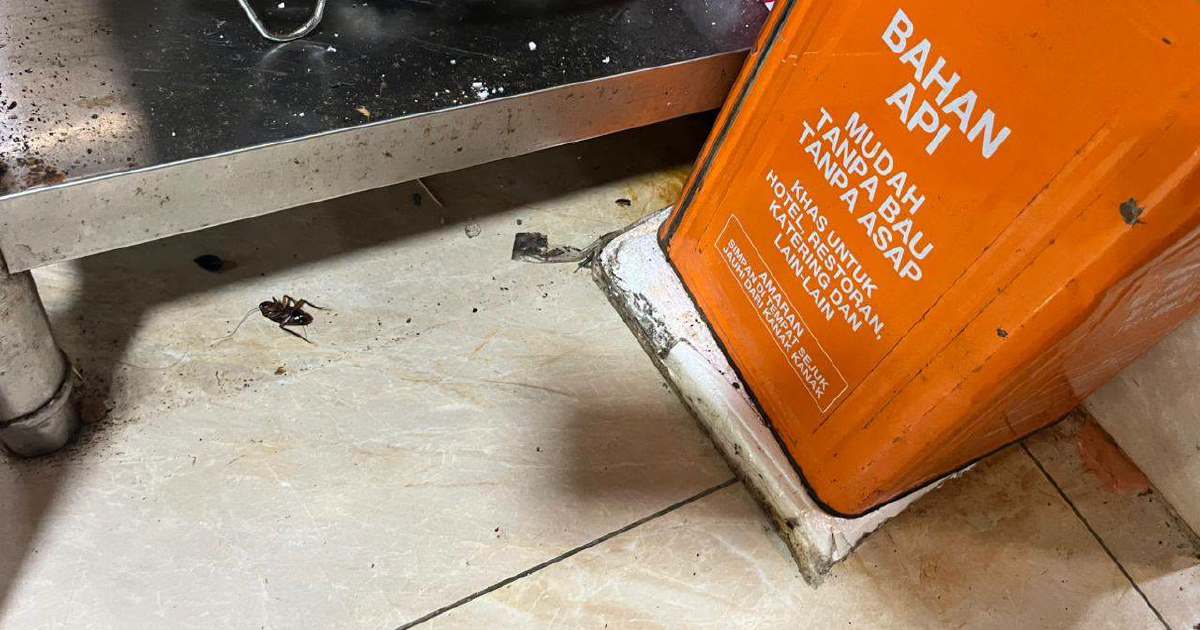
Kuala Lumpur City Hall (DBKL) has launched an aggressive hygiene enforcement campaign in one of the capital's most celebrated eating districts, issuing 74 notices and temporarily closing six food establishments in Jalan Alor, Bukit Bintang, during a comprehensive inspection operation. The action underscores mounting regulatory concerns about sanitation standards in the bustling street, which attracts thousands of local and international diners daily seeking authentic Malaysian street food.
The special enforcement exercise revealed troubling infestations including cockroaches and rats at several premises, triggering immediate closure orders and compound notices against the non-compliant operators. Such discoveries in a high-profile tourist and food destination raise questions about whether the popular eating quarter has experienced a deterioration in hygiene practices, or whether increased regulatory scrutiny has simply exposed long-standing issues previously overlooked. The enforcement action demonstrates that DBKL is willing to take swift action against establishments that fail to meet food safety standards, regardless of their commercial prominence or customer popularity.
Jalan Alor has long served as a cultural and culinary hub, drawing visitors from across Malaysia and abroad who come specifically to experience the street's famous hawker offerings and casual dining atmosphere. The location's fame, however, may have created complacency among some operators who assumed their established customer bases would insulate them from serious regulatory consequences. The closure of six premises sends a clear signal that reputation alone cannot exempt businesses from compliance with hygiene and sanitation requirements, a message that extends beyond Jalan Alor to the broader food service industry throughout Kuala Lumpur.
The discovery of rodent and cockroach infestations points to fundamental breaches in food handling protocols and environmental control measures. These pests pose serious public health risks, potentially contaminating food preparation surfaces, ingredients, and finished dishes with disease-causing pathogens. For consumers, the enforcement action validates concerns about food safety at street food venues where oversight can sometimes be less rigorous than in formal restaurants. The incident may prompt diners to reconsider their vendor choices, particularly those with visible signs of poor sanitation or inadequate pest management.
From an industry perspective, the crackdown carries significant implications for Kuala Lumpur's broader food business ecosystem. Smaller operators and hawkers, who often operate on tight margins, may struggle to implement the infrastructure improvements necessary to achieve compliance—proper waste disposal systems, sealed food storage, regular pest control contracts, and enhanced cleaning protocols all represent substantial operating costs. This enforcement action could inadvertently accelerate consolidation in the sector, favoring larger, better-resourced establishments that can readily absorb compliance expenses over independent operators with limited capital reserves.
The 74 notices issued during this single operation suggest a systematic pattern of violations rather than isolated incidents, indicating that multiple premises failed to meet basic sanitation standards simultaneously. This widespread non-compliance raises questions about the effectiveness of existing regulatory frameworks and whether current inspection frequencies are sufficient to maintain consistent standards. DBKL may need to reassess its monitoring approach, potentially implementing surprise inspections and targeted surveillance in high-density food trading areas to prevent future lapses.
For international visitors and expatriate residents reliant on Jalan Alor's restaurants, the enforcement action creates both reassurance and uncertainty. While it demonstrates that authorities actively police food safety, it also reveals that establishments they may have previously patronised had serious deficiencies. The temporary closures could disrupt business continuity for employees who depend on these venues for income, adding a human cost dimension to the regulatory action. Operators facing closure orders will need to undertake comprehensive facility remediation before reopening, including structural repairs, deep cleaning, and documented pest control certifications.
The timing and scale of this enforcement exercise suggest DBKL may be responding to specific complaints or a pattern of reported incidents in the Jalan Alor area. Regulatory agencies typically escalate enforcement activities when they receive multiple health-related complaints or when routine inspections uncover particularly egregious violations. The fact that six establishments warranted closure rather than merely compounds indicates that violations were severe enough to pose immediate risks to public health, a threshold that requires compelling evidence and proper documentation.
Moving forward, operators in Jalan Alor and similar food trading precincts across Kuala Lumpur should view this enforcement action as a watershed moment. Compliance with sanitation standards is non-negotiable, and businesses must invest in proper infrastructure, staff training, and pest management protocols. DBKL's willingness to close even popular establishments demonstrates that commercial success does not exempt operators from regulatory obligations, a principle that extends to every food business in the city.
The enforcement operation also highlights the continuing tension between preserving Kuala Lumpur's vibrant street food culture and ensuring public health protection. Jalan Alor's informal dining atmosphere and authentic culinary traditions attract customers precisely because they differ from standardised restaurant environments. Yet this informality cannot extend to compromising food safety. The challenge for authorities and business operators alike is maintaining the character and appeal of such precincts while ensuring they meet contemporary health and sanitation standards. Future compliance will likely require ongoing dialogue between DBKL, business operators, and the community to develop sustainable solutions that protect both public health and the cultural integrity of this iconic eating destination.

