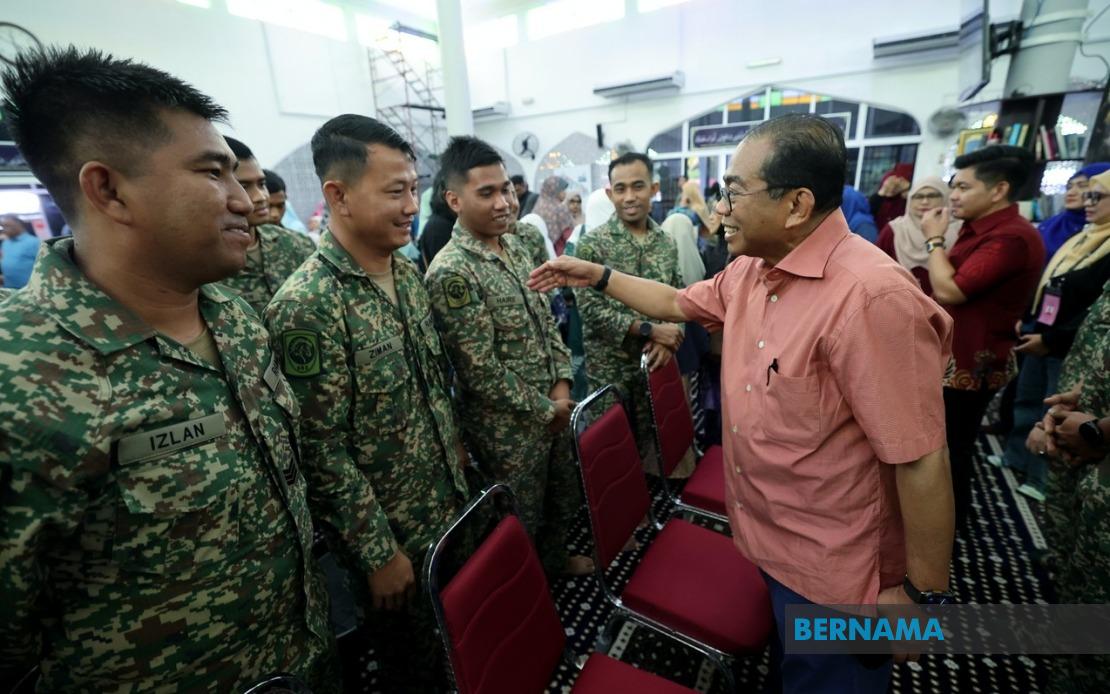
Malaysia's Defence Ministry is bracing to receive critical findings from an investigation into a deadly grenade explosion at Hobart Camp in Gurun next month, Defence Minister Datuk Seri Mohamed Khaled Nordin confirmed on July 5. The probe, which examines circumstances surrounding the June 16 incident that claimed the lives of two soldiers, is being finalised and submission to the ministry is pencilled for mid-July, after which further action will be determined. Speaking at the 'Ilmu dan Muafakat' (PIKAT) community programme in Felda Air Tawar 2, Kota Tinggi, Mohamed Khaled indicated that the ministry stands ready to receive the findings and will move swiftly to implement any necessary changes.
The explosion occurred at approximately 10.57 am on June 16 during a routine training exercise, involving two personnel who suffered catastrophic injuries. Corporal Norazmi Abu Bakar, attached to the Sixth Battalion, Royal Malay Regiment (RAMD), and Private Siti Khadijah Sungip of the First Squadron, Royal Engineers Regiment (RAJD), sustained severe blast wounds that necessitated immediate evacuation. Both were rushed to Sultan Abdul Halim Hospital in Sungai Petani, but tragically were pronounced dead while en route, making this one of the deadliest single incidents at a Malaysian military training facility in recent years.
The significance of this tragedy extends beyond the immediate loss of life. The incident has triggered alarm within the defence establishment about training methodologies and safety protocols that have underpinned military instruction for decades. Mohamed Khaled's statements indicate recognition that systemic review is warranted, particularly given that Hobart Camp has proven problematic. The minister acknowledged that the Malaysian Army has been directed to undertake a comprehensive examination of its training approach, suggesting that procedural gaps may have contributed to the fatalities.
The pattern of incidents at the same facility compounds concerns about training standards. Merely thirteen days after the grenade explosion, on June 29, another accident occurred during a combat enhancement training (LPT) exercise when a firearm discharged unexpectedly. Sergeant Mohamad Firdaus Che Shaharudin and Corporal Felix Franchis, both of the Fourth Battalion, Royal Ranger Regiment (4 RRD), sustained leg injuries after being struck by shrapnel from the discharge at approximately 6.15 pm. While these injuries proved less severe than those sustained in the earlier incident, the clustering of two separate weapons-related accidents at the same location within a fortnight raises troubling questions about whether the camp's training environment had become dangerously compromised.
Mohamed Khaled's public commitment to determine whether "other shortcomings or weaknesses" exist signals that the ministry is taking a methodical rather than defensive approach to the investigation. The minister indicated that no administrative decisions would be made precipitously, but rather would follow a careful assessment of the investigation's conclusions. This measured stance suggests the findings may implicate broader systemic issues rather than attributing the incidents solely to individual error or negligence, a revelation that could necessitate widespread reforms.
For Malaysia's military establishment, the stakes of this investigation extend beyond Hobart Camp. The defence force maintains rigorous training standards across multiple facilities nationwide, and any findings suggesting systemic safety lapses could trigger cascading reviews at other installations. The Malaysian Army in particular, as the nation's largest service branch with extensive training commitments, faces pressure to demonstrate that its personnel are receiving instruction in environments meeting contemporary safety benchmarks.
The timing of the investigation's completion carries political and institutional weight. A mid-July submission means that preliminary findings could inform policy discussions and potentially remedial actions within weeks rather than months. For bereaved families of Norazmi and Siti Khadijah, the investigation represents an opportunity for accountability and understanding of how preventable failures may have contributed to their loss. For the military institution, it represents a critical juncture for demonstrating responsiveness to safety concerns.
The broader context of training safety in Southeast Asia adds urgency to Malaysia's review process. Regional militaries have increasingly faced scrutiny over training-related fatalities and injuries, with public and political expectations rising for transparent investigations and substantive reforms. Malaysia's handling of the Hobart Camp incidents will be closely observed not only domestically but by military counterparts across the region grappling with similar challenges.
Mohamed Khaled's assurance that the ministry would update stakeholders following receipt of the report indicates an intention toward transparency, though the scope and nature of public disclosure remains unclear. For Malaysian defence analysts and military affairs observers, the investigation findings may reveal whether the incidents resulted from inadequate equipment maintenance, insufficient safety briefings, procedural oversights, or training design flaws. Each possibility suggests different remedial pathways, from immediate hardware upgrades to comprehensive retraining of instructional personnel.
The suspension or modification of certain training exercises at Hobart Camp may already be underway, though this has not been publicly confirmed. The presence of two accidents in rapid succession suggests either that pre-existing hazards were not adequately controlled or that the camp's environment deteriorated suddenly. Either scenario demands urgent clarification and correction to prevent further tragedy.
For military families and recruits, confidence in training environments depends fundamentally on evidence that institutions take safety seriously and respond decisively when incidents occur. The Defence Ministry's commitment to receiving, deliberating, and acting upon investigation findings within a defined timeframe provides a framework for restoring that confidence, assuming the process yields substantive reforms and accountability measures.
As the investigation nears completion, the Malaysian defence establishment faces a defining moment in demonstrating whether it can absorb difficult truths about its operational shortcomings and implement meaningful change. The mid-July deadline provides a concrete marker against which the ministry's commitment to this process can be measured, and the quality and speed of subsequent action will speak volumes about institutional priorities regarding soldier safety.

